



The Mistake: Treating It Like a Suit Jacket
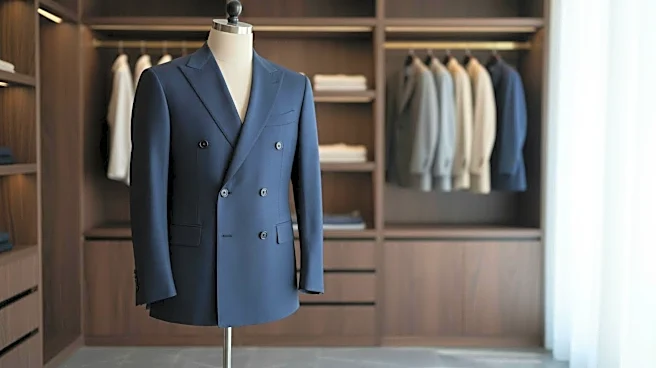
The single biggest error is grabbing a suit jacket and trying to style it as a blazer. They aren't the same. A suit jacket is designed to be worn with matching trousers; its fabric is often finer, and its structure more formal. When you wear it separately,
it often looks orphaned and incomplete. A true blazer or sport coat is designed as a standalone piece. It typically features different fabrics (like hopsack, flannel, or linen), a slightly more relaxed structure, and details like contrasting buttons that make it a perfect partner for jeans, chinos, or wool trousers. The fix is simple: invest in a dedicated navy blazer. It’s the most versatile piece in menswear for a reason.
The Pitfall: Creating Too Much Bulk
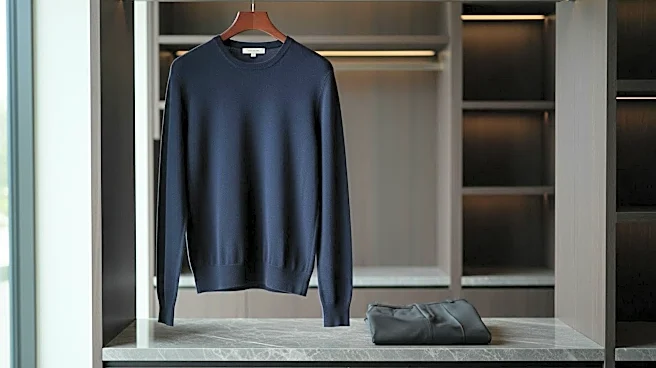
Layering is for warmth and visual interest, but it's easy to go from 'stylish' to 'stuffed.' A common mistake is trying to force a thick, chunky knit sweater or a heavy hoodie under a slim, tailored blazer. The result is a restricted, bunched-up look that ruins the silhouette of the jacket. The key is to use thin, high-quality layers. A merino wool crewneck, a fine-gauge turtleneck, or a cashmere cardigan provides warmth without adding volume. If you want to layer with a hoodie, which can be a great high-low style move, make sure it’s a slim-fit version and the blazer is unstructured and relaxed to accommodate it. Stacking bulk on bulk is a guaranteed way to look uncomfortable.
The Blunder: Ignoring Proportions
An outfit’s success often hinges on proportion. A frequent misstep is wearing a base layer, like an untucked shirt, that hangs significantly lower than the hem of the blazer. This visually cuts you in half and creates a sloppy, unbalanced line. Each layer should ideally flow cleanly from the one above it. As a general guideline, the outermost layer should be the longest. Your t-shirt or button-down should be tucked in or, if untucked, end around your hip, allowing the blazer to be the dominant silhouette. This principle applies to outerwear, too; if you're layering a coat over a blazer, the coat should be long enough to cover the jacket completely to avoid an awkward visual break.
The Foul: Clashing Formality Levels
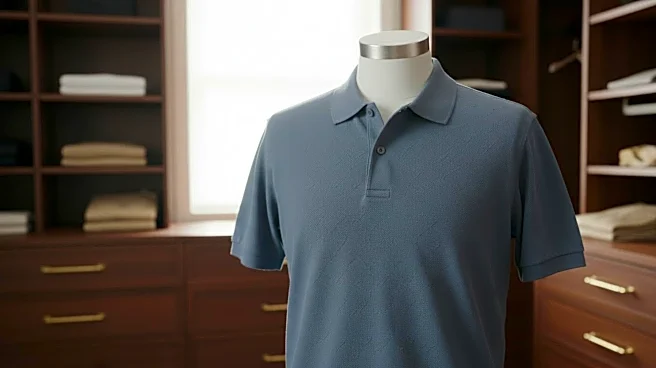
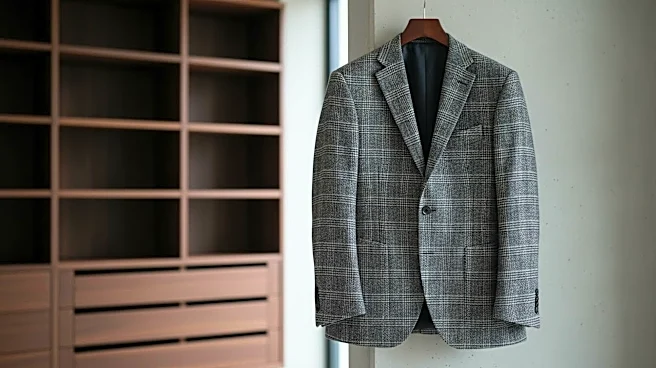
A blazer is a master of bridging formal and casual, but it can’t perform miracles. Pairing a highly structured, double-breasted blazer with ripped jeans and a graphic tee creates a level of visual confusion. Similarly, a very formal silk tie will look out of place with a casual, unstructured tweed sport coat. The trick is to ensure your layers exist in the same general world of formality. If you're wearing a sharp, formal blazer, keep the underpinnings clean, like a crisp dress shirt or a fine-gauge knit. If your blazer is more casual—think unstructured cotton or linen—it will pair naturally with a high-quality polo, a Henley, or even a clean, well-fitting t-shirt. The goal is a cohesive look, not an outfit at war with itself.
The Slip-Up: Forgetting About Texture
Great layering isn't just about color; it's a masterclass in texture. An outfit where every layer is made of the same flat, smooth cotton can feel one-dimensional. The mistake isn't that it looks bad, but that it misses a huge opportunity. Introducing varied textures adds depth and sophistication. Think about pairing the smooth weave of a blazer with the ribbing of a knit sweater, the soft texture of a brushed cotton shirt, or the open knit of a polo. Even a simple pairing like a wool blazer over a denim shirt works because of the textural contrast. You don’t need to go overboard with competing patterns, but ensuring your layers have different tactile qualities will instantly make your outfit more interesting and intentional.