





The Baggage of the Linen Suit
Before its modern renaissance, the linen suit carried a specific, and not always flattering, set of connotations. It was the uniform of the Southern lawyer in a stuffy courtroom, the slightly disheveled colonial administrator, or the tourist trying a little
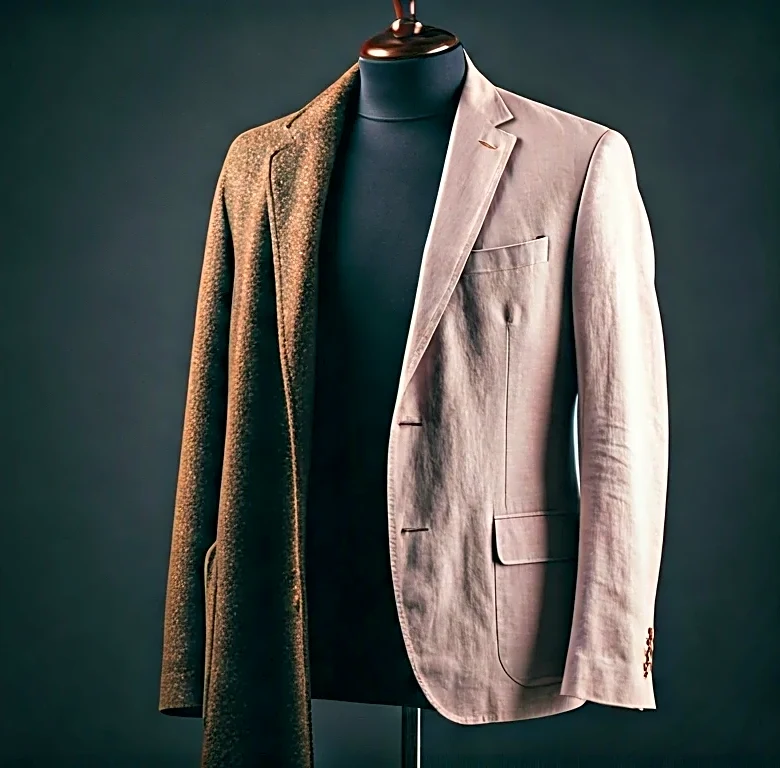
too hard on a Caribbean cruise. Made from the fibers of the flax plant, linen is one of humanity’s oldest and most breathable textiles—an undisputed champion in sweltering humidity. Yet its fatal flaw was also its defining characteristic: it wrinkles if you so much as look at it. This tendency to crease made it seem inherently informal, even sloppy. In a world of crisp, worsted wool power suits, linen was the relaxed, slightly unkempt cousin you only invited to the beach. It was vacation-wear, a seasonal novelty, but certainly not a ‘serious’ piece of tailoring you’d build a wardrobe around. Investing in a linen suit felt like investing in a sandcastle—beautiful for a moment, but ultimately transient and destined to fall apart.
The Florentine Runway
Enter Pitti Uomo. Held twice a year in Florence, Italy, it’s officially a menswear trade show where brands and buyers connect. Unofficially, it’s the global epicenter of men's style and the world’s most important outdoor runway. The real show isn’t inside the exhibition halls; it’s in the courtyard, where attendees—buyers, editors, designers, and influencers—gather in their finest tailoring. Starting in the late 2000s, the rise of street style photography, pioneered by figures like Scott Schuman of The Sartorialist, turned the cameras away from the catwalks and onto these men. Suddenly, their carefully assembled outfits were being beamed across the globe, setting trends in real-time. The men of Pitti, known for their peacocking flair, became the new style icons. And in the oppressive heat of a Florentine June, they overwhelmingly reached for one fabric: linen.
The Gospel of ‘Sprezzatura’
The secret ingredient that transformed linen’s image at Pitti was a single, untranslatable Italian concept: *sprezzatura*. Coined in the 16th century, it means a kind of studied nonchalance, the art of making the difficult look easy. It’s appearing impeccably stylish without looking like you tried at all. The men at Pitti didn’t fight the linen suit’s wrinkles; they leaned into them. They demonstrated that a few creases weren't a sign of sloppiness but of life being lived. A rumpled sleeve wasn't a flaw; it was evidence of a gesticulating hand in an animated conversation over an espresso. Paired with an unbuttoned shirt, perfectly scuffed loafers (no socks, of course), and a confident attitude, the wrinkles became part of the charm. Pitti taught the world that true style wasn't about pristine perfection, but about an effortless, comfortable elegance. The linen suit was the perfect vehicle for this philosophy.
From Trend to Tailored Investment
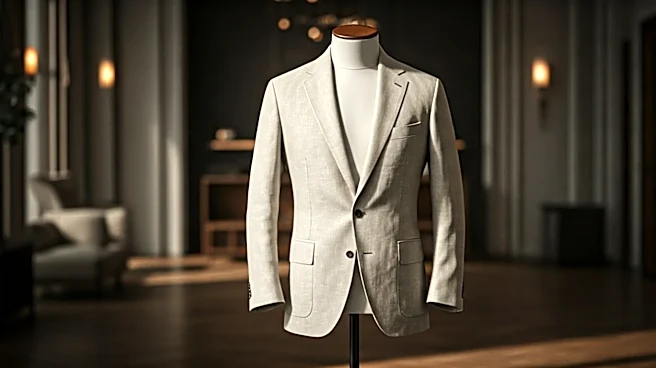
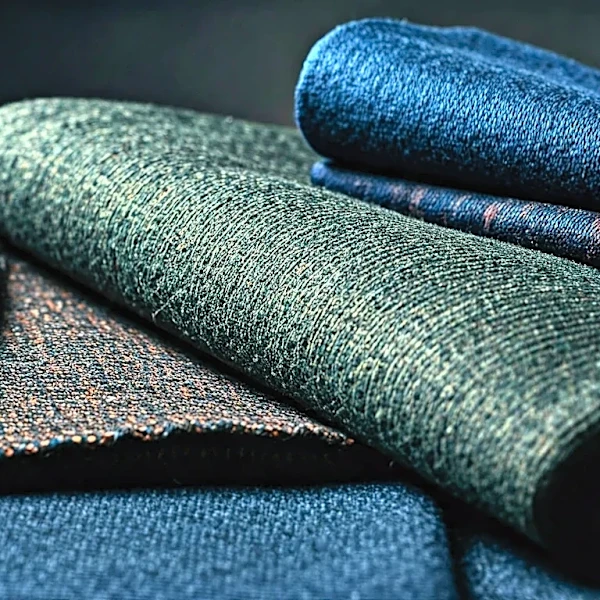
As images of these stylish men in their perfectly imperfect linen suits flooded the internet, demand surged. Brands and tailors took notice. The Pitti effect didn't just make linen popular; it made it better. Designers began creating linen suits with more sophisticated silhouettes—soft, Neapolitan shoulders, higher armholes, and a flattering drape that looked sharp even with some creasing. Fabric mills developed innovative blends, mixing linen with wool, silk, or cotton to give the material more structure and wrinkle-resistance without sacrificing its breezy quality. The styling also evolved. The Pitti look showed that a tan linen suit could be broken up—the jacket worn with gray trousers, the trousers with a knit polo. It wasn't just a suit; it was a versatile set of separates. This new combination of improved construction, refined fabric, and styling versatility is what finally elevated the linen suit from a seasonal indulgence to a true wardrobe investment—a piece as essential as a navy blazer or a pair of dark denim.