




The DC Dress Code Paradox
Washington, D.C. operates on a unique style frequency. On one hand, it’s a city of tradition, where professional attire for men and women often defaults to dark suits and sensible shoes. On the other, it’s a modern metropolis where young professionals
want to express personal style. This creates a paradox. While a fashion-forward piece might work in New York or Los Angeles, in D.C., it can read as unprofessional or out of touch. The city’s professional dress code, even when 'business casual,' is stricter and more formal than in many other places. The challenge isn't just about looking good; it's about looking like you belong, understand the unspoken rules, and respect the environment you're in. This is where many first-time shoppers stumble, buying clothes that are stylish but not 'D.C. stylish.'
Trip-Up #1: Mistaking 'Inspired' for 'Appropriate'
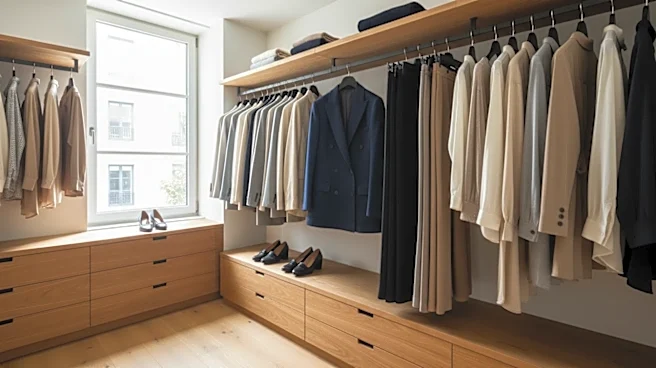
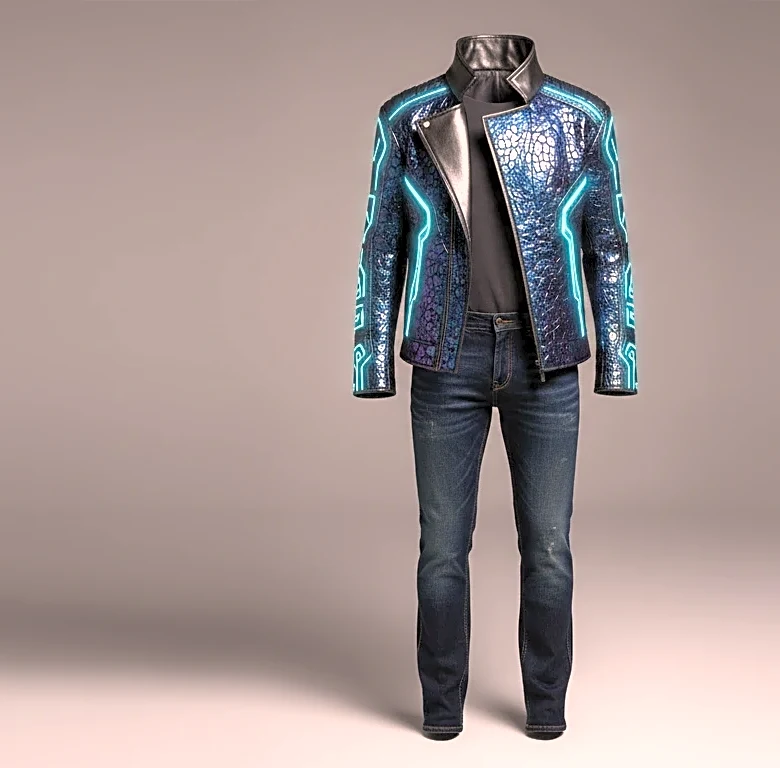
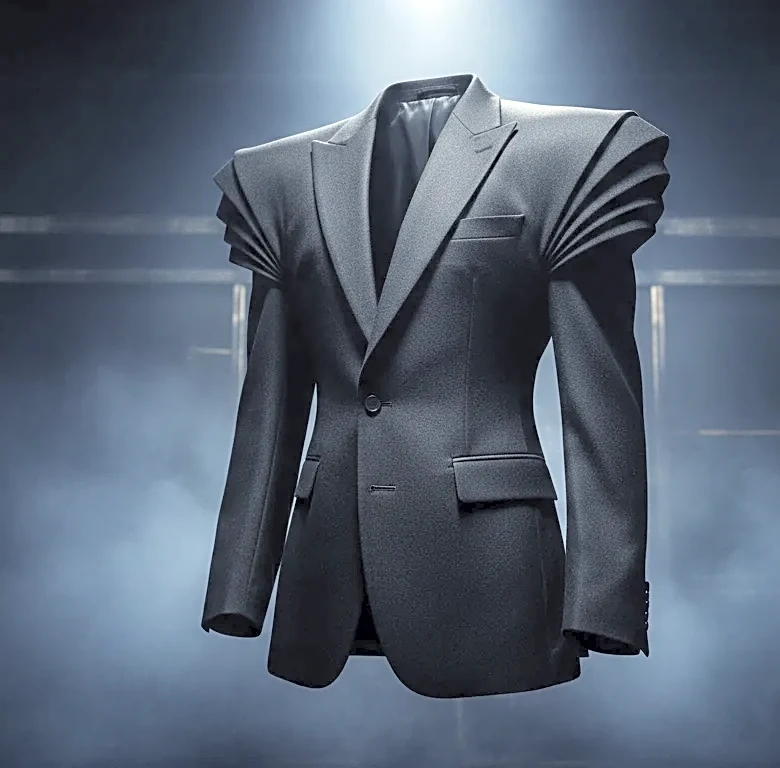
The term 'designer-inspired' is where the trouble often begins. For fast-fashion brands, this can mean replicating a runway look’s most dramatic features—a bold cut, an avant-garde silhouette, or a loud print. But in D.C., the elements of designer wear worth emulating are quality, fabric, and timeless tailoring, not fleeting trends. A junior staffer showing up to a Capitol Hill office in a fluorescent blazer or a deconstructed top, no matter how trendy, is sending the wrong signal. In this city, power is communicated through understatement. The goal is to let your work speak for itself, not your outfit. Professionals here invest in classic, versatile pieces that convey competence and polish. A well-fitted navy blazer, a crisp button-down shirt, and tailored trousers are the true power players in a D.C. wardrobe.
Trip-Up #2: The Context-Blind Wardrobe
Not all D.C. offices are created equal. A common mistake is failing to understand the micro-cultures of the city's professional landscape. The dress code on Capitol Hill, with its emphasis on formal business attire, is vastly different from that of a creative agency in Shaw or a tech non-profit near Dupont Circle. Hill staffers often keep a blazer at their desk to be ready for an impromptu meeting or a vote. Meanwhile, K Street lobbyists might opt for high-end, impeccably tailored suits that whisper wealth and influence. A first-time shopper building a wardrobe needs to think about where they'll be spending their time. Researching the specific office culture is crucial. When in doubt, the safest bet is to dress slightly more formally and observe what senior colleagues are wearing.
Trip-Up #3: Ignoring the Fit and Fabric Test
Many designer-inspired pieces are produced cheaply to keep costs down. This often results in poor fit and flimsy fabrics that wrinkle, pill, or become transparent under office lighting. In a city where long days are the norm—involving walking across campus, sitting through lengthy hearings, and attending evening networking events—comfort and durability are non-negotiable. A poorly fitting garment, no matter how stylish, looks sloppy. A cheap polyester dress that doesn't breathe will be a nightmare by midday. Successful D.C. professionals learn to prioritize quality over quantity, investing in well-constructed pieces made from natural fabrics like wool, cotton, and silk. Tailoring is also a widely used secret weapon to make good clothes look great.
Trip-Up #4: Over-Accessorizing Power
Accessories are a way to inject personality, but in D.C., less is almost always more. Flashy, oversized, or noisy jewelry can be distracting and undermine a professional image. The D.C. approach to accessories favors quiet luxury and timelessness: a classic watch, simple pearl or diamond stud earrings, or an elegant scarf. The goal is to complement an outfit, not dominate it. Even on 'Casual Fridays,' which can be notoriously hard to navigate, the expectation is polished and put-together, not an invitation for weekend clubwear. A professional's attire should project an image of someone who is serious, capable, and ready for any task—a message that can be easily diluted by accessories that are too loud or trendy.