
The Shot Heard 'Round the Folk World
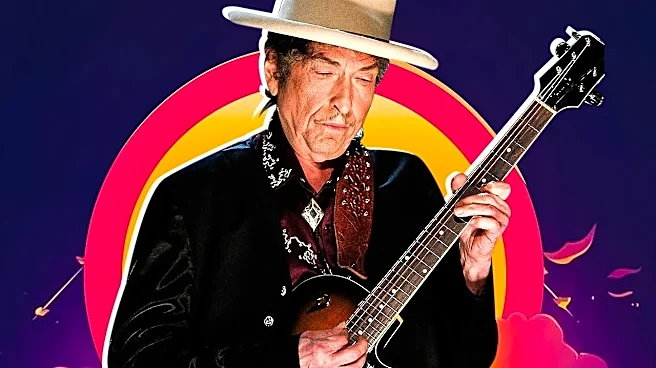
July 25, 1965. The Newport Folk Festival was the high church of the American folk revival, a movement that prized acoustic purity, tradition, and earnest political protest. Bob Dylan, after two triumphant years at the festival, was its reluctant prophet.
But this time, he walked on stage not with his familiar acoustic guitar, but with a Fender Stratocaster and a full rock band. The sonic blast that followed—a snarling version of "Maggie's Farm"—was a declaration of independence. The reaction was immediate and polarized: a chaotic mix of cheers, confusion, and a chorus of boos that would echo for decades. After just three electric songs, Dylan and the band left the stage, leaving a dazed and divided audience in their wake.
A Betrayal, a Bad Mix, or Both?
The simple story is that folk purists felt betrayed. To them, the electric guitar wasn't just an instrument; it was a symbol of soulless commercialism, the very thing the folk movement defined itself against. Dylan, their champion of authenticity, had seemingly sold out. However, the reality on the ground was murkier. Many attendees, including musicians who were present, have argued the booing was directed at the terrible sound quality, which drowned out Dylan's important lyrics, or the shockingly short 15-minute set. Even folk patriarch Pete Seeger, who legend says wanted to cut the power cable with an axe, later clarified he was furious that the distorted sound was ruining the song. He insisted he wasn't against Dylan going electric, pointing out that bluesman Howlin' Wolf had played an electric set the day before.
The Myth Machine Takes Over
Whatever the true cause of the jeers, the narrative of "Dylan the traitor" was simply too good to let facts get in the way. The performance became a cultural shorthand, a line in the sand. You were either with the folk purists or with the rock and roll revolutionaries. Documentaries like Martin Scorsese’s "No Direction Home" cemented the dramatic version of events in the public consciousness. The story's power lies in its simplicity: a visionary artist confronting a luddite crowd. The controversy followed Dylan on his subsequent tour, where an audience member in Manchester, England, famously shouted "Judas!" before Dylan instructed his band to "play fucking loud." The legend of Newport wasn't just about what happened; it was about the battle lines it drew.
More Than Music: A Cultural Turning Point
Ultimately, the Newport '65 performance became bigger than Dylan because it perfectly symbolized a massive cultural shift. It was the moment rock and roll, previously seen as teenage fluff, proved it could have the lyrical depth and seriousness of folk music. Dylan dragged the folk movement "screaming, into pop," and in doing so, opened the door for The Beatles, The Rolling Stones, and countless others to create more ambitious, complex work. The event marked a turning point where the earnest, acoustic, community-focused idealism of the early '60s gave way to the louder, more individualistic, and chaotic energy that would define the rest of the decade. Dylan's electric guitar wasn't just an instrument of musical change, but a harbinger of a social one.