


Decoding the Clubhouse Dress Code
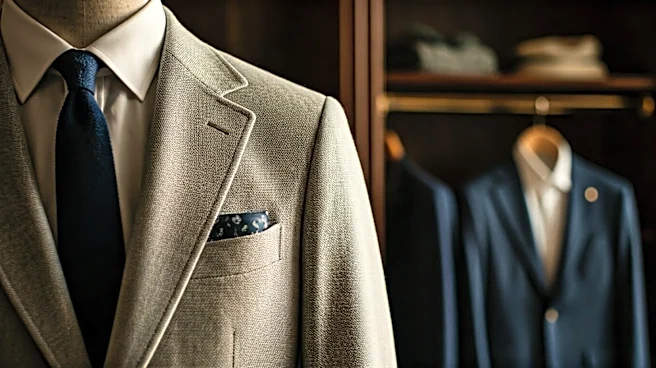
For premier events like the Wimbledon Championships, an invitation to the Royal Box comes with sartorial rules steeped in tradition. While general admission is smart casual, the Royal Box requires a more formal approach. For gentlemen, a lounge suit or a blazer
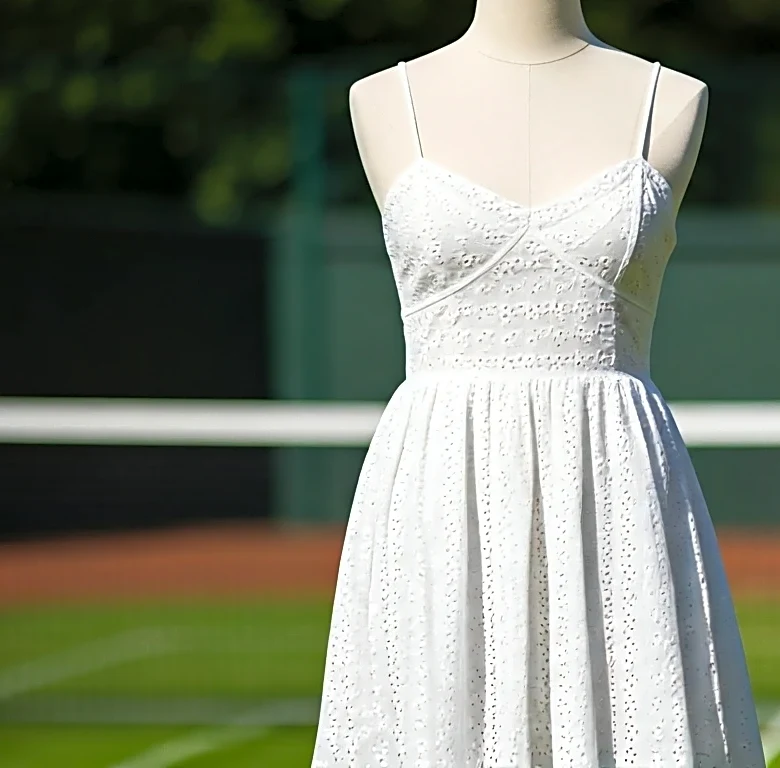
and tie are expected. For ladies, the directive is typically an elegant daytime dress or a sophisticated trouser suit. The goal is decorum and respect for the occasion, meaning your attire is as much a part of the spectacle as the event itself. This puts immense pressure on choosing the right garments, particularly the quintessential clubhouse blazer, which must be both stylish and compliant. Hats, for instance, are discouraged for women as they can obstruct the view of others. It’s a world of quiet luxury and considered details.
The 'Shade Sheerness' Phenomenon Explained
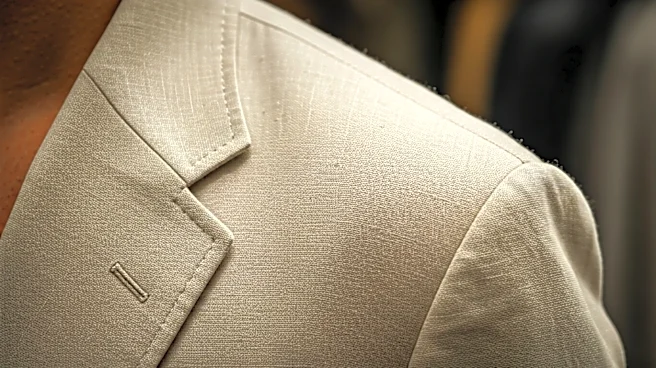
Herein lies the trap. You’ve selected a beautiful, lightweight blazer in a chic color. Indoors, it looks impeccable. But once you step into the bright, direct sunlight of a summer afternoon, a phenomenon I call 'shade sheerness' can occur. The fabric, which seemed solid, suddenly becomes translucent, revealing the silhouette of what you’re wearing underneath. This happens when the weave of a fabric is too open or the fibers are too thin. While not intentionally sheer like organza or mesh, lightweight summer materials can lack the density to remain fully opaque under intense light. Darker colors can be susceptible, but whites, creams, and pastels are especially notorious for this accidental reveal, turning a sophisticated statement into an unwelcome wardrobe malfunction.
Fabrics to Watch: The Usual Suspects
The very fabrics designed for summer comfort are often the primary culprits. Linen, beloved for its breathability, has a naturally open weave that is prone to sheerness, especially in lighter weights. Many lightweight cottons and seersuckers, also chosen to keep cool, can have the same issue. The construction of the blazer is another critical factor. Unlined or half-lined blazers are popular for summer as they reduce weight and increase airflow. However, that lack of a lining removes a crucial barrier against sheerness. While these fabrics are perfect for a casual beachside lunch, they require careful vetting before being worn at a formal event where every detail is scrutinized.
The Foolproof At-Home Fabric Test
So, how can you avoid this fashion faux pas? Before you even leave the house—or better yet, in the dressing room before you buy—perform a simple light test. Hold the fabric up to a bright light source. If you can clearly see the details of your hand or the texture of the wall behind it through the fabric, it's a candidate for shade sheerness. Another effective method is the phone flashlight test: place your phone's light inside the garment and see how much light escapes and how clearly you can see the phone's shape. Pay special attention to single-layer areas, like the sleeves or the back panel, as these are the most likely to become transparent.
Choosing a Fail-Safe and Expensive-Looking Blazer
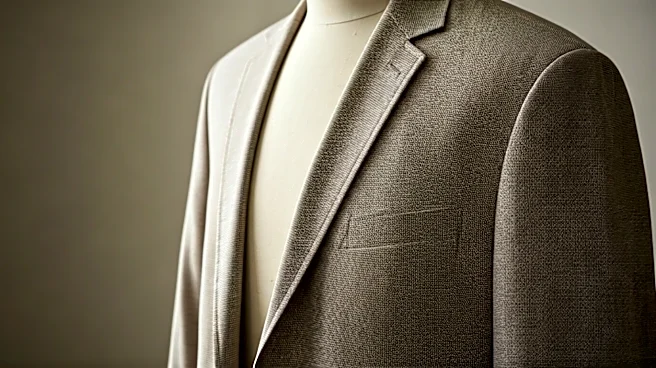
To ensure your blazer looks as good on a sunny terrace as it does indoors, prioritize fabric density and construction. Look for blazers that are fully lined; the extra layer provides a buffer against the sun. Fabric blends, such as a linen-cotton or silk-wool mix, can offer the breeziness of summer fabrics with added structure and opacity. Tightly woven fabrics like tropical wool or even some high-quality, dense cotton poplins are excellent choices. They provide a sharp, structured silhouette that reads as 'expensive' while ensuring complete coverage. These materials resist wrinkling better than pure linen and maintain a crisp, polished look throughout a long day of spectating, ensuring your style is memorable for all the right reasons.