





From Vehicle to Venue
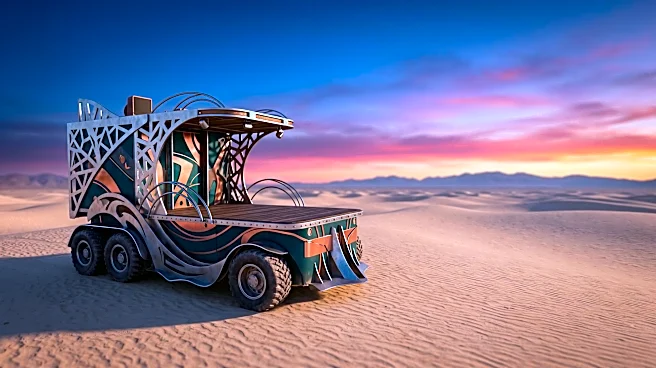
In the language of Burning Man, art cars are officially called "Mutant Vehicles," and the name is fitting. These creations must be so radically altered they no longer resemble their original form. Some are whimsical creatures, others are elaborate structures,
but they all serve as a way to navigate the vast, temporary city. Yet a fundamental divide exists between them. Some are essentially elaborate, motorized sculptures you look at or ride in. Others become something else entirely: a rolling venue, a gathering point, a stage that pulls a crowd wherever it goes. This transformation from a passive vehicle to an active performance space doesn't happen by accident. It hinges on a specific, powerful design philosophy.
The Power of the Platform
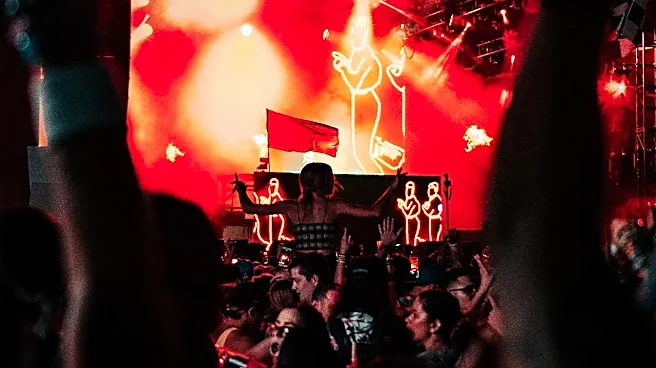
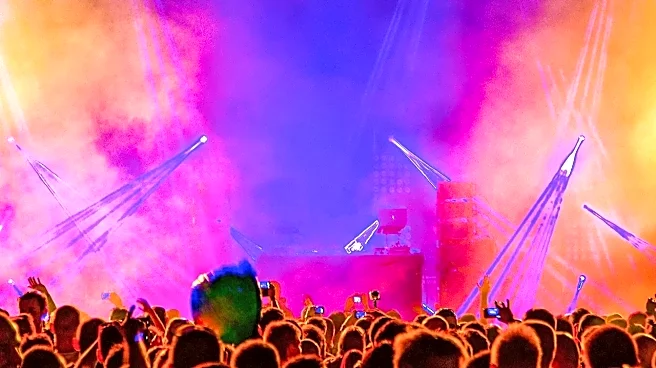
The single design choice that elevates an art car to a moving stage is the creation of an accessible, elevated, and outward-facing platform. It’s not just about adding a second story. It's a conscious decision to design the primary interactive space above the chassis, making it both a viewing deck and a performance area. This choice fundamentally changes the vehicle's social purpose. Instead of being an enclosed space for a select few, it becomes an open-air platform for DJs, dancers, and anyone who wants to climb aboard. Cars like the Mayan Warrior, a project celebrating Mexican culture, are built with the sole function of being a mobile performance stage. Its design isn't just about aesthetics; it's about providing an unconstrained platform for musicians and performers, complete with powerful sound systems and complex lighting rigs.
Designing for Social Interaction
An enclosed vehicle, no matter how beautifully decorated, creates a barrier. A flat, open platform, however, invites participation. It turns passengers into performers and onlookers into an audience. The simple act of raising the floor a few feet off the ground completely changes the dynamic. People on the platform can see and be seen, creating a focal point for energy. Many of the larger, more iconic art cars are designed explicitly as traveling sound stages. This approach fosters radical inclusion, a core principle of Burning Man. When an art car is easy to board and offers an open space, it becomes a gift to the community—a place to dance, connect, and experience a shared moment. The design encourages mingling and dissolves the distinction between the crew running the car and the participants enjoying it.
Icons of the Open-Air Playa
Many legendary art cars exemplify this principle. The Mayan Warrior, with its intricate design inspired by Mesoamerican art, is essentially a high-tech mobile concert venue that has hosted world-famous DJs. Similarly, art cars like the Abraxas dragon have long served as mobile music hubs on the playa. Even vehicles that aren't primarily music-focused benefit from this design. Duane Flatmo's famous fire-breathing octopus, El Pulpo Mecanico, was built on a van chassis, but its spectacle was designed to be viewed from all angles, creating a 360-degree performance. These vehicles aren't just passing by; they are destinations. They create a scene in the middle of the desert, drawing people in with light, sound, and an open invitation to join the party.