




It’s a Technique, Not Just a Style
The first and biggest misstep is thinking of layers as a specific, finished “look”—like the iconic ‘90s “Rachel” or today’s trendy butterfly cut. In reality, layering is a foundational haircutting technique, not a final style. A stylist uses layers to solve
problems: to remove weight from thick hair, create the illusion of fullness in fine hair, add movement, or enhance curl patterns. When you ask for “layers,” a stylist hears a request to use a specific tool. If you don't explain the problem you want to solve (e.g., “my hair feels heavy,” or “I can’t get any volume at the crown”), you’re leaving the interpretation entirely up to them. The result might be technically layered, but it may not be the solution you were hoping for.
The Volume Paradox
Many people ask for layers believing they are a universal ticket to bombshell volume. This is only half-true. The effect of layers on volume is entirely dependent on your hair type and the kind of layers used. For those with thick, heavy hair, layers can remove bulk, making the hair feel lighter and appear more voluminous because it’s no longer weighed down. However, for people with fine or thin hair, the wrong kind of layering—too many, too short, or too aggressive—can remove what little bulk exists, making ends appear stringy and the overall style look thinner. For fine hair, subtle, strategically placed “invisible” or “internal” layers can create lift at the root and texture throughout the hair, building volume where it’s needed without sacrificing density.
An Inspiration Photo Isn't Enough
Walking into a salon with a photo of a celebrity’s hair is a classic move, but it often backfires with layered cuts. A picture can’t communicate your hair’s texture, density, or your daily routine. A stylist can replicate the cut, but they can’t give you the celebrity's hair type, face shape, or the team of professionals who styled it for the photo. The key to getting the cut you want is to use the photo as a starting point for a conversation. Talk about what you like in the photo—is it the face-framing pieces, the overall movement, or the texture? A good stylist will then translate that desired feeling into a cut that works for your unique hair, suggesting adjustments based on whether your hair is fine, curly, thick, or straight.
All Layers Are Not Created Equal
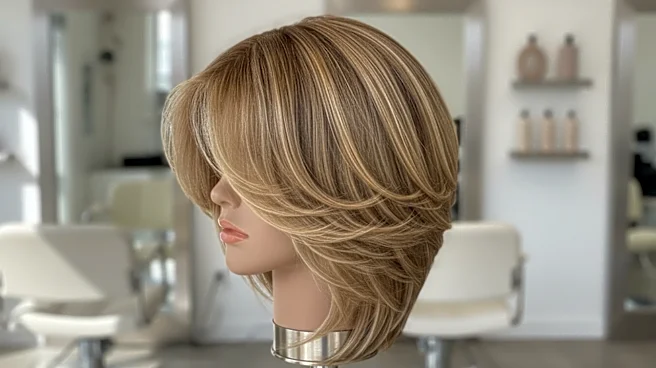
There isn't just one type of layer. There are long, flowing layers that add subtle movement; short, choppy layers that create texture and volume; face-framing layers that soften features; and graduated layers that build a defined shape. A “butterfly cut” features shorter layers on top to mimic the look of shorter hair while keeping length, while a “shag” uses disconnected layers for a rock-and-roll edge. The language matters. Asking for “soft, blended long layers that start below the chin” is much more effective than just saying “I want layers.” Understanding that different techniques produce wildly different results is crucial. This is where consulting with your stylist is key; they can explain how a certain type of layer will behave on your specific hair type and help you choose the one that aligns with your maintenance level and styling habits.