



The Foundation Is the Professional Cut
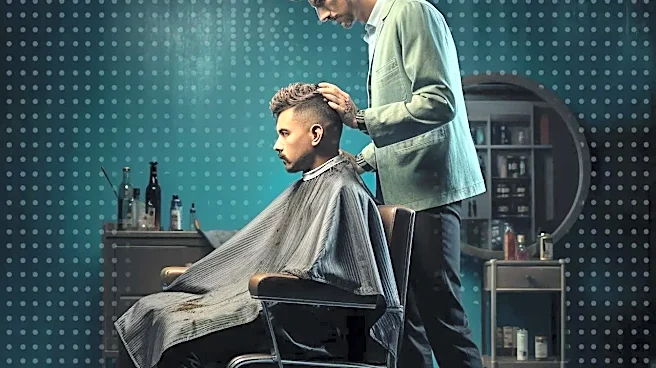
The secret to a great crew cut isn't just taking clippers to your head; it’s about structure. A professional barber doesn't just shorten the hair; they shape it to your head and features. The classic crew cut features hair that is buzzed tightly on the sides
and back, gradually fading to a slightly longer length on top, often no more than an inch. This graduation is key—it prevents the dreaded “tennis ball” look and ensures the style grows out evenly. When you’re in the chair, communication is crucial. Discuss the guard numbers you prefer for the sides (a #1 or #2 is common) and the desired length on top. This initial, well-executed cut is the foundation upon which your entire maintenance routine is built. Without a good shape to start, your at-home efforts will be an uphill battle.
Your Scalp Is Now the Main Event
With hair this short, your scalp is suddenly on display. Its health directly impacts the look of your cut. The first rule is protection. With less hair to shield it, your scalp is highly susceptible to sun damage. A daily application of sunscreen with at least SPF 30 is non-negotiable. Look for lightweight, non-greasy formulas designed for the scalp or face to avoid a shiny, oily finish. Beyond sun protection, proper cleansing is vital. Natural oils can make short hair look greasy faster, so you may need to wash your hair more frequently. Use a gentle shampoo that cleanses without stripping your scalp, and don't be afraid to use a conditioner to keep the skin hydrated and healthy. Some experts even recommend scalp masks or exfoliating treatments to remove buildup and promote healthy follicles.
The Weekly At-Home Tune-Up
A sharp crew cut can start to lose its edge in as little as a week. Most men notice visible growth within 10 to 14 days, blurring those clean lines. This is where at-home maintenance becomes your secret weapon. Investing in a quality set of clippers with multiple guard attachments is essential. Your primary task is not to recut your hair, but to clean up the perimeter. Use a detail trimmer to carefully edge the neckline and the area around your ears. A soft bristle brush can help keep fades looking blended and neat. For the clippers themselves, maintenance is key. Brush away hair after every use and apply blade oil regularly to keep them lubricated and sharp, ensuring a clean cut every time.
Finding Your Barber Visit Cadence
While at-home trims can extend the life of your cut, nothing replaces a professional reshaping. So, how often should you go back? The consensus for maintaining a sharp crew cut is every two to four weeks. If you have a very short fade, you may find that a two-week interval is necessary to keep the transition crisp. If your style has a bit more length on top, you might be able to stretch it to three or four weeks. Pay attention to how your hair grows. When the shape starts to become rounded, the fade loses its definition, or your at-home touch-ups no longer suffice, it’s time to book an appointment. Consistency is what separates a decent haircut from a signature style.
Styling Products Still Have a Role
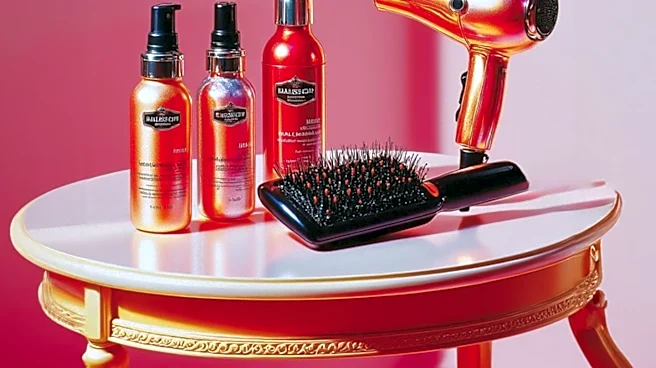
Just because your hair is short doesn't mean styling products are irrelevant. While you can certainly get away with none, a small amount of the right product can elevate the look. The goal isn't heavy hold; it's texture and finish. A light-hold pomade or a matte paste can add definition and a bit of separation to the hair on top, giving it a more polished, intentional look. A cream pomade can provide a subtle, healthy shine, while a matte paste is ideal for a natural, no-product finish. Apply a very small amount to your fingertips, warm it between your hands, and work it through the top. This simple step can tame frizz and give your crew cut a finished, professional appearance.