


The Unsung Hero in Your Lip Balm
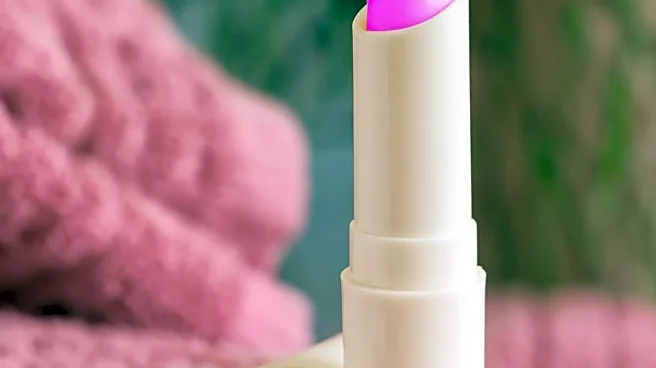
When you pick up an SPF lip product, you’re likely focused on the sun protection factor. But the unsung hero of that tube is its base—the combination of ingredients that carries the active sunscreens. These formulas are typically a blend of oils and waxes.
A product is considered “wax-heavy” when waxes like beeswax, carnauba, or candelilla appear high on the ingredient list. This isn’t just for texture; the ratio of wax to oil is critical for performance. While oils provide moisture and a smooth glide, waxes provide structure, stability, and, most importantly, staying power.
Why Wax Is Your SPF’s Best Friend
The skin on your lips is thinner and has less melanin than the rest of your skin, making it especially vulnerable to sun damage. This is where a waxy base becomes essential. Waxes are occlusive, meaning they form a physical barrier on the lip surface. This barrier does two crucial things for sun protection. First, it helps prevent the active SPF ingredients, whether mineral (like zinc oxide) or chemical (like avobenzone), from being wiped away. Second, this film-forming quality provides a more stable, even layer of protection across the delicate surface of the lips, which is constantly moving as you talk, eat, and drink.
The Sticking Point: Adhesion and Longevity
The primary job of a wax-heavy base is to improve what cosmetic chemists call “substantivity”—how long a product adheres to the skin. A glossy, oily lip product might feel pleasant initially, but it can slide off quickly, taking its sun protection with it. High-gloss products without SPF can even act like a magnifying glass for UV rays. A formula with a higher wax content, however, is designed to cling to the lips. This creates a more durable and water-resistant shield that stands up better to light sipping or sweating, meaning your SPF is working for longer between applications. This is why reapplication is always key, but a waxy base gives you a much better starting point.
Are There Any Downsides to a Waxy Balm?
While a higher wax content boosts performance, it can affect the cosmetic feel of a product. An extremely wax-heavy formula might feel stiff or drag during application, especially in colder weather. It’s all about finding a balance that provides staying power without feeling uncomfortably thick or heavy. For most people, this is a minor trade-off for more reliable protection. Some may worry about waxes clogging pores around the mouth, but this is generally not a major concern on the lips themselves, which lack the same oil glands as facial skin. The key is to find a well-formulated product that feels comfortable enough for you to use consistently.
Reading the Label: What to Look For
To find a durable SPF lip balm, turn it over and read the ingredients. Look for a broad-spectrum SPF of 30 or higher, as recommended by dermatologists. Then, scan the first few ingredients. If you see beeswax (cera alba), candelilla wax, or carnauba wax listed near the top, it’s a good sign the product is built for longevity. These waxes help create that essential protective barrier that locks in moisture while holding the sunscreen filters in place. While a blend of oils and butters is great for hydration, a solid wax backbone ensures your sun protection doesn't vanish after your first sip of coffee.