
The Shoeless Status Symbol
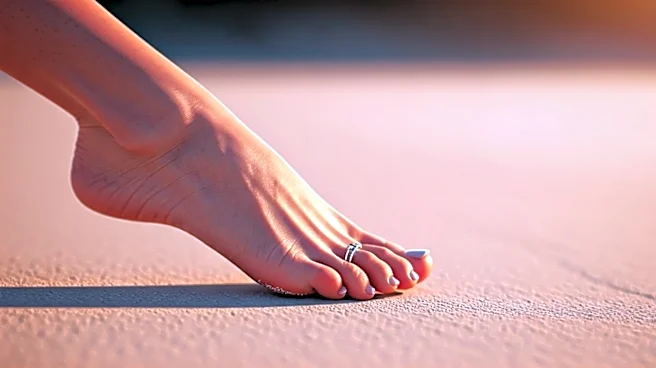
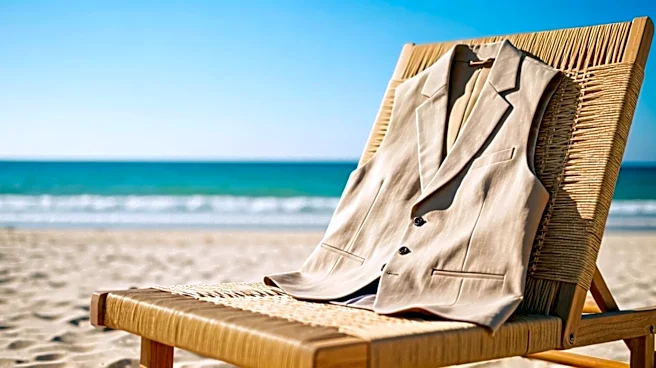
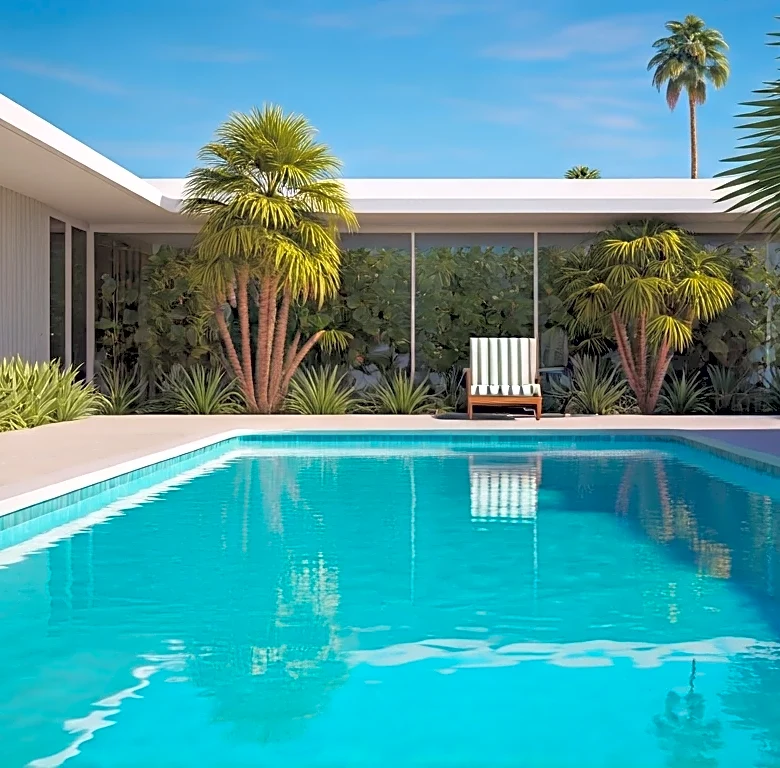
Let’s be clear: this isn't about the grimy reality of walking barefoot through a city park. The new barefoot aesthetic is specific, aspirational, and deeply rooted in a particular vision of wealth. It’s the look of someone on a pristine private beach,
the freshly swept deck of a superyacht, or the cool stone floors of a secluded villa in Tuscany. It telegraphs a lifestyle so rarified and protected that shoes become a mere suggestion, not a necessity. In this context, the absence of footwear isn't a sign of being unprepared; it's a sign that your environment is so perfect, so clean, and so completely your own that you don’t need the protection of a sole. It’s a flex, suggesting you’ve transcended the need for practical considerations that govern the rest of us.
From Runway to Reality
While beach culture has always embraced shoelessness, its journey into the high-fashion canon can be traced to a few key tastemakers. Brands like The Row, helmed by Mary-Kate and Ashley Olsen, have been pivotal. Their minimalist, almost monastic collections often feature models walking in delicate slippers or, at times, what appears to be nothing at all. This choice strips the look down to its purest form, focusing on silhouette and fabric. Similarly, Simon Porte Jacquemus has built an empire on the fantasy of a perpetual French-Mediterranean summer, where models walk on sand-covered runways in barely-there sandals or simply barefoot. These influential designers didn't just sell clothes; they sold an idyllic, sun-drenched lifestyle where the ultimate luxury is ease. The barefoot look became shorthand for this entire fantasy, a styling trick quickly adopted by fashion magazines for their annual resort and travel issues.
The 'Quiet Luxury' Connection
The barefoot trend is a natural extension of the “quiet luxury” or “stealth wealth” movement that has dominated recent fashion discourse. As a reaction against flashy logos and conspicuous consumption, quiet luxury prioritizes impeccable quality, timeless silhouettes, and an understated aesthetic. What could be more understated than no accessory at all? Foregoing a pair of statement heels or designer slides in favor of bare feet is the ultimate rejection of brand-led status. It shifts the focus from what you’re wearing to where you are and how you live. The message is no longer, “Look at my expensive shoes,” but rather, “Look at my life, which is so luxurious I don’t even need shoes.” It’s a power move that relies on context and environment over a physical product, making it perhaps the most exclusive trend of all.
The Practical Interpretation
Of course, for most people, going completely barefoot isn't practical. This has given rise to a parallel trend: “barely-there” footwear. Think of the mesh flats that have taken over, offering a sheer, sock-like covering that gives the illusion of a bare foot. Delicate, strappy leather sandals, minimalist flip-flops, and woven fisherman sandals all play into the same aesthetic. They provide a modicum of protection while maintaining the overall vibe of effortless, unencumbered style. These options bridge the gap between the editorial fantasy and everyday life, allowing a wider audience to buy into the look. They prove that the spirit of the barefoot trend is less about the literal absence of shoes and more about embracing a feeling of lightness, freedom, and an intimate connection to one’s surroundings.