





The Runway Illusion: Built for a Different Scale
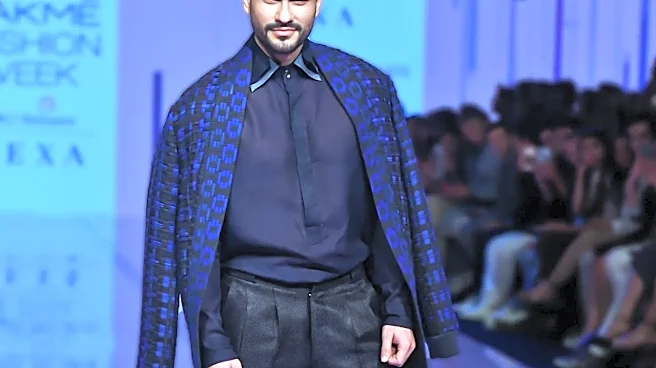
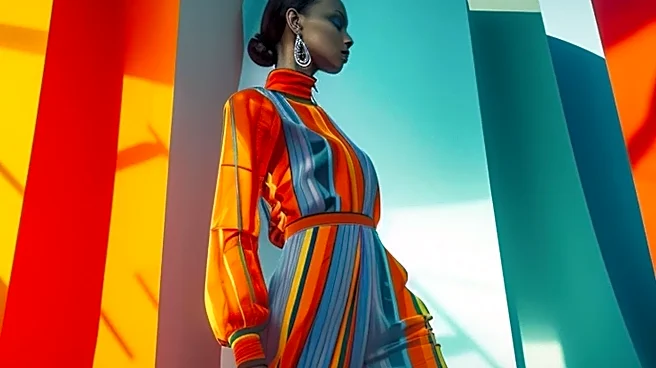
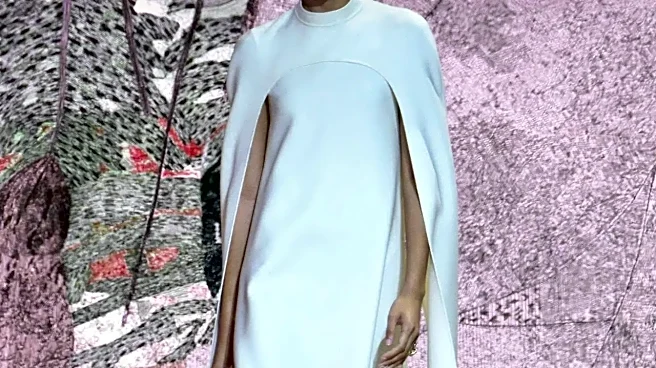
Fashion designers are architects of fabric, and runway models are their ideal canvas. Typically standing between 5'9" and 6'0", models provide a long, uninterrupted vertical line. Garments are specifically tailored and proportioned for these frames. A
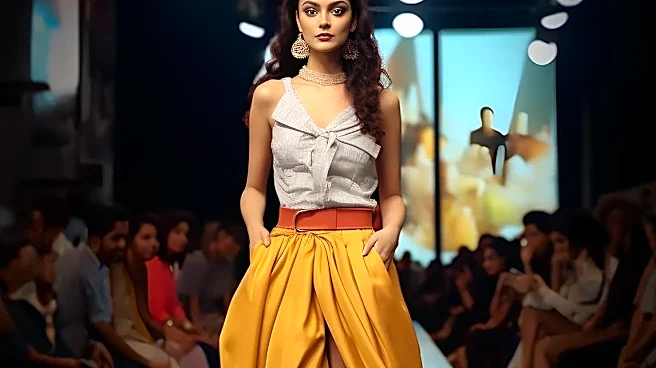
cropped jacket that hits a model perfectly at her natural waist might land awkwardly lower on a person of average height. A chic midi skirt designed to fall mid-calf on a tall frame could cut across the widest part of the calf on someone shorter, visually shortening the legs. This isn't a flaw in the clothing or your body; it's simply a matter of scale. Designers create sample sizes with these specific, elongated proportions in mind to ensure clothes hang and move a certain way during a show. The goal is a dramatic, consistent presentation, not universal fit.
It’s About Ratios, Not Just Size
The secret to why some outfits look harmonious lies in a classic artistic principle: the rule of thirds. This guideline suggests that dividing a silhouette into thirds is more aesthetically pleasing than splitting it in half. An outfit that creates a 1/2-to-1/2 ratio often looks boxy by cutting the body at its midpoint. By contrast, an outfit that follows a 1/3 top to 2/3 bottom (like a tucked-in shirt with high-waisted pants) or a 2/3 top to 1/3 bottom (like a long cardigan over a shorter dress) creates a more dynamic and elongated line. Designers instinctively use these ratios. When you try to copy a runway look piece for piece, you may be copying the garments but failing to replicate the intended ratio on your own frame, which is why the final result can feel unbalanced.
The Hemline Hazard: Where Length Creates Problems
Garment length is one of the most critical—and often overlooked—elements of proportion. A hemline creates a strong horizontal line that draws the eye, and its placement can dramatically alter your perceived silhouette. A midi skirt is a perfect example; on a tall model, it might hit a slender part of the lower leg, but on a shorter person, the same skirt could land at the widest point of the calf, making legs appear shorter and heavier. The same is true for shorts, coats, and dresses. The key is to find your own 'power lengths'—the spots on your body where a hemline is most flattering. This often means just above or below the knee, or at the narrowest part of your thigh for a mini, rather than at the thickest part of your thigh or calf.
How to 'Translate' Trends for Your Body
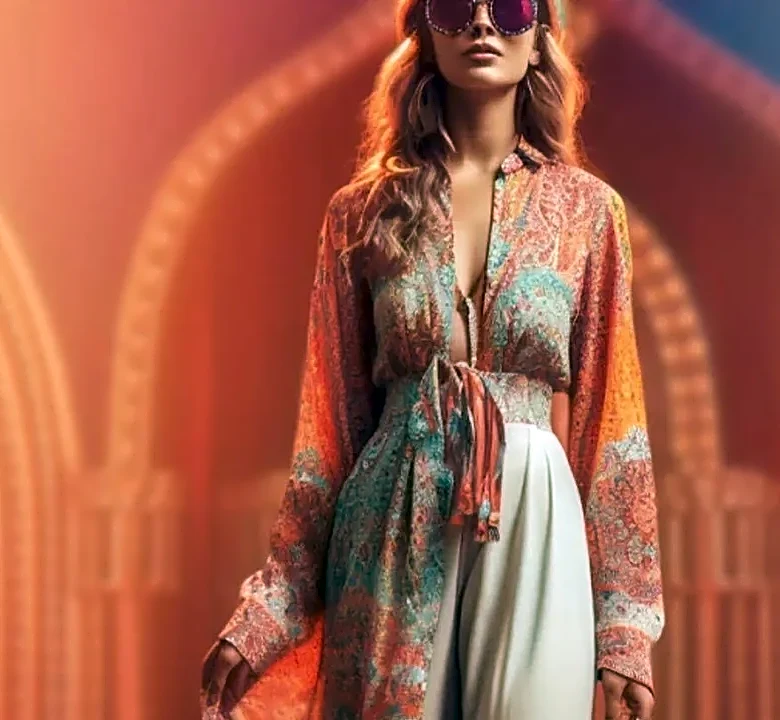
Instead of trying to duplicate a runway outfit, focus on translating the idea behind it. First, identify the core proportion. Is it a 1/3 top and 2/3 bottom? Then, achieve that ratio with pieces that fit your frame. This might mean choosing a slightly more cropped jacket or a higher-waisted pant than the one shown on the runway to get the same effect. Tucking in your shirt is the simplest way to define a waist and create a flattering 1/3-to-2/3 ratio. Don't be afraid to use a tailor. Hemming a skirt or dress by just an inch or two can make a world of difference. Lastly, consider the entire look. The runway styling includes specific shoes and accessories to complete the proportional story. A heel can elongate the leg line to make a tricky midi length work, while a belt can instantly create a waist and divide your outfit into thirds.