

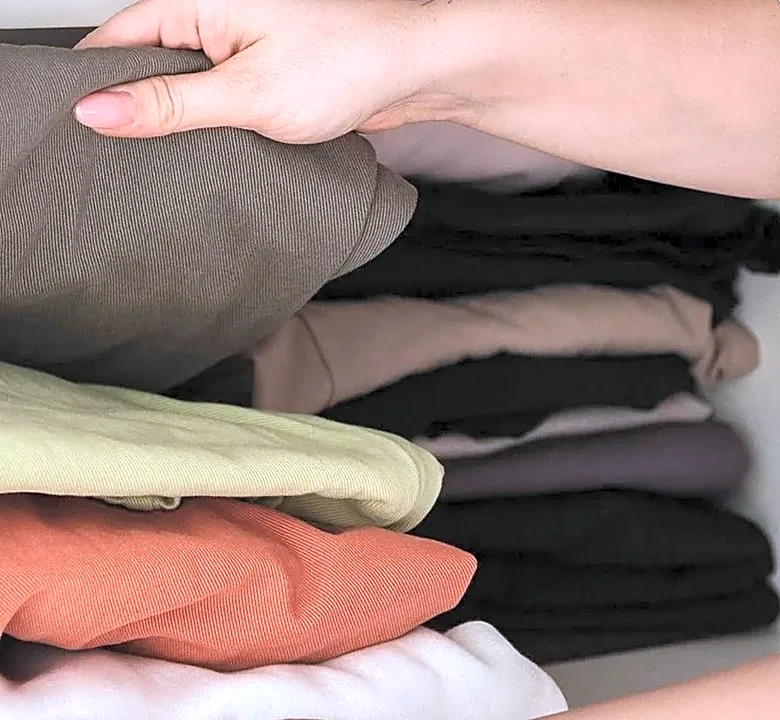


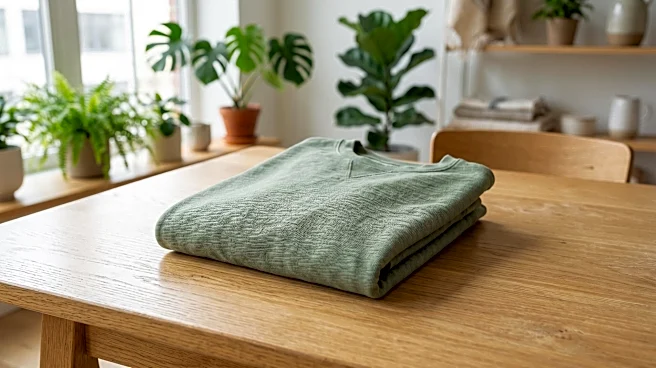


A winter capsule wardrobe is a masterclass in minimalism, until your favorite chunky knit lands in the hamper. Suddenly, your streamlined options feel… limited. A smart laundry strategy is the key to making a small wardrobe work all season.
1. How often do I really need to wash winter clothes?
Far less often
than you think. Unlike cotton t-shirts that need washing after each use, many winter fabrics are naturally odor-resistant and durable. Wool and cashmere, for instance, can often be worn 5-10 times before needing a wash, especially if you wear a base layer underneath. The key is to air them out for at least 24 hours between wears; this allows moisture to evaporate and the fibers to naturally freshen up. For items like heavy coats or blazers, a full wash is rarely necessary unless visibly stained. A professional cleaning once or twice a season is usually sufficient. Jeans can typically handle 3-5 wears before they need to be laundered. The rule of thumb is simple: if it’s not visibly dirty or smelly, give it air, not a wash cycle.
2. What’s the fastest way to wash a 'must-wear' item?
When your go-to sweater is out of commission right before you need it, a full machine wash is too slow. The answer is targeted cleaning. First, assess the problem. If it's just a small spot or spill, spot-treating is your best bet. A drop of gentle detergent or stain solution worked into the affected area is often all that's needed. If the entire garment needs a refresh, hand washing is the quickest method. Fill a clean sink with lukewarm water and a small amount of a wool-safe detergent. Submerge the item, gently squeeze the suds through it for a few minutes (never rub or wring), and then rinse with cool, clean water. To dry it quickly, lay the sweater flat on a thick, clean towel, roll them up together like a sleeping bag, and press firmly to squeeze out excess water. Then, unroll and lay it flat on a dry towel or a mesh drying rack to finish air-drying away from direct heat.
3. How do I avoid ruining my expensive sweaters?
The three biggest enemies of winter knitwear are heat, agitation, and harsh detergents. Heat and friction cause the delicate scales on wool and cashmere fibers to lock together, resulting in shrinking and felting. To prevent this, always use cold or lukewarm water (under 86°F/30°C) and opt for a pH-neutral detergent specifically designed for woolens. Standard detergents can be too aggressive, stripping the natural oils that keep fibers soft. When machine washing is an option (always check the care label first), use a mesh laundry bag, select the 'wool' or 'delicates' cycle, and use the lowest spin setting. Never, ever put a wool or cashmere sweater in a tumble dryer. The combination of high heat and tumbling is the fastest way to shrink a beloved garment to a doll's size. Always dry them flat.
4. What tools or products actually make this easier?
You don’t need a professional laundry room, but a few key items make a huge difference. A mesh drying rack is invaluable for laying sweaters flat and allowing air to circulate. A good fabric shaver or sweater stone is essential for removing the inevitable pills that form from friction, keeping your knits looking new. Mesh laundry bags are a non-negotiable for protecting delicate items from snagging in the washing machine. Beyond that, consider a fabric refresher spray to eliminate odors and smooth wrinkles between washes, further extending time until the next full clean. Finally, having the right detergent—a gentle, wool-specific formula—is perhaps the most important tool of all.
5. How do I build a laundry routine for a tiny wardrobe?
With a capsule wardrobe, the giant 'laundry day' of the past becomes inefficient. Waiting for a full hamper means you'll run out of clothes. Instead, think in terms of small, consistent loads or 'laundry moments'. Many minimalists adopt a 'one load a day' or 'every other day' approach, which keeps the task manageable and ensures key pieces are always cycling back into the closet. Another strategy is to align your loads with fabric types—for instance, running a delicates-only load mid-week when your sweaters need a refresh. The key is to create a rhythm where washing, drying, and putting away clothes is a quick, integrated part of your daily or weekly routine, not a monumental weekend project. This ensures your small-but-mighty wardrobe is always ready for you.