





More Than Just Pretty Dresses
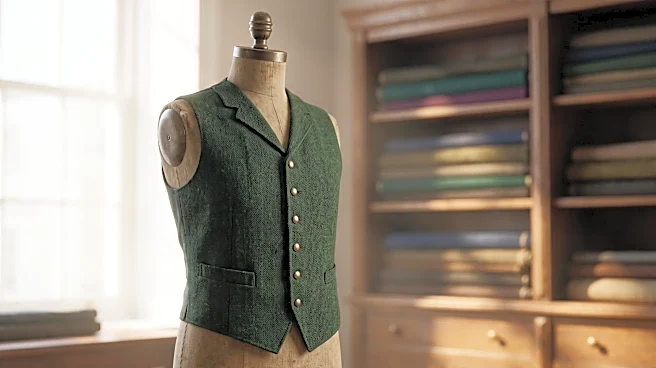
The most visible expense in a period film is the wardrobe, but the cost goes far beyond just the fabric. Creating a historically accurate costume isn't like shopping off the rack; it's a process of intense research, custom fabrication, and meticulous
craftsmanship. Designers and their teams spend weeks poring over historical documents, paintings, and photographs to get the silhouettes, materials, and even the stitching right. For a single lead actor, a costume can cost thousands, especially if it involves hand-embroidery or rare materials. Now multiply that by a full cast and hundreds of background extras, each needing to look authentic to the era. Furthermore, principal costumes often need duplicates for stunt work or to show wear and tear over the course of the story, adding another layer of expense before a single scene is even shot.
The Search for a World Without Wires
Finding the right location is one of the biggest hurdles. A story set in the 18th century can't have a modern skyscraper or a satellite dish in the background. Location scouts are tasked with the near-impossible job of finding environments that are either perfectly preserved or can be convincingly altered. This often means traveling to remote areas, which adds transportation and lodging to the budget. If a suitable real-world location can't be found, the production must build sets from scratch—an enormously expensive undertaking. Even when a perfect street of historic homes is located, the logistical nightmare begins. Productions must get permits, shut down streets, and digitally erase modern elements like power lines, street signs, and security cameras in post-production, a costly and time-consuming process.
The Tyranny of Tiny Details
Authenticity is a rabbit hole of hidden costs. It’s not enough for the buildings to look right; every object the actors touch must also be period-correct. This includes everything from the silverware on a dining table and the books on a shelf to the carriages on the street and the weapons in a battle. Prop masters must either hunt down genuine antiques, which are fragile and expensive to rent, or commission costly reproductions. Beyond props, there are historical consultants to ensure accuracy in etiquette and dialect coaches to perfect accents. Even the sound design is more complex; the ambient noise of a 19th-century city is vastly different from a modern one, requiring a unique soundscape to be built from the ground up to maintain the illusion.
Why Spend It All?
With all these financial hurdles, one might wonder why studios keep making these expensive films, especially when a modern-day thriller or horror movie can often be produced for a fraction of the cost. The answer lies in prestige. Fall is awards season, and lavish period dramas are prime contenders for major accolades like the Academy Awards. These awards can elevate a studio's brand, attract top-tier actors and directors to future projects, and give a film a long life in streaming and syndication, even if its initial box office performance is modest. For many filmmakers and studios, the cultural impact and potential for industry recognition are worth the enormous financial risk. They are investing not just in a movie, but in a piece of art that they hope will stand the test of time.