




How We Learned to Watch Alone
It’s no one’s fault, really. The rise of streaming was a revolution in convenience. Suddenly, entire seasons of shows were available at the click of a button, ready to be consumed at our own pace. Personalized algorithms fed us exactly what they thought
we wanted, creating individual content bubbles. The shared cultural space of the network schedule, with its simultaneous premieres and weekly watercooler moments, fractured into a million private screenings. We traded the joy of the collective gasp for the quiet satisfaction of hitting “next episode” at 2 a.m. The result was a paradox of choice: endless shows, but fewer shared conversations.
The Return of Can't-Miss Events
Fall 2026, however, feels different. The schedule is packed with the kind of high-stakes, big-budget event programming that demands to be seen live. We’re getting prequels to beloved horror franchises with “Crystal Lake” (a Friday the 13th story) and literary epics like Zoe Kazan’s adaptation of “East of Eden.” Add in Ridley Scott’s “Blade Runner 2099” and new installments of Ryan Murphy’s popular “Monster” and “American Horror Story” anthologies, and you have a calendar full of titles too big to ignore. These aren't just new shows; they are cultural events designed to dominate social media and demand immediate viewing to avoid spoilers. They are, in essence, appointment television for the streaming age.
Weekly Drops Force a Conversation
Perhaps the most significant shift is the industry’s slow but steady retreat from the all-at-once binge model. Major services have realized that dropping episodes weekly keeps a show in the cultural conversation for months, not just a single weekend. A new season of a hit like Apple TV+'s spy thriller “Slow Horses” or HBO’s “The Gilded Age” will now generate weeks of theories, debates, and memes. This forced pacing rebuilds the communal experience. It gives audiences time to digest, discuss, and anticipate what’s next—together. Even reality television, a long-standing bastion of communal viewing, is doubling down with shows like “The Traitors: New Blood,” which thrive on week-to-week speculation and betrayal.
More Than Just Watching
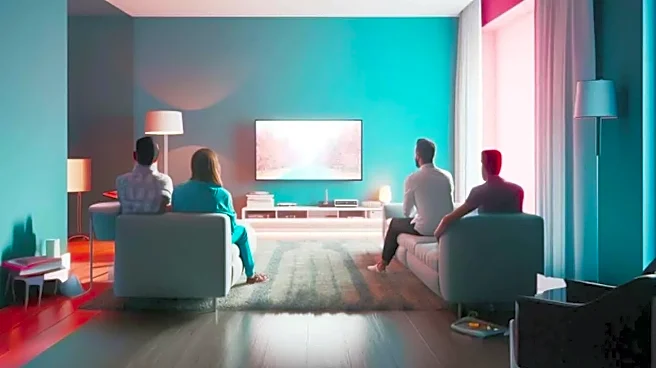
The new era of communal viewing isn't just about watching the same thing at the same time. It’s about participating in the culture around it. Networks and streamers are actively building universes that extend beyond the screen. Consider the star power of Reba McEntire’s sitcom “Happy’s Place” or the high-wattage drama of “War” starring Sienna Miller and Dominic West; these are shows built to generate headlines and social media chatter. New network dramas like “Cupertino” and “Line of Fire” will live or die based on the online buzz they can generate from week to week. This ecosystem of reaction videos, fan theories, and live-tweeting creates a virtual living room, allowing people to experience the highs and lows together, even when they’re miles apart.