






The Stage Was Set
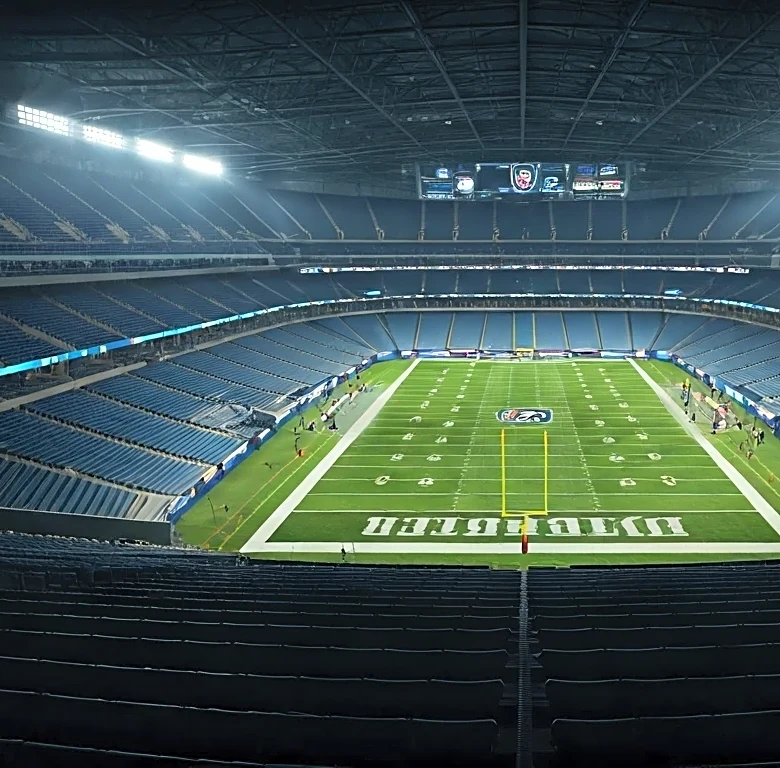
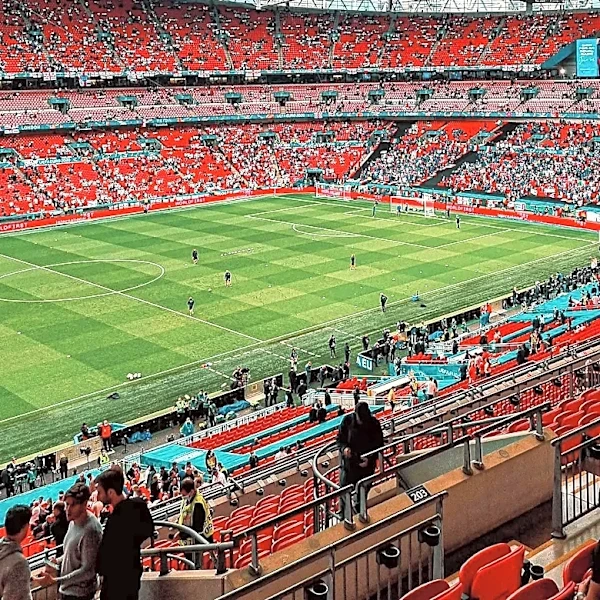
Imagine the scene: The 2026 World Cup, hosted on home soil, has reached the do-or-die knockout rounds. The United States Men’s National Team is in a tense battle against Bosnia and Herzegovina, fighting for a coveted spot in the Round of 16. The weight
of a nation’s expectations rests on their shoulders. A win means advancing the dream of a deep run in front of hometown crowds; a loss means a sudden, heartbreaking exit. The U.S. had secured a 1-0 lead just before halftime, but in a tournament this big, a one-goal advantage is anything but safe. The game was on a knife’s edge, with every pass and tackle feeling like it could be the one that defined the match.
A Moment of Crisis
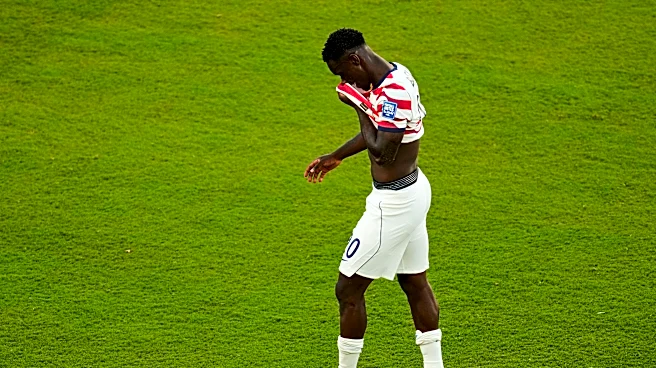
Then, disaster struck. In the 64th minute, U.S. striker Folarin Balogun, who had already scored, was sent off with a red card after a video review. For the uninitiated, that’s an ejection. The team isn't allowed a substitution and must play the rest of the game with only 10 players against the opponent's 11. It was a massive blow that threatened to derail the entire campaign. Playing a man down for nearly half an hour, the hosts came under intense pressure as Bosnia and Herzegovina pushed hard for an equalizing goal that felt increasingly inevitable. The momentum had completely shifted, and the American dream was suddenly in serious jeopardy.
One Kick to Change Everything
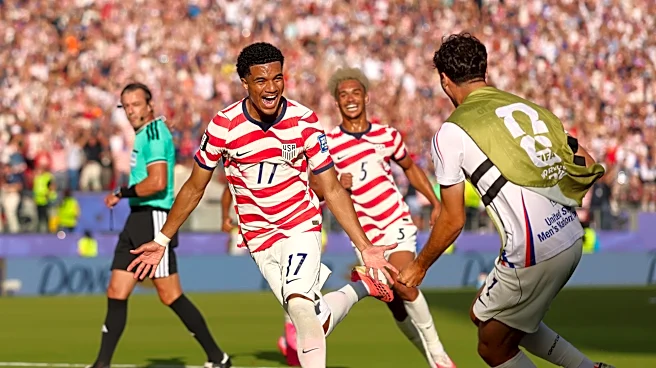
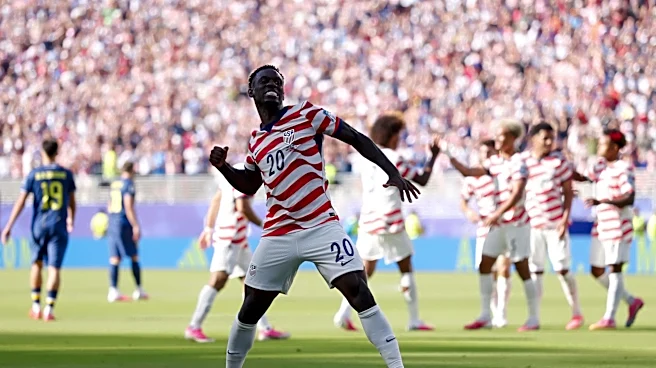
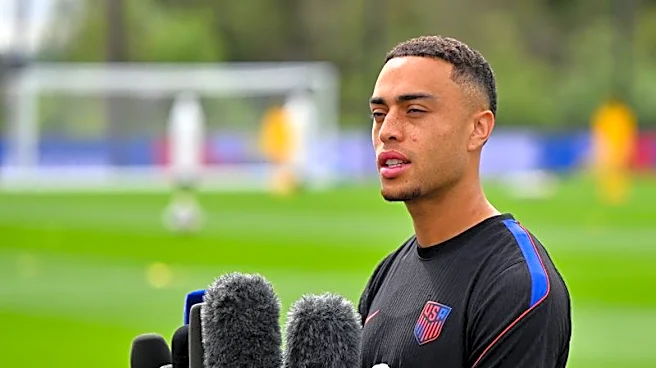
This is where sports become cinema. In the 82nd minute, with the U.S. desperately holding on, they were awarded a free kick just outside the penalty area. Stepping up was midfielder Malik Tillman, who, in a perfect bit of dramatic detail, was playing through pain with a bloody toe that had forced him to change his boot earlier in the match. The concept is beautifully simple: one player gets one chance to shoot the ball at the goal, while the other team forms a human wall to try and block it. Tillman stood over the ball, the stadium held its breath, and he curled a perfect, arcing shot over the wall. The Bosnian goalkeeper dove, getting a hand to the ball, but the strike was too precise, too powerful. It hit the back of thent, and the stadium erupted. It was a moment of individual brilliance that sealed a 2-0 victory against all odds.
Soccer's Simplest, Best Sales Pitch
This is why the free kick is an art form built for the casual fan. You don't need to understand complex tactical formations or the nuances of the offside rule to get it. The drama is primal and self-contained. It’s a dead-ball situation, a pause in the chaotic flow of the game where everything boils down to one simple equation: can one player’s skill overcome the goalkeeper and the wall? The goal was not just a game-winner; it was the first direct free-kick goal scored by a U.S. player in a World Cup since 1994, adding a layer of historical significance. It was a singular act of heroism that anyone can appreciate, a perfect story told in the span of a few seconds.