






Why Wet Hair Is So Vulnerable
The core of the anti-wet-brushing argument is based in science. When hair is saturated with water, its structure changes. The protective outer layer, the cuticle, swells and lifts, making the inner cortex more exposed. This also makes the hair strand
significantly more elastic. While that sounds like a good thing, it means wet hair can stretch far beyond its normal limit when pulled, making it much more susceptible to snapping and breaking. Aggressive brushing from root to tip on sopping wet hair is a recipe for damage, split ends, and frizz, which is why many stylists advise against it.
The Case for Brushing When Wet
So why do some stylists brush hair while it’s wet? Because for certain hair types, it’s the most effective way to detangle. People with curly, coily, or even very wavy hair often find that brushing their hair dry is a one-way ticket to frizz and a disrupted curl pattern. For these textures, brushing when wet and coated with a slippery conditioner or leave-in product allows a comb or brush to glide through knots with less friction. The water and product combination provides slip, helping to gently release tangles without tearing through the delicate curl clumps. The rule for many with textured hair is to detangle wet, then leave it alone as it dries to preserve definition.
The Argument for Brushing Dry
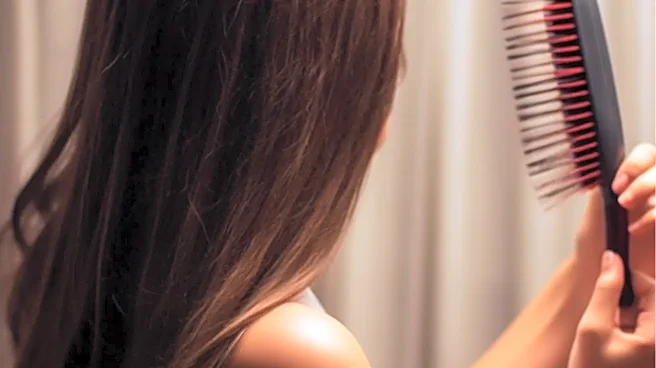
For those with straight or finer hair, dry brushing is often the safer bet. Dry hair is stronger and less elastic, meaning it can withstand the tension of brushing with less risk of breakage. Brushing dry hair also serves a key purpose beyond simple detangling: it distributes the scalp's natural oils (sebum) down the hair shaft. This action helps to naturally condition your ends, reduce oiliness at the roots, and boost overall shine. Furthermore, daily dry brushing can help stimulate blood flow to the scalp and remove loose hairs.
The Real Answer: It’s About Hair Type and Tools
The disagreement among stylists isn't because one method is universally right and the other is wrong. The real reason for the conflicting advice is that the best practice depends entirely on two factors: your hair type and your tools. A stylist working with fine, straight hair will follow different rules than one working with tight coils. The former is prone to stretching and snapping when wet, while the latter is prone to frizz and breakage when brushed dry. The blanket statement "never brush wet hair" is poor advice for someone with 4C coils, just as "only brush wet hair" could be damaging for someone with fine, straight strands.
Your Toolkit: Matching the Brush to the Task
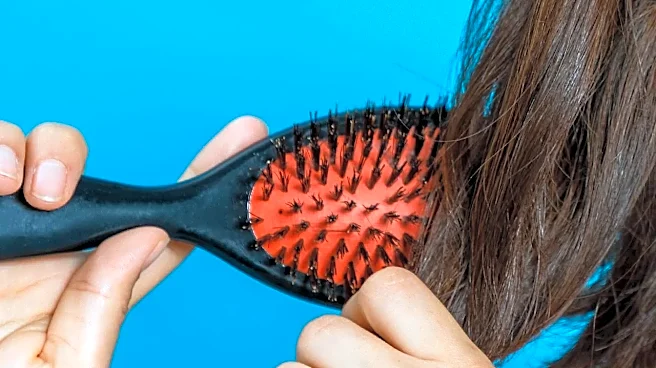
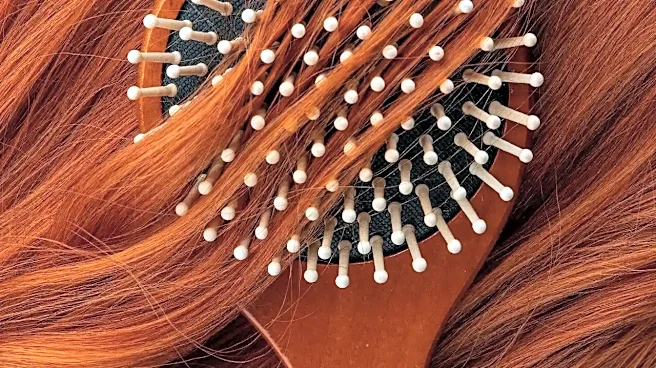
Using the wrong tool can cause damage regardless of when you brush. If you must detangle your hair when it's wet, never use a standard bristle brush. Instead, opt for a wide-tooth comb or a brush specifically designed for wet hair, which has flexible, spaced-out bristles that move with the hair rather than tearing through it. Always start from the ends and work your way up to the roots to minimize pulling. For dry brushing, a boar bristle brush is excellent for distributing oils and creating a smooth finish, while a paddle brush can be a good all-around choice for daily grooming of straight or wavy hair.