






Fear is Contagious
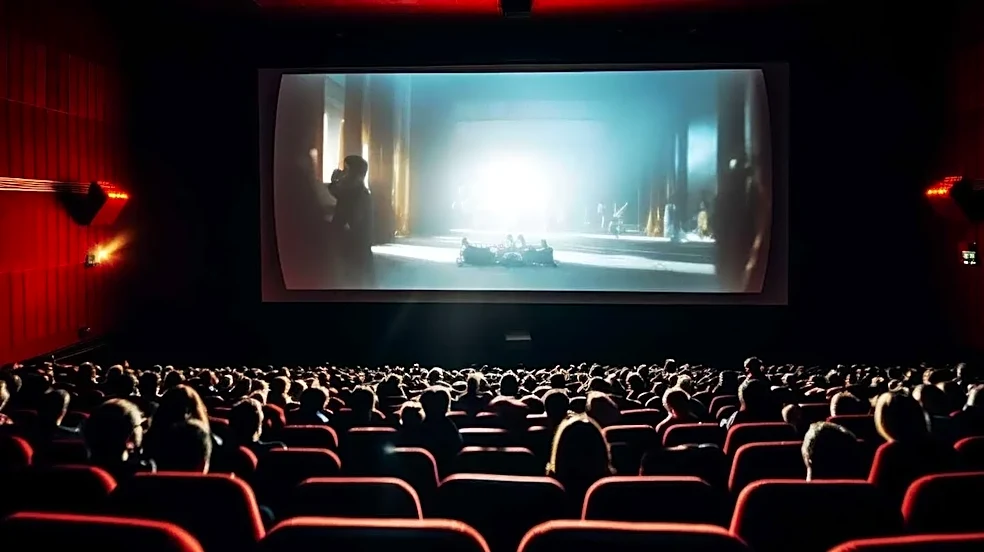
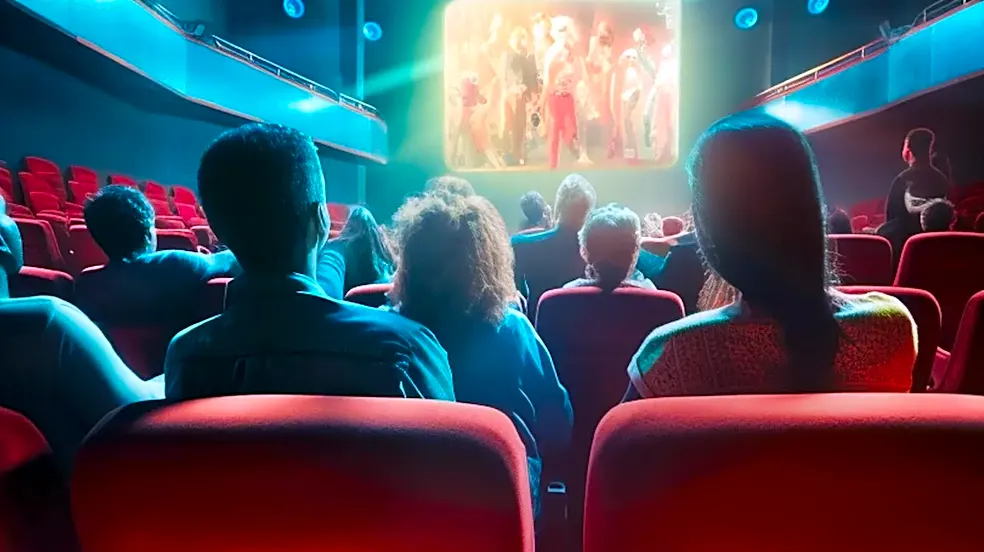
The single biggest reason for the heightened fear is a phenomenon called 'emotional contagion'. Humans are social creatures, wired to take cues from one another. When you're in a dark room and the person next to you gasps, your brain's mirror neurons
fire. You might not have even seen the threat on-screen, but their audible fear triggers your own alert system. This creates a feedback loop: one person yelps, which makes three more people jump, and their collective panic washes over the entire audience, amplifying the tension far beyond what the film alone could achieve. You're not just reacting to the movie; you're reacting to hundreds of other people reacting. It's a shared, escalating experience where panic spreads like a virus.
The Power of Sound
A home entertainment system, no matter how good, can’t compete with the raw power of a theater’s sound design. Horror filmmakers are masters of auditory manipulation. They use booming, low-frequency sounds—sometimes called 'infrasound'—that you feel more than you hear. These vibrations can create a physical sensation of anxiety and dread, making your chest feel tight before you even consciously register why. In a theater, surround sound is used to create a sense of unease, with creaks, whispers, and footsteps appearing to come from behind or beside you. This total sonic immersion breaks down the barrier between you and the film, making it impossible to escape the carefully constructed atmosphere of terror. That sudden, deafening silence before a jump scare is just as potent, forcing an entire audience to hold its breath in unison.
The Social Contract of Being Scared
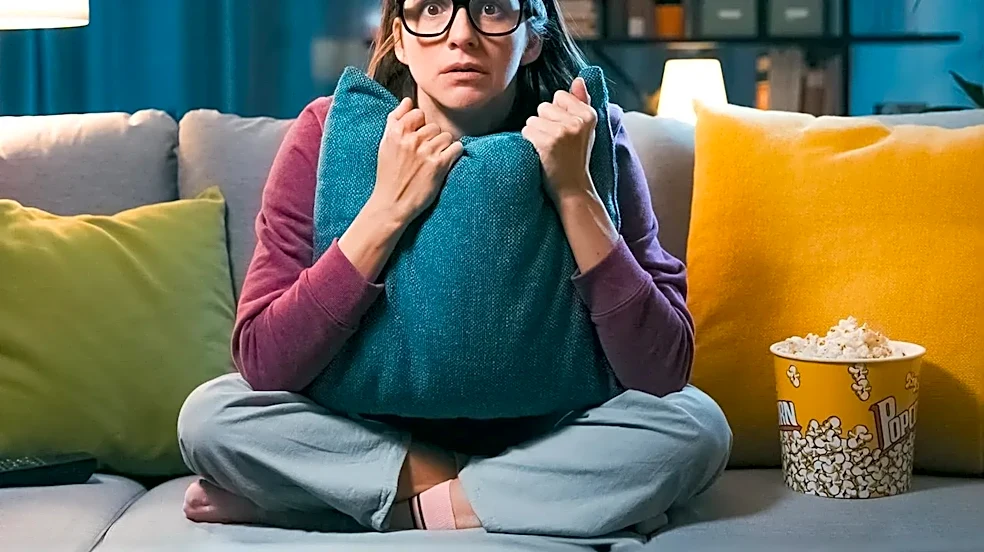
When you buy a ticket for a horror movie, you enter into an unspoken social contract with everyone else in the room. You've all agreed to be vulnerable together. The darkness and enforced silence remove outside distractions, focusing everyone's attention on a single point: the screen. This shared focus creates a powerful sense of unity and shared purpose. Unlike at home, where you might pause the movie, check your phone, or turn on a light, the theater environment demands your surrender. This loss of control is crucial. By giving yourself over to the experience alongside dozens of strangers, you lower your psychological defenses, making yourself more susceptible to the frights the director has in store.
Safety in Numbers? Think Again
Logically, being surrounded by people should make you feel safer. But in a horror movie context, the opposite is often true. The crowd doesn't feel like a protective barrier; it feels like an unpredictable variable. Every shadow in your peripheral vision, every sudden movement from a fellow moviegoer, every rustle of a popcorn bag can become a potential threat that your already-heightened senses latch onto. The fight-or-flight response triggered by a jump scare is a primal, physical reaction. When hundreds of people experience that adrenaline spike at once, the result is a chaotic flurry of sound and motion that adds to the overall sense of danger, rather than diminishing it. You're trapped in the dark with a monster on the screen and a hundred screaming, jumping strangers all around you.