


The Architects of Audio
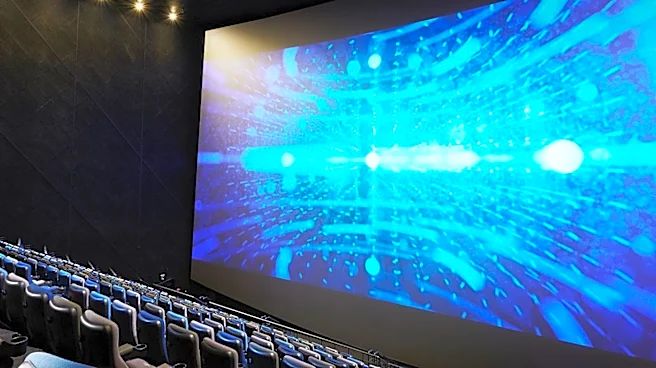
We think of film as a visual medium, but take away the sound and the illusion shatters. That immersive audio experience isn't captured by accident; it's meticulously constructed by a team of sound professionals. The person leading this charge is the supervising
sound editor, who oversees every sonic element of a film, from the faintest whisper to the most deafening explosion. This role is part creative genius, part logistical wizard. On large productions, they join the project even before filming begins, working with the director to establish the movie's auditory identity. They manage teams responsible for dialogue, sound effects, and music, ensuring every piece fits into a cohesive whole. Their job is to make sure that the final soundtrack not only complements the picture but elevates it, creating a specific mood, whether it's naturalistic or highly stylized.
The Art of Everyday Noise
Many of the most common sounds in a film aren't the ones recorded on set. The rustle of clothing, the clink of a glass, and especially footsteps are often too faint or muddied by background noise to be usable. This is where foley artists come in. Named after innovator Jack Foley, these performers use a seemingly bizarre collection of props to create organic sounds in perfect sync with the on-screen action. Inside a specialized studio, they might stomp in a gravel pit for a character's walk, snap celery stalks to simulate breaking bones, or inflate rubber gloves to mimic the flapping of wings. It’s a performance art that requires incredible timing and creativity. The sounds they make are often more real than reality itself, adding a layer of texture and physical presence that anchors the film's world and makes it feel tangible.
Creating the Impossible
What about sounds that don't exist in the real world? The hum of a lightsaber, the roar of a Tyrannosaurus Rex, or the clicks of an alien creature are all born in the minds of sound designers. The iconic lightsaber from Star Wars, for instance, was famously created by combining the hum of an old tube television's picture tube with the whir of a film projector motor. For Jurassic Park, sound designer Gary Rydstrom blended the sounds of a baby elephant, a tiger, and an alligator to create the T-Rex's terrifying roar. These artists are inventors, manipulating and layering existing sounds or generating new ones entirely to give voice to the fantastical. Their work isn't just about making noise; it's about conveying character, power, and emotion through audio, creating signature sounds that become as legendary as the visuals they accompany.
The Power of What You Don't Hear
Just as important as the sounds that fill a movie are the moments of quiet. A skilled sound editor knows that silence can be more powerful than any explosion. Stripping sound away can build unbearable tension, focus the audience's attention on a critical detail, or create a profound sense of isolation and dread. Think of the nail-biting silence in A Quiet Place, where every tiny crackle becomes a life-or-death event. The sound team didn't just remove noise; they crafted a soundscape where the absence of sound was the main character. Even in a loud action movie, editors carefully carve out sonic space, using lulls in the audio to make the subsequent impact feel that much bigger. This deliberate control over the entire dynamic range of a film, from whisper to roar, is what separates a chaotic mess of noise from a masterful, emotionally resonant soundtrack.