




The Price of a Pop Culture Moment
Putting a precise number on the VMAs is tricky, but estimates for major Hollywood awards shows run anywhere from $30 million to over $50 million for a single night. This isn't just for the champagne and celebrity gift bags. The budget covers everything
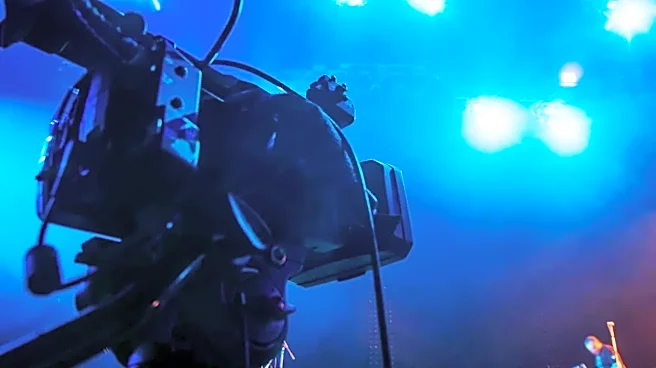
from renting and transforming a massive venue like Madison Square Garden or the Prudential Center to the salaries of hundreds of crew members. Key costs include elaborate, custom-built stages, state-of-the-art lighting and sound systems, and extensive security to manage the A-list talent and thousands of fans. Then there's the broadcast itself, a complex technical feat involving dozens of cameras, satellite trucks, and a full production team working in real-time to create the show millions watch at home.
The Talent Expense Account
Here's a surprising fact: most artists who perform at the VMAs do so for free or for union-scale wages, which is a tiny fraction of their usual fee. Why? The exposure is priceless. A memorable VMA performance can lead to a massive spike in song downloads, album sales, and concert ticket demand. While MTV doesn't pay hefty performance fees, it does cover significant production costs, allowing artists to stage elaborate, career-defining spectacles they couldn't afford otherwise. However, the talent budget isn't zero. Hosts can command low six-figure salaries, and even presenters are paid a minimum fee set by their union. Beyond that, there are substantial costs for travel, accommodations, security, and fulfilling the often-demanding requests of celebrity entourages.
Constructing the Spectacle
The visual identity of the VMAs is its most expensive asset. The constantly evolving stage designs, mind-bending augmented reality effects, and pyrotechnics are a core part of the show's appeal. This requires a small army of designers, fabricators, engineers, and union laborers working for weeks to build, install, and then dismantle the entire production. Each musical performance is its own mini-production, often with unique sets, choreography, and special effects that need to be seamlessly integrated into the live show. This entire operation is a masterclass in logistics, requiring flawless execution to transition from one elaborate performance to the next in the span of a commercial break.
So, How Does It Make Money?
If MTV is spending tens of millions and not paying most performers, where's the return? First, advertising. A 30-second commercial spot during the live broadcast costs a premium, and the network sells major sponsorship packages to brands who want to be associated with the event's cultural cachet. These deals often extend beyond the broadcast into social media campaigns and on-the-ground activations. In recent years, MTV's parent company, Paramount, has introduced new revenue streams like making red carpet looks shoppable through AI partnerships. But the biggest return isn't direct profit. The VMAs are a massive marketing engine for the MTV brand itself and the entire Paramount ecosystem. It's an annual injection of cultural relevance that keeps the legacy network in the global conversation, driving viewers to its other shows and platforms.