




More Than Just a Pretty Backdrop
In television production, the budget is typically split into “above-the-line” (actors, writers, directors) and “below-the-line” costs. The latter category covers the physical creation of the show, and nestled within it is the location budget—a fund that
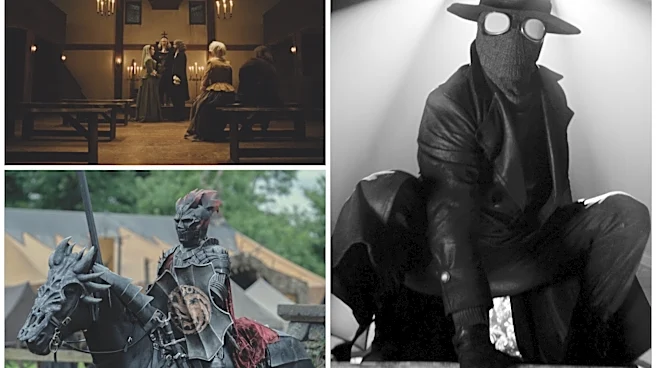
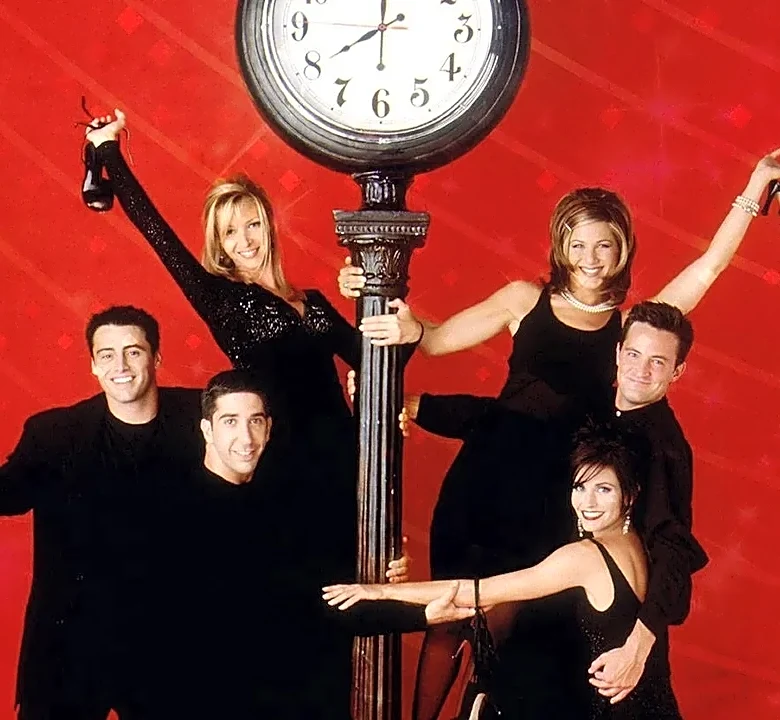
pays for everything from permits to renting private homes and securing vast landscapes. For a contained sitcom, this cost is minimal. But for an epic series, it’s a declaration of intent. A show that dedicates significant resources to filming on location is betting that real-world texture adds a layer of authenticity and scale that a soundstage can't quite replicate. It’s the difference between the cozy, familiar apartment in "Friends," filmed almost entirely in a Los Angeles studio, and the sprawling, continent-spanning world of "Game of Thrones," which used locations in Croatia, Iceland, and Spain to build Westeros.
The Real World vs. The Controlled Stage
The fundamental choice for any production is whether to go out into the world or build it from scratch. A soundstage offers total control. Producers can manipulate lighting to turn day into night, eliminate background noise, and keep sets standing for reshoots. This is ideal for productions heavy on special effects or those needing a highly specific, repeatable environment. However, shooting on location provides an inimitable sense of realism and depth. The grit of a real city, the grandeur of an ancient castle, or the stunning vistas of a national park bring a unique energy that is difficult to fake. While building a set can be costly, on-location shooting comes with its own financial risks, including transportation, crew accommodations, permits, and the unpredictable nature of weather. The decision to absorb those risks often signals that a show’s creators believe the aesthetic payoff is worth the price.
The Geography of Ambition
Where a show films is just as telling as its decision to shoot on location in the first place. Many productions flock to states like Georgia or countries like Canada, which offer generous tax incentives that can slash a budget by up to 30%. This is a pragmatic ambition—stretching every dollar to maximize production value. But another kind of ambition is revealed when a show travels to expensive, remote, or logistically difficult locations without major financial subsidies. When a series like "Westworld" ventures into the dramatic deserts of Utah or "Vikings" captures the otherworldly landscapes of Iceland, it’s a statement. This spending isn't about saving money; it’s about securing a visual signature that is impossible to replicate elsewhere. The location itself becomes a character, defining the show's identity and immersing the audience in its world.
What You're Actually Seeing on Screen
When you watch a new fall series and find yourself struck by its “cinematic” quality, you are often seeing the direct result of a hefty location spend. That feeling of immersion comes from the texture of real places. The success of shows like "Yellowstone" has even driven tourism to its filming locations in Montana, as viewers seek to experience the show's breathtaking landscapes firsthand. Similarly, the eerie, small-town atmosphere of "Stranger Things" is deeply rooted in its Georgia filming locations. The choice to film on-site is a commitment to visual storytelling that goes beyond the script. It’s a signal that the creators are investing not just in a plot, but in a believable, tangible world that audiences can get lost in. So the next time a show takes your breath away, look past the actors and action—you might just be appreciating a very well-spent location budget.