




Two Different Jobs, Two Different Goals
The most crucial factor is that juries and critics are playing entirely different games. A critic’s primary job is consumer-facing. They watch a film and report back to the public, answering questions like: Is this good? Is it worth your time and money?
Their analysis contributes to a broad consensus, often tracked in polls, which tends to elevate films that are widely admired and respected. A festival jury, on the other hand, has a much narrower and more political task. Typically a small group of seven to nine filmmakers, actors, and artists, their job isn't to find the 'best' film in a vacuum but to award a single, symbolic prize from a curated selection of about 20 movies. They are there to make a statement, champion a particular artistic vision, and function as a committee with all the compromise and debate that entails.
The Psychology of the Jury Room
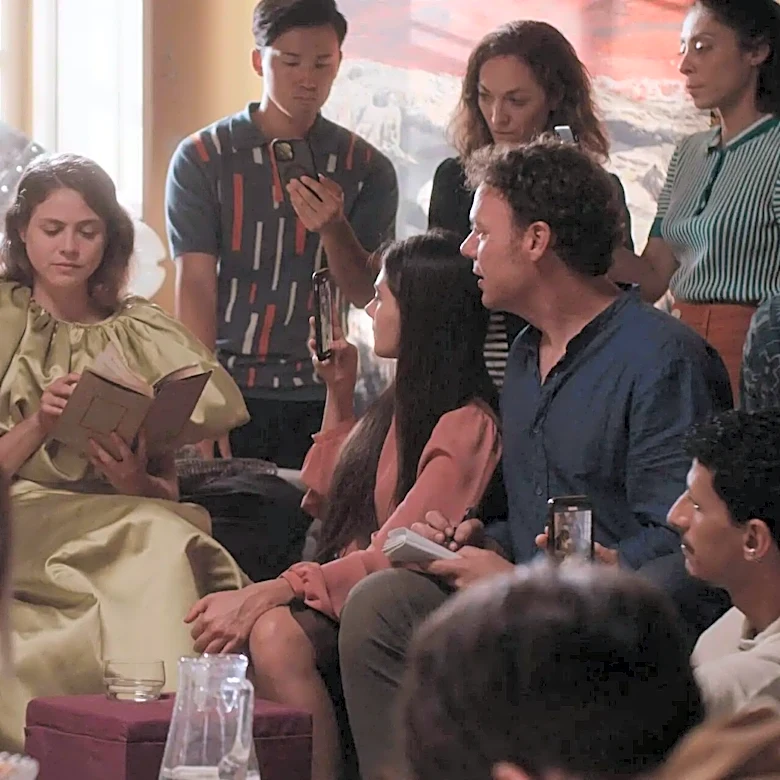
Imagine being sequestered with eight other creatives for more than a week, watching three films a day and then debating them intensely. This is the 'jury room bubble,' and it creates a unique psychological dynamic that's far removed from the individual experience of a critic. In this environment, a single passionate advocate can sway the entire group. A film that might be divisive among critics can win the top prize if a powerful jury member champions it relentlessly. Conversely, a 'safe' or merely well-crafted film that everyone likes but no one loves can easily get lost in the shuffle. The final decision is often a product of persuasion, negotiation, and sheer exhaustion, leading to a result that reflects the specific alchemy of that small group, not a broad critical consensus.
The Politics of the Prize
There's an undeniable political dimension to a jury's decision. Unlike a critic, a jury president knows their choice will echo through the industry. Their verdict can launch a director's career, secure distribution for a struggling film, or make a powerful statement about what kind of cinema the world should be paying attention to. Juries are often composed of international figures who bring their own cultural and political sensitivities. They might feel a duty to award the prize to a filmmaker from a nation with a less-established film industry or to a movie that tackles urgent social issues. These considerations are rarely at the forefront of a critic’s individual review. This political and symbolic weight can steer the jury away from the obvious critical darling toward a choice that feels more urgent, necessary, or groundbreaking to them.
Consensus vs. The Passionate Choice
Critics' polls are, by their nature, an exercise in aggregation. They average out hundreds of opinions, which means the films that rise to the top are often the ones that are broadly liked by the most people. This system favors consensus picks—movies that are difficult to dislike, even if they don't inspire rabid devotion. A jury doesn't operate on averages. A film could be actively disliked by three jurors but so passionately adored by the other four that it wins the day. This dynamic allows for more polarizing and audacious films to triumph. While critics might collectively praise a polished, masterful drama, a jury might be more captivated by a formally daring, emotionally raw, and even flawed film that sparks a more ferocious debate. The final choice is often the one that someone in the room was willing to fight for, not the one everyone quietly agreed was 'very good.'