



The Calendar's Critical Anchor
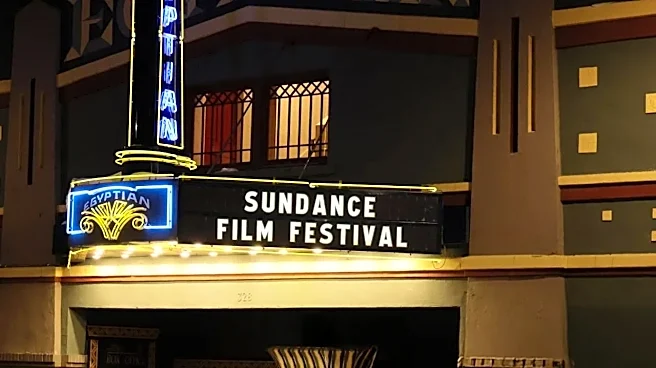
Think of the fall festival circuit as a primary race. Venice, Telluride, and the Toronto International Film Festival (TIFF) are the early states, where contenders are first unveiled to immense hype. By the time the BFI London Film Festival kicks off in early October,
the field has narrowed. The LFF, currently running from October 7th to 18th for its 70th edition, isn't about discovering dozens of unknown quantities. Instead, its power lies in curation and clarification. It takes the buzziest films from the earlier festivals—like this year's 'Elsinore', starring Andrew Scott, which earned acclaim at Telluride and Toronto—and presents them to a new, vital audience. This strategic position allows it to act as a powerful filter, solidifying which films have the staying power for the long road to the BAFTAs and Oscars and which were just a flash in the pan.
A Festival for the Public, Watched by the Industry
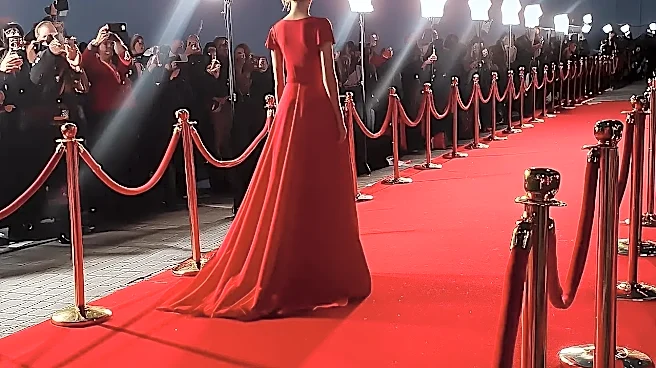
Unlike the industry-dominated atmosphere of Cannes, the LFF is proudly a public-facing event. For 12 days, London's cinemas are filled with regular moviegoers, not just critics and distributors. This provides a crucial real-world test for awards hopefuls. While industry insiders can debate a film's merits endlessly, the roar of a packed house at the Royal Festival Hall provides a different, arguably more valuable, metric of a film's emotional impact. This is why the LFF Audience Awards are so closely watched. Last year, Chloé Zhao’s ‘Hamnet’ won the Audience Award for Best Feature, a significant boost that helped propel it through awards season, culminating in a Best Actress BAFTA for star Jessie Buckley. The industry pays close attention to what connects with the London crowds, seeing it as a key indicator of mainstream appeal.
The Ultimate BAFTA Springboard
For British films, the LFF is more than a festival; it's a home-turf launchpad. While a premiere at a major international festival is prestigious, a gala screening in London is essential for galvanizing national pride and media attention ahead of the British Academy Film Awards (BAFTAs). It's the place to make a statement. This year features world premieres for anticipated UK productions like Anthony Wonke's boxing biopic ‘In the Shadows’ and Sean Mathias’ ‘Frank and Percy’, starring Ian McKellen and Roger Allam. A strong reception at LFF can create unstoppable momentum. It provides British filmmakers and actors a platform to connect directly with the audience and voters who will ultimately decide the BAFTAs, which have become an increasingly influential bellwether for the Oscars.
Solidifying Frontrunners and Spotlighting Dark Horses
The festival's program serves a dual function: it anoints the frontrunners and elevates the dark horses. Major studio productions with big stars use the festival's galas to cement their status as must-see events. This year, films like Danny Boyle's ‘Ink’ and Tony Gilroy's ‘Behemoth!,’ starring Pedro Pascal and Olivia Wilde, are using LFF for high-profile premieres. At the same time, the festival's juried competitions, like the Best Film award and the Sutherland Award for first features, shine a spotlight on international and independent cinema that might otherwise get lost in the noise. Winning a prize at LFF, as Lucrecia Martel's ‘Landmarks’ did in 2025, provides a critical seal of approval that can lead to distribution deals and wider recognition, starting a film on its own unlikely awards journey.