








Forging a Brotherhood, Not Just a Roster
A national team roster is one of sport’s oddest creations. It’s a collection of million-dollar assets who spend most of the year as rivals, scattered across different continents, leagues, and tactical systems. Suddenly, they’re expected to function as a single,
cohesive unit under immense patriotic pressure. That doesn’t happen by magic. The extra days or week that early arrivals gain is less about running drills and more about social engineering. It’s the time for settling scores over card games, sharing meals without the distraction of a full squad, and rebuilding the personal bonds that fray during a long club season. When a defender from the Premier League and a striker from La Liga have to trust each other implicitly, that trust is built in the quiet moments of camp long before it's tested in the 90th minute of a knockout game. This is where a group of individuals starts to feel like a team.
From Club Systems to National Strategy
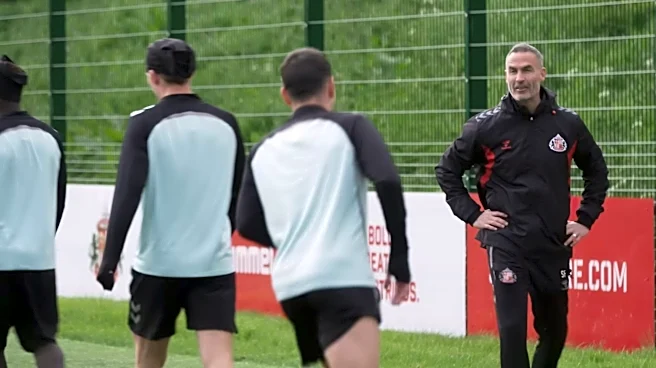
Imagine being an expert in Spanish grammar and then being told you have two weeks to become fluent enough in German to write a novel. That’s the tactical challenge facing players joining their national teams. Every player arrives programmed to their club’s specific system—be it the high press of a German side or the patient buildup of a Spanish one. The national team coach has an entirely different playbook. Early arrival provides a vital cram session. It’s the time to walk, not run, through new formations. It’s when coaches can pull players aside for one-on-one instruction on specific roles and responsibilities without the pressure of a full-squad session. The nuanced movements, the unspoken cues for a press, the precise timing of an overlapping run—these things can't be learned from a PowerPoint presentation. They require repetition on the training pitch, and the players who get there first get the most reps.
Managing Fatigue, Building Fitness
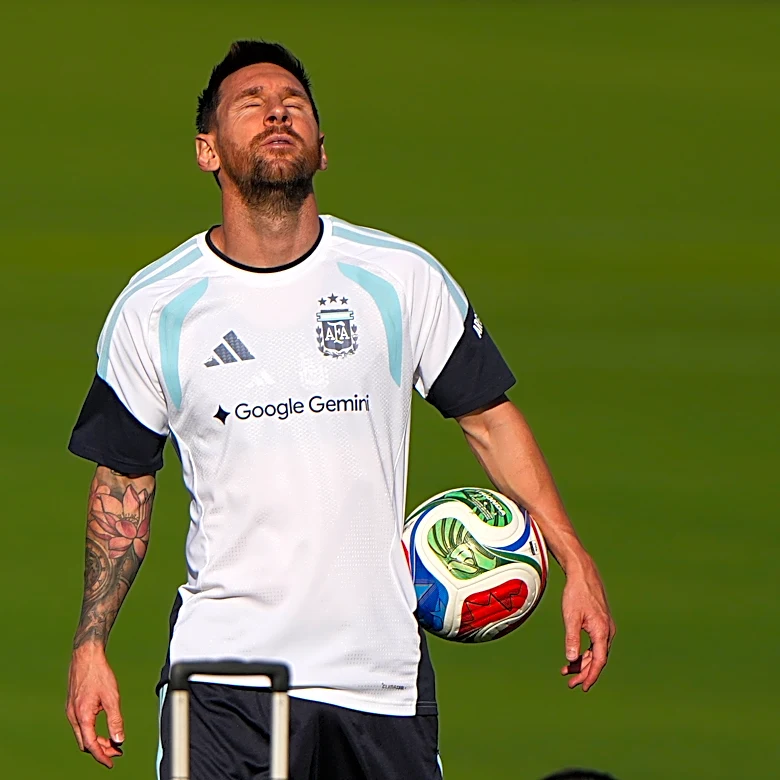
It’s one of soccer’s great paradoxes: players arrive for the biggest tournament of their lives often at their physical lowest. Many stars, especially those from top European clubs, are running on fumes after a grueling 10-month season, sometimes coming directly from a league finale or a Champions League final. They aren’t just tired; they’re carrying a season’s worth of bumps, bruises, and mental exhaustion. Showing up early isn’t about being thrown into punishing two-a-day practices. On the contrary, it’s about managed deceleration. Team physios and fitness coaches use this period to assess each player, manage their workload, and design personalized programs to help them recover and rebuild. The goal isn’t to get fit; it’s to get *tournament* fit. This means tapering down, shaking off jet lag, and timing their physical peak for the second and third weeks of the competition, not burning out in the group stage.
Finding Focus Far From Home
The modern soccer star lives in a hurricane of distractions: club obligations, media requests, sponsorship duties, and the constant hum of social media. Arriving early to the national team’s secluded training camp is like stepping into the quiet eye of the storm. It’s a physical and mental line in the sand. Club business is finished. The outside world recedes. This period allows players to decompress from the club season and fully shift their mindset to the unique pressures and opportunities of representing their country. It’s a chance to get acclimated to a new time zone, a new climate, and a new environment without the chaos of last-minute travel. By the time the latecomers arrive, still shaking off travel fatigue and fielding texts from their club agents, the early birds have already settled in, focused, and are mentally prepared for the singular mission ahead.