


The Core Philosophy: Structure vs. Sprezzatura
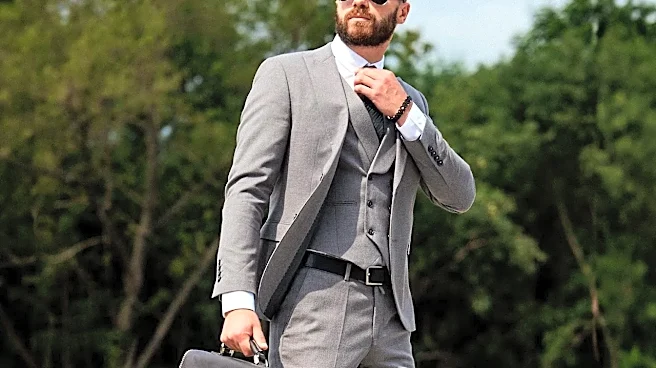
At its heart, the divide is philosophical. British tailoring, born from the traditions of London's Savile Row, has its roots in military uniforms and aristocratic dress codes. The goal is to create structure, projecting authority and timeless formality.
It’s a suit that builds a shape around the wearer. Italian tailoring, by contrast, is an expression of “sprezzatura”—a uniquely Italian concept of studied nonchalance and effortless elegance. Emerging after WWII as a lighter, more comfortable alternative to the rigid British style, it prioritizes natural movement and personal flair. It’s a suit that moves with the wearer.
The Tale of Two Shoulders
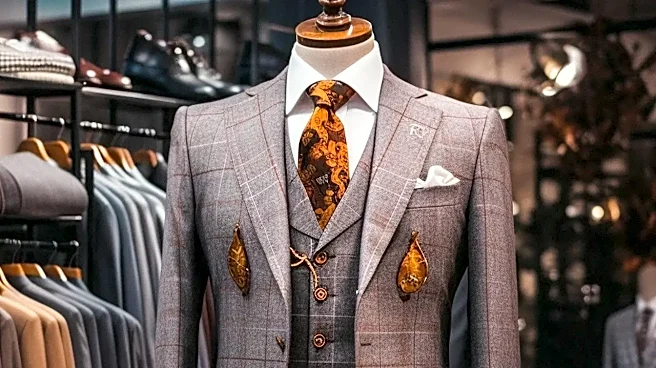
Nowhere is the philosophical difference more visible than in the shoulder. The classic British suit often features a “roped” shoulder, where the sleeve head is attached slightly higher than the shoulder seam, creating a small, raised ridge that looks like a rope. This adds structure and creates a powerful, almost architectural silhouette. The quintessential Italian shoulder, particularly from Naples, is the “spalla camicia,” or shirt shoulder. This style has little to no padding, allowing the jacket to drape naturally over the body like a shirt. This creates a softer, more relaxed look that prioritizes comfort and freedom of movement.
Fabric, Weight, and Construction
The choice of fabric is directly influenced by climate and culture. British tailoring traditionally favors heavier, more durable cloths like tweed, flannel, and robust worsted wools. These materials are ideal for the damp, cooler weather of the UK and are built to last for decades. The construction is typically more substantial, with a full canvas lining that helps the jacket maintain its shape. Italian tailors, especially in the south, work with much lighter fabrics. Luxurious, breathable materials like high-twist lightweight wools, linen, and silk blends are common, designed for the Mediterranean climate. This is often paired with minimal or no lining, resulting in a jacket that feels almost weightless.
Silhouette, Cut, and Details
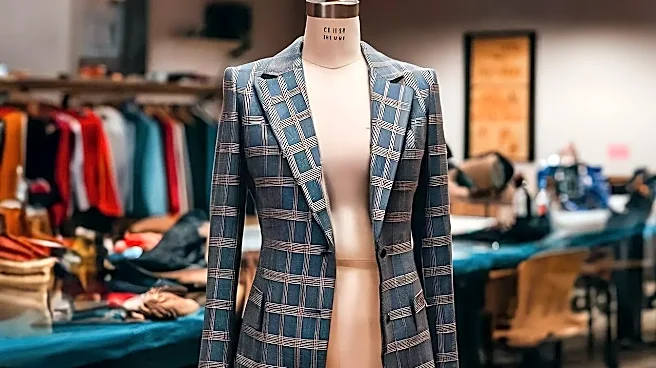
The overall cut of each suit tells its own story. A British suit jacket is typically longer, with a suppressed waist and often two vents in the back—a holdover from equestrian traditions. The button stance is lower, and the pockets are often more formal, such as jetted or flapped styles. Trousers tend to have a higher rise and a fuller cut. Italian suits, particularly from Naples, feature a shorter jacket, higher armholes for better movement, and a closer fit to the body. Details are more expressive; you might find patch pockets, wider lapels, and the distinctive “barchetta” (little boat) breast pocket, which curves gently like the hull of a small skiff. These elements contribute to a more modern and fluid silhouette.