





It All Starts With the Loom
The fundamental difference between selvedge and regular denim is the machine used to weave the fabric. Selvedge denim is made on old-fashioned shuttle looms. Imagine a wooden shuttle flying back and forth, carrying a single continuous thread to create
a tightly woven, narrow bolt of fabric. This process is slow and methodical. Regular denim, on the other hand, is made on modern projectile looms, which are vastly more efficient. Instead of a continuous shuttle, these looms shoot individual threads across a much wider area, cutting them at the edge. This speed and scale are why most jeans in the world are made this way.
The Famous 'Self-Edge'
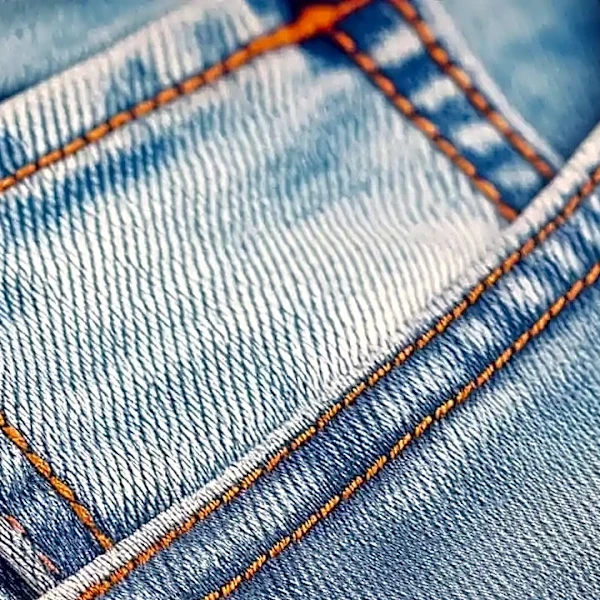
That difference in weaving creates the most famous tell-tale sign of selvedge: the “self-edge.” Because a shuttle loom uses one continuous thread, the edges of the fabric are cleanly sealed, preventing them from fraying. This finished edge, often marked with a colored line of thread (traditionally red), is what you see when you cuff a pair of selvedge jeans. It's a badge of honor for denim fans, signaling traditional production methods. Regular denim's cut edges would unravel, so they must be stitched over with an overlock seam, which is what you'll find on the inside of most mass-market jeans.
How They Feel, Fade, and Age
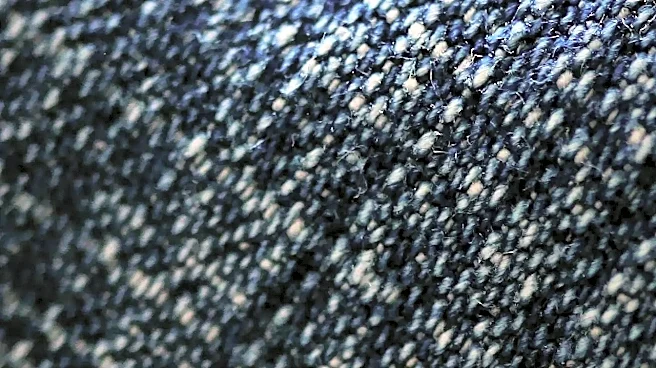
In practice, the biggest difference for the wearer is how the jeans evolve. Selvedge denim is typically denser and often sold in a “raw” or unwashed state, making it feel stiff and substantial at first. As you wear it, the fabric softens and molds to your body, creating unique fades, creases, and honeycombs that are entirely your own. This aging process is prized by enthusiasts. Regular denim is often pre-washed or distressed to be soft and comfortable from the first wear. While convenient, this means the fading process is largely artificial, and the jeans won't develop the same personal character over time.
The Durability Question
A common claim is that selvedge denim is inherently more durable. The tight, dense weave produced by shuttle looms does result in a sturdier fabric that's more resistant to wear and tear. The self-finished edge also means the outseam won't unravel. However, durability also depends on the quality of the cotton and the weight of the fabric. Premium regular denim can still be very long-lasting. The real advantage of selvedge is that its robust construction is specifically designed to withstand years of wear and develop character, while many regular jeans are designed for immediate comfort and style.
Explaining the Price Tag
There's no getting around it: selvedge jeans are more expensive. This isn't just a brand markup; it’s a direct result of the manufacturing process. Shuttle looms are dramatically slower, producing fabric at a fraction of the speed of modern looms. The looms themselves are vintage machines that require skilled operators and maintenance. Furthermore, because the fabric is narrower, it takes more material to produce a single pair of jeans. When you buy selvedge, you're paying for the time, craftsmanship, and higher-quality materials that are typically used in its production.
So, Which Is Right for You?
Choosing between selvedge and regular denim is less about which is “better” and more about what you want from your jeans. If you appreciate heritage, want to create a personalized garment that tells your story through fades, and see clothing as a long-term investment, selvedge is worth exploring. It’s an experience. If you prioritize immediate comfort, a lower price point, and a wide variety of washes and styles available right off the rack, then modern regular denim is the perfect, practical choice. It delivers consistent style and comfort without the break-in period or extra cost.