
The Age of the 'Activation'
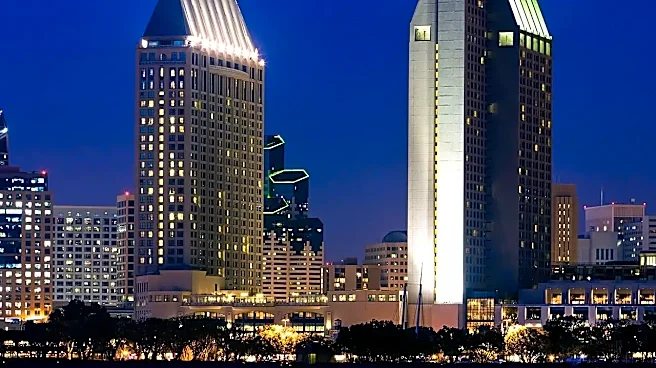
It’s no longer just about a booth on the convention floor. In the streets surrounding the San Diego Convention Center, a high-stakes battle for attention rages on. These are the 'activations' or 'experiences'—sprawling,
multi-million dollar marketing installations designed to immerse you in the world of a new show or movie. One year, you might find a full-scale recreation of a fantasy castle; the next, a multi-sensory journey into a sci-fi silo or a training academy for a new superhero team. These offsite events, many free and open to the public without a Comic-Con badge, are designed by brands to turn passive fans into active participants, generating a tidal wave of social media buzz through spectacular photo opportunities. The goal is to dominate the visual landscape and create an unforgettable impression that cuts through the noise of hundreds of other exhibitors.
The Spectacle Paradox
The irony is that in the quest to create a memorable experience, the human element can get lost. The bigger the activation, the longer the line, with fans reporting waits of four to five hours for an experience that may only last a few minutes. Instead of feeling like a valued guest, attendees can feel more like products on a conveyor belt, herded through a pre-packaged, rigidly timed experience. The primary takeaway becomes a photo for Instagram and maybe some branded swag, which can feel disappointing after a significant time investment. This 'spectacle paradox' is where the disconnect happens. Brands measure success in foot traffic and social media impressions, but fans are looking for something else: connection. The manufactured fun of a corporate activation can feel worlds away from the spontaneous joy of the convention itself.
What Fans Actually Want
So, if it’s not always the giant, expensive spectacles, what do fans remember? Often, it’s the smaller, more authentic moments. Studies and fan discussions show that the core appeal of conventions is community and a sense of belonging. Fans crave genuine interactions, not just transactions. The most cherished memories are often unplanned: bumping into a favorite comic artist in Artists’ Alley, an impromptu Q&A with a showrunner in a hallway, or discovering an indie game and chatting with its passionate creator. These moments feel personal and unscripted. They reinforce a fan's identity as part of a tribe, a feeling that a heavily branded photo-op simply can't replicate. It taps into the desire to be seen and valued, not just marketed to.
When Big Budgets Get It Right
This isn't to say every large-scale activation fails. Some brands manage to merge scale with soul. The most successful ones often offer more than just a photo-op; they provide utility, generosity, or genuine narrative depth. For example, an activation that provides a place to sit, recharge, and enjoy a free themed snack can be a huge hit with tired attendees. Others succeed by creating a truly immersive story-driven journey with interactive challenges that make the fan a hero. When an activation respects the fan's time, offers a unique and high-quality takeaway (beyond a cheap keychain), and is staffed by people who genuinely 'get' the culture, it can create a powerful, positive connection. The key is moving from passive viewing to active participation, making the fan feel like a part of the story, not just an audience for an ad.