



The Art of Organized Chaos
On the surface, shooting reality TV might seem easier than a scripted drama. There are no complex lighting setups for every single shot and no meticulously planned actor blocking. But that’s a misconception. The challenge for a reality cinematographer
isn’t just capturing footage; it’s capturing usable action and story-defining reactions in real-time, often under grueling conditions. These camera operators are a unique blend of athlete, artist, and psychologist. They have to be physically fit enough to run with a heavy camera rig, creatively minded enough to frame a beautiful shot on the fly, and socially adept enough to read a room and predict when the next big moment will erupt. It’s a craft that requires an entirely different skill set, one that the Creative Arts Emmys have rightly come to recognize as a formidable discipline.
Predicting the Unpredictable
How do you film something when you don't know what will happen next? For reality cinematographers, the key is commitment and anticipation. An experienced operator learns to feel the rhythm of a conversation or the rising tension in a room. They might employ a "man-to-man" coverage strategy, with each camera operator assigned to a specific cast member, ensuring no reaction is missed. In other, more chaotic scenes with large groups, they might switch to "zone coverage," breaking the crowd into smaller visual groups to create mini-scenes within the larger event. In a viral clip, veteran reality camera operator Sherri Kauk advises committing to a shot. If you're focused on one person and another starts talking, whip-panning back and forth creates unusable footage. The better choice is to hold the shot, capture the listening reaction, and then decisively move to the next subject. This disciplined approach ensures the editors have clean, coherent moments to build a story from.
Gear Built for the Grind
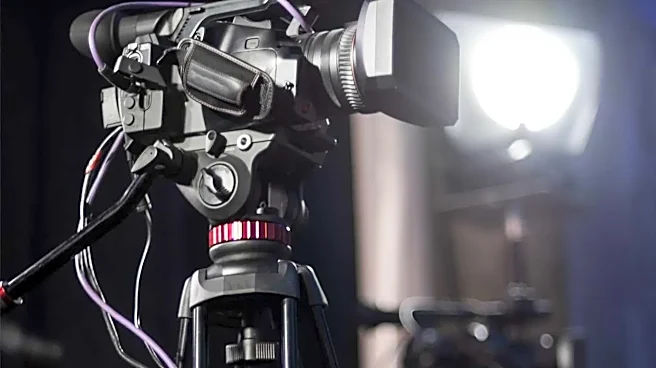
While a scripted film might favor a high-end cinema camera for pristine image quality, reality television prioritizes flexibility and speed. Cinematographers often use smaller, more nimble cameras like the Canon C300 or Sony FS7, which allow them to move quickly with minimal crew support. These productions push equipment to its limits, requiring systems that are incredibly reliable over long recording days in challenging environments—from the deck of a crab boat on Deadliest Catch to a remote tropical island on Survivor. The modern reality toolkit is vast, incorporating everything from drones for sweeping aerials to discreet PTZ (pan-tilt-zoom) cameras that can be operated remotely, capturing spontaneous moments without a camera operator’s presence interrupting the scene. This technological ecosystem is designed for one purpose: to ensure that when a once-in-a-lifetime moment happens, a camera is rolling.
Storytelling on the Fly
A reality cinematographer is more than a camera operator; they are the story's first editor. They are constantly making choices about what to focus on, whose reaction is most important, and what details will help build a narrative later. A shot of a contestant's nervous hands, a glance between two rivals, or a wide shot establishing a feeling of isolation—these are all conscious choices made in a split second. They even learn to find gold during the breaks. Operators are taught to keep rolling when a producer walks in or when the cast thinks filming has stopped, as these unguarded moments often provide the most honest and compelling reactions for the final edit. The goal is to collect a vast library of moments, both big and small, that can be woven together in post-production to create the dramatic arcs and emotional payoffs that define the genre. It's a high-pressure job where every decision can mean the difference between capturing television magic or missing it entirely.