

The Static Image Trap
In the age of Instagram, red carpet fashion has become dangerously obsessed with the static shot. Designers and stylists increasingly prioritize the single, perfectly art-directed image—the one that will go viral on social media and land on every best-dressed
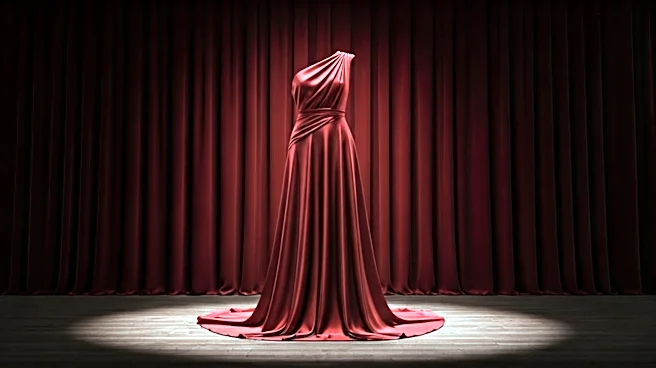
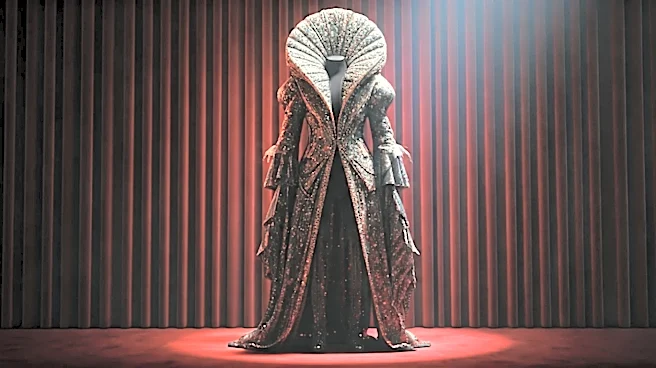
list. They create elaborate, architectural gowns with trains that require a team of fluffers to arrange them into a perfect circle on the carpet. For a few glorious seconds, it’s a masterpiece. The problem is that a person has to wear this creation, and that person has to move. The Tony Awards red carpet isn't a museum pedestal; it’s a thoroughfare. It’s a crowded, kinetic space where actors navigate reporters, photographers, and fellow nominees. A gown designed only for the posed photograph will inevitably fail in this environment. It becomes a tripping hazard, a tangled mess, or an awkward burden that the wearer has to physically drag, robbing them of their grace and power the moment they take a step.
The Art of Kinetic Drapery
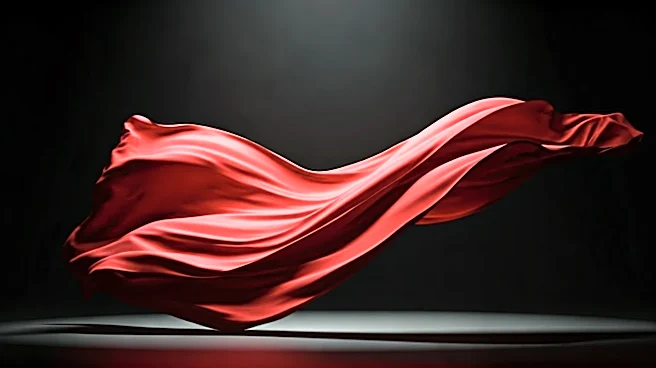
A great train isn't just an extension of a dress; it’s an instrument of performance. When designed for movement, it becomes a partner to the wearer, amplifying their presence. The secret lies in what we can call kinetic drapery—the strategic use of fabric, weight, and construction to create motion. Think of a lightweight silk chiffon that floats behind the wearer like a whisper, catching the air and creating a halo effect. Consider a more structured fabric like duchess satin, engineered to glide and ripple with a satisfying weight, commanding its own space without becoming unwieldy. The attachment point is crucial, too. A train that flows naturally from the small of the back or cascades from the shoulders will move more elegantly than one awkwardly tacked onto a hemline. The goal is symbiosis. The dress shouldn't just be *on* the body; it should move *with* the body, turning a simple walk from point A to point B into a piece of subtle choreography. It announces the wearer’s arrival before they even speak a word.
A Tale of Two Trains
To understand the difference, you only need to watch the videos, not just look at the photos. Recall Blake Lively’s transformative Versace gown at the 2022 Met Gala. Its giant bow unfurled into a cascading blue-green train, a piece of pure theater that was designed to happen in motion. The drama was in the action, not the static result. Contrast this with the countless beautiful, but ultimately clumsy, gowns we’ve seen over the years. These are the dresses with trains so heavy or voluminous they get caught on scenery, stepped on by other guests, or require the wearer to execute an awkward kick-and-walk maneuver just to move forward. The train ends up wearing them. A recent Tonys example of success was Jessica Chastain in her vibrant Gucci. The gown’s cape-like train was attached at the shoulders, allowing it to flow behind her freely, giving her an ethereal, commanding presence without hindering her ability to navigate the carpet and greet others with ease.
Dressing for the Stage
If there is any awards show where this principle matters most, it is the Tonys. This is not Hollywood; this is Broadway. The entire event is a celebration of live performance, of bodies moving through space to tell a story, of artists who command a stage for three hours straight. The fashion should reflect that spirit. A Tony nominee is not just a celebrity; they are a master of physical expression. Their red carpet attire should honor that dynamism. It should be theatrical, yes, but theatrical in the way a great costume is—it aids performance, it doesn't hinder it. A dress that only looks good when a stylist has spent five minutes arranging its hem is anathema to the spirit of live theater. It’s a pre-recorded, pre-packaged moment at an event celebrating the un-recordable magic of being live and in the moment.