
Your Brain on Autumn
First, let's talk biology. As the days shorten in the fall, our brains undergo measurable changes. The decrease in daylight exposure can lead to a drop in serotonin, the neurotransmitter that helps stabilize
our mood. At the same time, our bodies produce more melatonin, the hormone that makes us feel sleepy and can cause a sense of sluggishness during the day. This combination can lead to lower energy and mood, a phenomenon some experience as Seasonal Affective Disorder (SAD). While most of us don't have a clinical disorder, we still feel the shift. Our brains are essentially recalibrating for winter, and this can leave us feeling more introspective, subdued, and perhaps a bit more vulnerable—the perfect state of mind for a horror film that messes with your head.
The Primal Fear of Darkness
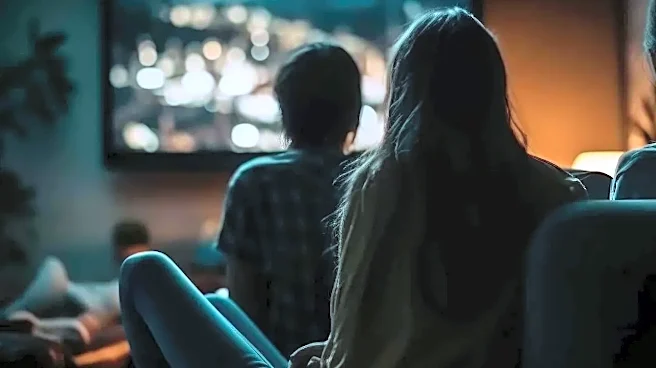
October’s long nights do more than just alter our brain chemistry; they tap into a primal fear. Humans are not nocturnal creatures. For our ancestors, darkness meant vulnerability to predators. That instinct hasn't gone away. When we can't see our surroundings clearly, our brains kick into high alert, filling in the gaps with imagined threats. This is an evolutionary survival mechanism. Studies have even suggested that we are biologically more sensitive to scary stimuli at night, regardless of the actual level of light. So when you're watching a film in a darkened room, with the night already settled outside, your mind is already primed for anxiety. The faint sound from upstairs isn't just the house settling; it’s a potential threat your brain is wired to notice.
The Cultural Permission Slip
Biology alone doesn't complete the picture. October provides the crucial cultural context. Halloween has evolved from ancient festivals into a modern celebration of all things spooky. This cultural saturation gives us a permission slip to engage with fear. It’s a designated time to explore themes of death, the supernatural, and violence in a way that feels communal and safe. Watching a horror movie becomes a seasonal ritual, like carving a pumpkin. This shared experience creates a framework where the anxiety produced by the film feels appropriate and even fun. It’s a phenomenon some call “safe fright,” where we get to experience the adrenaline rush of fear from the security of our couch, knowing the threat isn’t real. This cathartic release can even leave us feeling a sense of relief and resilience.
A Genre Built for Inner Turmoil
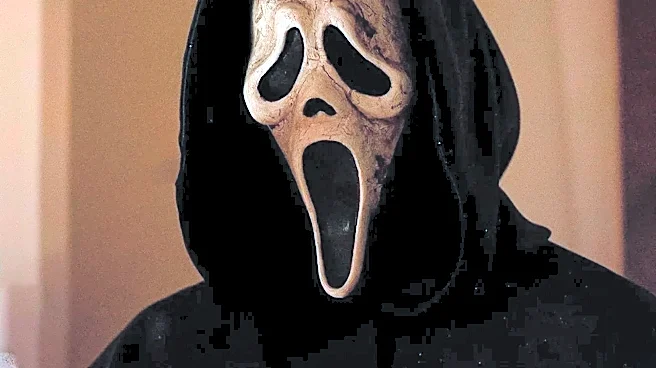
This brings us to the genre itself. Psychological horror is uniquely suited for this autumnal cocktail of biological and cultural priming. Unlike slashers, which rely on external threats like a masked killer, psychological horror mines its terror from within. These films explore the disintegration of reality, paranoia, and existential dread, making the protagonist's (and the viewer's) mind the primary source of fear. The horror in films like Hereditary or Black Swan comes from watching a character's internal state unravel. This focus on internal, unseen threats resonates perfectly with the introspective mood of fall and the fear of the unknown that darkness naturally conjures. It doesn't need to show you the monster in the closet; it makes you believe the monster is in your head.