



The Cyclops: More Than a Big Grump
First up is Polyphemus, the most famous of the Cyclopes. Forget any image of a lumbering, mindless giant; this one is the son of Poseidon, and he’s got a mean streak. When Odysseus and his men take shelter in his cave, they find themselves trapped. Polyphemus isn't
interested in the sacred laws of hospitality—he sees the Greeks as a walking buffet, munching on two sailors for dinner and saving the rest for later. The brilliance of this encounter isn’t the monster's brute strength, but how Odysseus defeats him. Our hero gets the giant drunk, tells him his name is “Nobody,” and then blinds him with a sharpened olive stake. When Polyphemus screams that “Nobody” is killing him, his fellow Cyclopes just shrug and go back to bed. The escape, clinging to the bellies of sheep, is a masterclass in cunning, but Odysseus’s pride in taunting the blinded giant is what earns him a long-term curse from an angry Poseidon.
The Sirens: The Ultimate Killer Track
The Sirens are not the mermaids you see in fairy tales. In early Greek art, they were depicted as unsettling bird-woman hybrids. Their threat isn’t physical. They don’t have claws or fangs in the traditional sense. Their weapon is their voice. They sing a song so enchanting that it makes sailors lose their minds, steering their ships into the rocks to perish in pursuit of the sound. But here's the hook: their song isn't just beautiful; it's a promise of knowledge. They sing of the past, the future, and all the secrets of the world. Odysseus, ever curious, can't resist. On the advice of the sorceress Circe, he has his men plug their ears with beeswax while he has himself tied to the mast. This way, he gets to hear the Sirens' cosmic secrets without dooming his entire crew—a perfect example of having your cake and eating it too, hero-style.
Scylla: The Unavoidable Loss
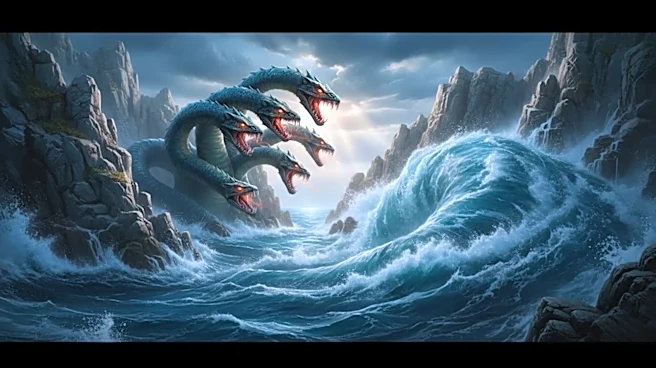
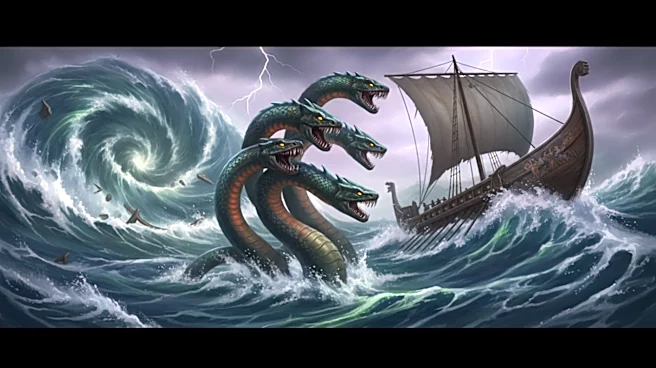
Welcome to the original “rock and a hard place.” Scylla is a nightmarish creature who lives high in a cliffside cave overlooking a narrow strait. She’s described as having twelve feet and six long, serpentine necks, each ending in a hideous head packed with three rows of sharp teeth. She’s an immortal, horrifying beast that cannot be fought or defeated. Circe warns Odysseus that as his ship passes, Scylla will strike, snatching one sailor for each of her six heads. There’s no negotiation, no clever trick that can save them. She represents the brutal reality of unavoidable sacrifice. As Odysseus and his crew sail past, distracted by the monster on the other side of the strait, Scylla strikes, and six men are plucked from the deck. Odysseus later calls it the most pitiful thing he’d ever witnessed on his travels.
Charybdis: The All-Consuming Void
On the other side of the strait from Scylla is Charybdis, and she’s the “hard place.” Not so much a creature as a sentient natural disaster, Charybdis is a monstrous whirlpool. Three times a day, she inhales a massive amount of seawater, sucking down anything—ships, men, debris—into her watery abyss, and three times a day she vomits it all back up. To get caught in her pull means total annihilation for the entire ship and crew; not even the gods could save them. This is why Odysseus is forced to make one of the toughest leadership calls in literature: sail closer to Scylla and guarantee the loss of six men, or risk Charybdis and the potential loss of everyone. He chooses Scylla, cementing the phrase “between Scylla and Charybdis” as the ultimate expression of being caught between two terrible options.