

The Gospel of the Hot Iron
For generations, the doctrine was simple: wrinkles are a sign of neglect. A crisp, pressed shirt, perfectly smooth tablecloth, or sharply creased pair of trousers wasn't just a style choice; it was a signal of care, diligence, and respect. This perspective
is rooted in a post-war ideal of domestic order and personal presentation. To show up with wrinkled clothes was to suggest you either didn't know better or, worse, you didn't care. Ironing was a fundamental household chore, a ritual to tame the chaos of the laundry basket and present a polished front to the world. For many Baby Boomers and older Gen X-ers, a wrinkle is a flaw to be eradicated. It represents a job half-done. The satisfying hiss of a steam iron and the resulting smooth fabric is the only acceptable conclusion to the washing cycle. To them, calling a wrinkle 'texture' sounds like a fancy excuse for being lazy.
The Romance of the Rumple
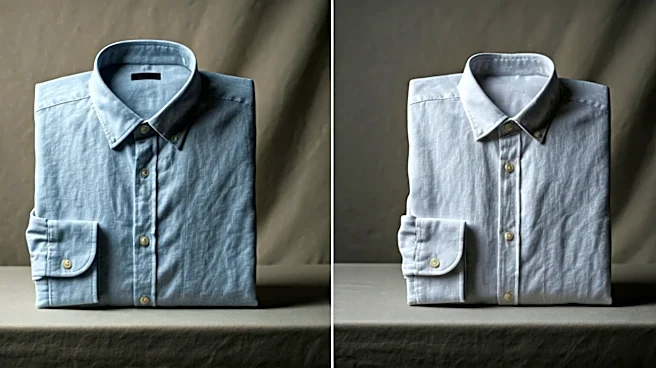
Enter the modern aesthetic, where imperfection is the new perfection. For many Millennials and Gen Z-ers, linen’s tendency to wrinkle isn't a bug; it's a feature. The rumples and crinkles are described as 'texture,' 'character,' or 'patina.' This view champions a relaxed, authentic, and slightly undone look. It evokes images of a leisurely vacation on the Amalfi Coast, a breezy walk through a farmer's market, or the quiet luxury of a 'coastal grandmother' who is too busy reading novels to be bothered with an iron. This isn’t about sloppiness but about a different kind of effort: the effort to look effortless. The ideal is to appear as though you just threw on a beautiful, high-quality piece and are naturally, elegantly at ease. In this world, an overly starched and pressed linen shirt can look stiff, formal, and trying too hard—the very things this aesthetic seeks to avoid.
From Household Chore to Status Symbol
The shift in perception is about more than just style; it’s deeply connected to the changing nature of labor and luxury. Historically, perfectly pressed linens were a status symbol because they signified you had the resources—either the time for the laborious task of ironing or the money to pay someone else to do it. Crispness was a display of domestic mastery and economic comfort. Today, the script has flipped. In an age of wash-and-wear synthetics and wrinkle-release sprays, choosing to wear a fabric that wrinkles easily, like 100% linen, is its own form of status signal. It says you can afford a garment that is inherently high-maintenance in its own way. More profoundly, choosing to embrace the wrinkles signals a luxury of a different sort: the luxury of not needing to conform to older, rigid standards of corporate or social presentation. It's the freedom to prioritize comfort and a specific, relaxed aesthetic over traditional notions of being 'put-together.'
A Truce in the Textile Wars
So, who is right? The iron-wielding traditionalist or the texture-touting modernist? The truth is, context is everything. The beauty of the 'wrinkles as texture' argument is that it has expanded our style vocabulary. A softly rumpled linen suit at a beach wedding is undeniably chic. A crumpled shirt in a conservative boardroom might still read as unprofessional. The divide isn't about one generation being right and the other being wrong; it's about the expansion of acceptable aesthetics. The modern approach doesn’t cancel the old one; it just offers an alternative. The key is intentionality. Whether you press your linen to a razor-sharp finish or let it crumple naturally, the choice itself is the statement. Understanding the different codes—when to be crisp and when to be casual—is the true mark of contemporary style fluency.