







The 'Mystery Box' Promise
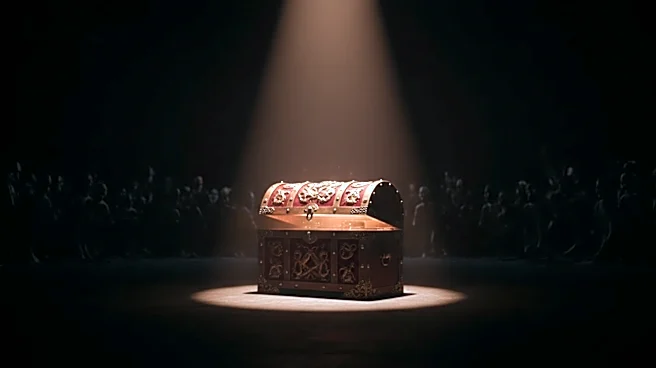
The strategy is often called 'mystery box' storytelling, a term popularized by director J.J. Abrams. The idea is simple: the suspense of not knowing what's in the box is supposedly more compelling than what's actually inside. In television, this translates
to seasons built on tantalizing questions, dangling threads, and the promise of an earth-shattering final reveal. Creators bet that a constant state of suspense will keep viewers hooked. The problem is, a story isn't a magic trick. While a mystery can drive a plot forward, when it becomes a gimmick to simply delay answers, audiences can sense it. The narrative contract shifts from 'let's go on a journey together' to 'just wait, we promise it'll be worth it.' This puts an immense, often unbearable, amount of pressure on the finale to deliver a payoff that justifies years of waiting.
When the Payoff Doesn't Land
History is littered with the corpses of shows that fumbled the final reveal. 'Lost' is the quintessential example; its intricate web of hatches, numbers, and smoke monsters culminated in a spiritual, character-focused ending that left many fans feeling that the core mysteries were dismissed. The dissatisfaction retroactively soured the entire journey for some viewers. More recently, 'Game of Thrones' spent eight seasons building complex prophecies and character arcs, only to resolve them in ways that felt rushed and unearned to a huge portion of its global audience. The issue is structural: when you save every major payoff, the finale becomes a frantic sprint of exposition and resolution, leaving no room for the story to breathe. It cheats the characters of meaningful, paced development and cheats the audience of the satisfaction of seeing consequences play out over time.
The Journey, Not the Destination
Contrast this with shows that understood the power of the journey. 'Breaking Bad' is a masterclass in narrative pacing. Its biggest moments weren't saved for the end; they were seismic events that happened mid-season, fundamentally altering the show's landscape. Think of Gus Fring's shocking death or Hank's discovery of Walt's identity. These weren't finales. They were escalations. By delivering major payoffs along the way, the show built momentum and allowed viewers to live with the consequences alongside the characters. The ending felt like the inevitable, tragic conclusion to a story that had been told, not a sudden answer to a long-held question. It proved that a series can be both surprising in the moment and satisfying in retrospect.
Beyond the Big Twist
The obsession with the finale-as-payoff misunderstands what makes a story resonate. It’s not just about learning the killer’s identity or the secret of the island. It's about emotional catharsis. It’s about watching a character’s philosophy be tested and transformed, not in one final monologue, but through a series of choices and consequences. Look at a classic film like 'The Godfather.' The devastating final sequence, where Michael Corleone solidifies his power, is powerful because it completes a transformation we’ve been watching the entire film. The ending doesn’t invent the meaning; it confirms it. When writers become too focused on guarding secrets, they often forget to tell the story in front of them, leading to filler episodes and last-minute info-dumps that feel cheap. A great narrative builds its power incrementally, making the ending feel both surprising and earned.