







The Math of Misfortune
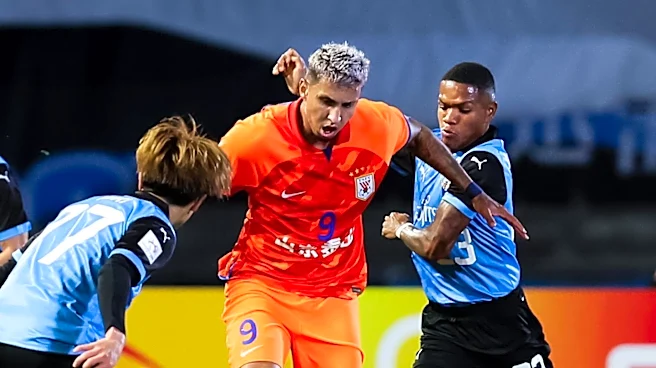
A striker's job is to fail, repeatedly. Top forwards might score with one out of every five or six shots. They are celebrated for the one that goes in, not condemned for the many that don't. Their performance is judged on a curve of volume and persistence.
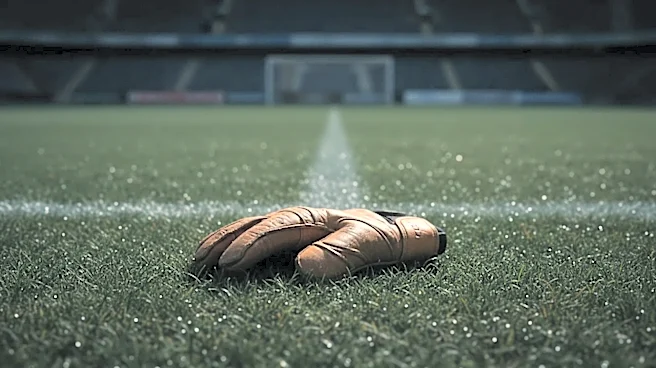
A missed shot is just a single data point in a long game of averages. The goalkeeper lives in a different mathematical reality. Their job is built on the expectation of perfection. A keeper can make ten brilliant, acrobatic saves, but if they let one soft goal slip through their hands, that single failure can erase all previous successes from the collective memory. The final score is not a tally of saves; it's a stark record of the balls that got past them. This unforgiving arithmetic ensures that a striker's miss is a temporary setback, but a goalkeeper's error is often the final word.
The Burden of Finality
In the narrative of a soccer match, strikers and goalkeepers play fundamentally different roles. The striker is the protagonist on a constant quest, creating chances, asking questions, and driving the plot forward. A miss is simply a subplot, a moment of tension before the next attempt. The goalkeeper, however, is the guardian of the story's integrity. Their mistake is not a plot point; it’s a plot twist that often ends the story. When a keeper errs, the result is a goal—a permanent, irreversible change to the state of the game. The ball is fished out of the net, the opponents celebrate, and the scoreboard displays the damage. It is a moment of stark, public finality, whereas a striker’s miss is absorbed back into the fluid motion of the game, a ghost of what could have been.
The Loneliest Job in Sports
Outfield players operate in a web of shared responsibility. A misplaced pass can be covered by a teammate; a defensive lapse is part of a collective failure. The goalkeeper stands alone. Wearing a different color jersey, often training separately, they are an individual within a team sport. This isolation is both physical and psychological. While a striker who misses a shot is immediately surrounded by teammates, ready to build the next attack, a keeper who concedes a goal is left alone with their thoughts, standing in the box while the rest of the team trudges back to the center circle. This isolation amplifies the feeling of personal responsibility. Former US international Brad Friedel noted you are "part of a team yet somehow separate," where success and failure are measured in real time with no gray areas.
The Psychology of Memory and Blame
Human attention is naturally drawn to moments of high drama and clear consequence. A striker's miss, especially if it's one of many, blurs into the background noise of a 90-minute match. A goalkeeper's blunder, however, is a singular, dramatic event. It's replayed, analyzed, and often becomes the defining highlight—or lowlight—of the game. This is because their mistakes directly and visibly lead to the opponent's success. There is no one else to blame. Consequently, goalkeepers must possess immense mental toughness, developing what some call "emotional amnesia" to forget an error and immediately reset. While a striker has the luxury of making it up with their next shot, a keeper must find a way to instantly regain composure, knowing the next mistake could be just as catastrophic.