



More Than Just a Pretty Dress
Before a single flashbulb goes off, a celebrity stylist's real work begins. Their job isn't just to pick a beautiful gown but to transform it into a piece of functional armor for a multi-hour event. The process is a collaboration between the stylist,
the star, and a trusted tailor. It starts with a vision that aligns with the celebrity’s personal brand, but quickly moves to practicalities. Every dress, whether a custom creation or a runway loaner, is assessed for its weaknesses. Will the fabric wrinkle after five minutes of sitting? Is the train a tripping hazard? Does the silhouette allow for breathing? This initial phase is less about glamour and more about risk assessment, ensuring the star feels confident and comfortable from the car to the after-party.
The All-Important 'Sit Test'
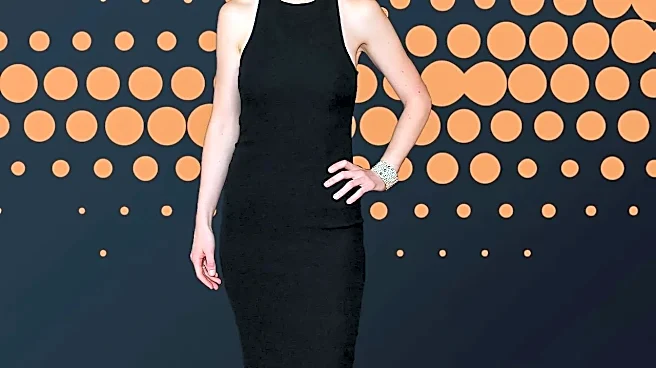
One of the first hurdles is ensuring the celebrity can actually sit down. Many couture gowns, with their rigid boning and form-fitting construction, are designed for standing mannequins, not actual human beings who need to sit through a three-hour ceremony. As seen at events like the Met Gala, stars in extremely fragile or constricting outfits have been unable to bend at all. Stylists and tailors work together to address this. Sometimes, that means strategically removing a piece of boning or adding hidden stretch panels. For slick, tight silhouettes, the underwear is critical; often, undergarments are sewn directly into the gown to create a seamless line, a trick used by stylists like Elizabeth Saltzman. This solves the issue of visible lines and ensures everything stays perfectly in place, even when transitioning from standing to sitting.
Engineering for Every Step
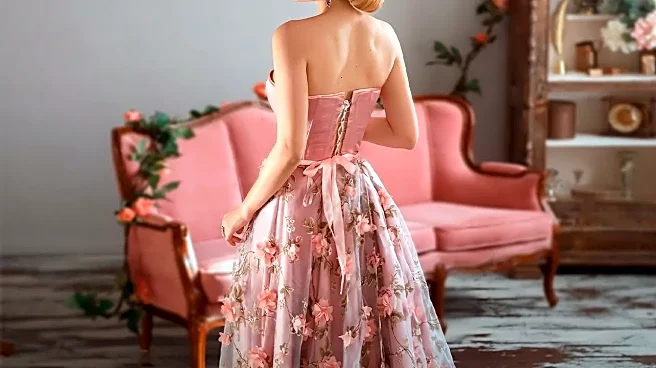
Walking gracefully in a floor-length gown is a practiced skill. Stylists often hold practice sessions with their clients to master movement in a specific dress and pair of heels. The technique often involves a subtle kick of the foot to move the dress hem forward, creating space to step without tripping. A high slit isn’t just for drama; it's a functional addition that provides the necessary room for a natural stride. For gowns with long, dramatic trains, like those often seen at the Met Gala requiring multiple assistants, stylists will add a bustle—a series of hidden hooks or ribbons that allows the train to be lifted and secured for easier movement after the initial red carpet photos are taken. This prevents the fabric from being stepped on and destroyed throughout the night.
Conquering the Grand Staircase
The theater steps are where fashion meets its biggest challenge. A gown that looks perfect on a flat surface can become a major hazard on a staircase. Kim Kardashian has famously documented her struggles with waddling sideways up stairs in skintight dresses. To avoid this, tailors employ a subtle trick: they hem the front of the gown just a fraction of an inch shorter than the back. This slight lift is imperceptible but provides crucial clearance for the toes. When ascending stairs, the proper technique is to use one hand to gently gather the skirt fabric to the side, lifting it just enough to clear the steps without disrupting the gown's silhouette. For the most voluminous gowns, an assistant is often on standby, but for most, this simple technique is the key to a flawless entrance.
The Stylist's Emergency Kit
No stylist arrives without their emergency kit, a purse-sized arsenal of quick fixes for any potential wardrobe malfunction. These kits are packed with essentials curated for high-stakes fashion moments. Key items include double-sided fashion tape for securing plunging necklines, an anti-static spray to prevent clinging, and a lint-remover sponge. Also included are a miniature sewing kit for last-minute repairs, stain remover wipes for accidental spills, and even deodorant to rub on the inside of tight shoes to prevent blisters and help feet slide in more easily. This kit is the stylist’s insurance policy, ensuring that no matter what happens, their client remains picture-perfect all night long.