


A Different Kind of Honor
When VH1 launched Hip Hop Honors in 2004, its mission was radically different from other music awards ceremonies. Instead of focusing on the past year's commercial successes, the show was conceived as a hall of fame, a space to formally recognize the foundational
architects of hip-hop culture. The inaugural class of honorees included pioneers like Run-DMC, Public Enemy, and Kool Herc, setting a clear precedent. This wasn't about who sold the most records; it was about who had the most impact and long-term influence. By dedicating its runtime to celebrating pioneers from the old school and golden age, the show acted as a corrective, giving the genre's history the prime-time reverence it had long been denied.
The Art of the Tribute
The show's true genius lay in its signature format: tribute performances. Rather than just watching archival clips, audiences saw contemporary stars—artists who were themselves at the top of the charts—perform the classic songs of their idols. The sight of the Beastie Boys covering Run-DMC's "Sucker MC's" in 2004, or Eminem and Black Thought paying homage to LL Cool J in 2009, created a powerful cross-generational dialogue. These weren't just cover versions; they were heartfelt, high-energy salutes that framed the honorees' work as foundational. This format elegantly demonstrated influence in action, showing a direct lineage from the pioneers to the current stars and cementing the honorees' place in the cultural lexicon for a new generation of fans.
Building a Canon on Primetime
In a pre-streaming world, television was a powerful arbiter of cultural importance. By dedicating an entire, nationally televised event to a handful of legends each year, VH1 was effectively curating a canon. The show told a massive audience, "These are the artists you need to know to understand this culture." It expanded its definition of "pioneer" beyond rappers to include graffiti artists, DJs, and even influential films like Wild Style. This curatorial approach was deliberate. It wasn't just a TV special; it was a recurring history lesson disguised as a block party, making the genre’s sprawling, often-unwritten history accessible to millions. Later editions, like the 2016 "All Hail the Queens" special honoring Missy Elliott, Queen Latifah, Salt-N-Pepa, and Lil' Kim, further enriched this canon, correcting the historical sidelining of women in the genre.
The Anti-Awards Show
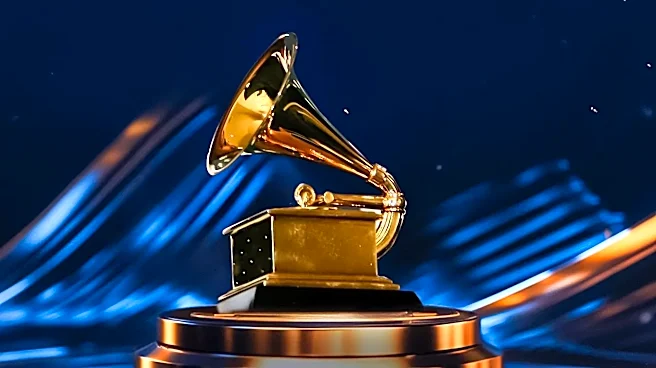
What truly set Hip Hop Honors apart was everything it wasn't. There were no competitive categories, no debates over snubs, and no manufactured drama. The central currency wasn't a gold-plated gramophone but respect. By removing the competition, the show eliminated the tension that often surrounds events like the Grammys and replaced it with pure celebration. Artists weren't pitted against each other; they were brought together. Performers shared the stage, a spirit exemplified in the all-star female MC unity performance of "U.N.I.T.Y." during the 2016 show. This collaborative, celebratory atmosphere made Hip Hop Honors feel more like a family reunion than a glitzy industry event, a place valued for its historical significance rather than its commercial value.