






Creating Power Through Height and Silhouette
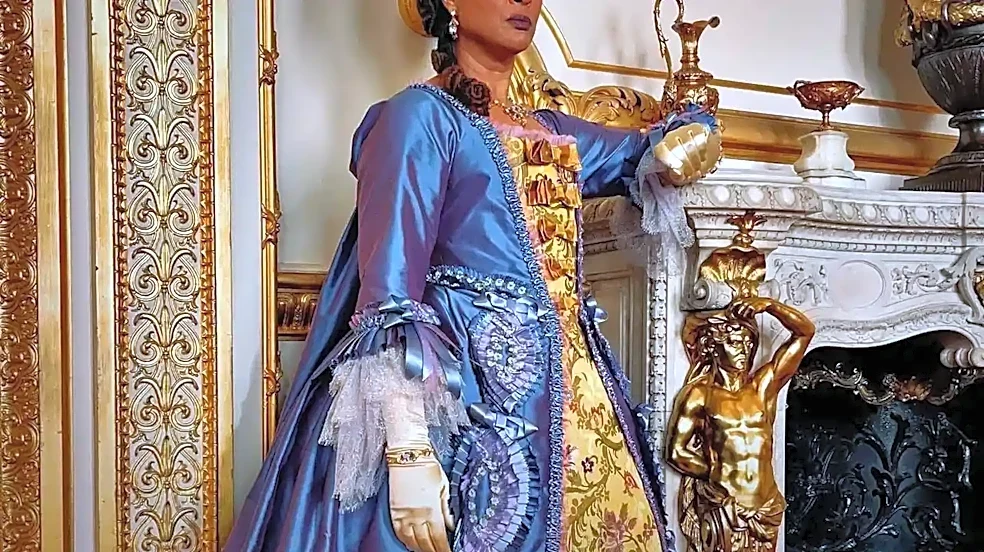
The first and most striking element is height. The iconic, rigid silhouette of both young and older Queen Charlotte tells a story of power, restriction, and the weight of the crown. For the younger Charlotte, played by India Amarteifio, designers created
corsets with elastic paneling and layered tulle petticoats instead of a full cage. This allowed her the freedom to climb walls and move with a youthful energy, reflecting her initial resistance to royal life. In contrast, the costumes for Princess Augusta were built with firm, restrictive corsets and the largest skirts in the show, physically limiting her movement and conveying her stiff, formal nature. As Charlotte grew into her role and accepted her power, her gowns became heavier and more structured, using double the fabric of a typical 'Bridgerton' dress—around 40 feet per gown—to build a silhouette that was both a fortress and a cage. This visual progression shows her transformation from a naive girl into a formidable monarch running a country in her husband's absence.
The Narrative Power of Hair
The wigs in 'Queen Charlotte' are characters in their own right, each telling a story of wealth, emotion, and identity. Working with hair and makeup designer Nic Collins, the team created towering, intricate structures that were deeply intentional. The styles moved beyond historical accuracy to incorporate Afro-inspired silhouettes and braids, celebrating Black culture and symbolizing strength and pride. Many wigs were colored to perfectly match Charlotte's outfits, creating another layer of opulent grandeur. The symbolism was often deeply personal. For her wedding day, Charlotte’s wig was adorned with jewels representing stars, a nod to King George's love for astronomy, designed to have a calming effect on him. Later, a wig featuring orchids was worn while discussing the need for an heir, with the flowers symbolizing fertility. These elaborate creations were not just accessories; they were extensions of Charlotte's personality, reflecting her power, her mood, and her connection to her king.
A Love Story Told in Jewels
Jewelry was the final layer of storytelling, weaving a thread of love and connection through the series. The collaboration between the costume and jewelry departments was vital to create a cohesive look from head to toe. For Paolo and Frecon, the process involved building, loaning, and renting pieces to coordinate with each gown, often embellishing the bodice and sleeves in addition to traditional necklaces and earrings. The most significant motifs were celestial. As King George's fascination with astronomy became a central part of their love story, stars and astrological signs began appearing in Charlotte’s costumes and jewelry, often placed literally close to her heart. This served as a constant, visual representation of her bond with him. Even the colors of the jewels and gowns were intentional; when Charlotte and George are emotionally connected, their color palettes are complementary. From diamond stomachers to bespoke rings, every piece was chosen not just for its beauty, but for its ability to communicate the unspoken emotional journey of the characters.
Weaving the Elements Together
The genius of 'Queen Charlotte's' costume design lies in the synthesis of these three elements. The gowns, wigs, and jewels were never designed in isolation. Paolo and Frecon orchestrated a massive team of over two-hundred people, including costume houses across Europe, to execute their vision. Each gown could take a month to create from start to finish. The designers established a softer, lighter palette and more mobile underpinnings for young Charlotte, reflecting her initial naivete. As she became hardened by her circumstances and the immense responsibility of the crown, her costumes grew heavier, her silhouette more rigid, and her adornments more encrusted, symbolizing the 'weight of the enormous work'. This thoughtful integration ensured that every time Queen Charlotte appeared on screen, her entire look—from the height of her panniers to the jewels in her hair—told a rich, cohesive story of her evolution, her power, and her enduring love for King George.