






The Essence Fest Homecoming
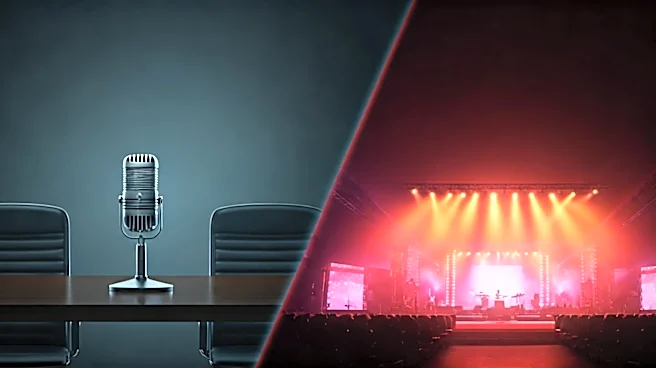
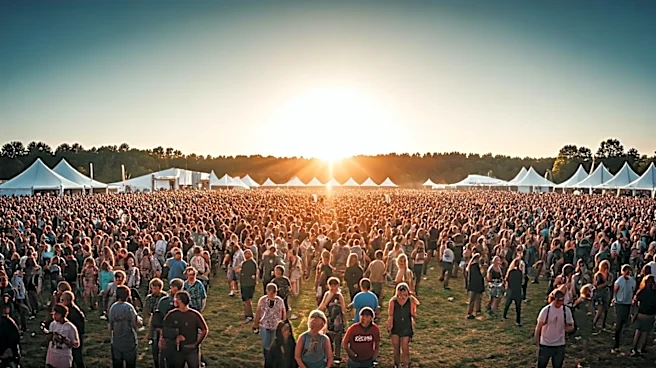
To understand the Tyler Perry who shows up at Essence Festival, you first have to understand the festival itself. Dubbed "the party with a purpose," Essence Fest is the largest annual celebration of Black culture in the United States. It's more than a music
festival; it's a four-day cultural immersion of empowerment seminars, community conversations, and celebration. For many Black Americans, particularly Black women, it's a pilgrimage. The atmosphere isn't one of critique; it's one of reunion and affirmation in a space curated by and for the community. When Perry takes the stage here, he isn't walking into an interview; he's stepping into a family room. The audience isn't there to challenge him. They are there to cheer for him, to see a reflection of their own stories in his success, and to receive the mix of humor, faith, and inspiration that defines his brand.
The Trade Publication Cross-Examination
Contrast that with an interview in a Hollywood trade publication like Forbes or The Hollywood Reporter. These interviews serve a completely different purpose. The audience isn't the general public; it's the industry. The questions are about power, strategy, box office numbers, and studio infrastructure. Here, Perry isn't just a storyteller; he is the founder of a 330-acre studio, a TV producer of the year, and a billionaire mogul who has disrupted Hollywood's traditional power structures. In this context, conversations are transactional and often guarded. He is speaking to competitors, investors, and critics who may not share his cultural background or understand the nuances of his target audience. The tone is less of a revival and more of a deposition, where he must justify his business model and defend his creative choices against long-standing criticisms.
A Conversation vs. an Interrogation
The core difference lies in the dynamic of the exchange. At Essence, Perry is engaged in a conversation. He can be expansive, pastoral, and even vulnerable. He shares messages about professionalism, excellence, and owning your own dreams. He might slip into the voice of Madea to the delight of the crowd, a move that lands as an inside joke among family. Conversely, trade interviews can often feel like an interrogation, particularly regarding the content of his work. For years, critics, including other prominent Black filmmakers like Spike Lee, have accused his work of relying on stereotypes. While Perry has defended his characters as representations of the people he grew up with, the questions in these forums force him into a defensive posture. He is no longer the celebrated son; he is a controversial figure needing to rationalize his empire to skeptics.
The Power of a Shared Language
Ultimately, the conversations land differently because of cultural context. At Essence Fest, there's a shared shorthand. References to church, family dynamics, and the specific struggles and triumphs of the Black American experience don't require translation. He has spoken at length about his love and admiration for Black women, who form his core audience, and at Essence, that love is reciprocated. It’s a space where he can discuss his work's impact on millions of viewers who feel seen by his stories, making critiques from outsiders feel secondary. In a trade interview, that shared context is absent. He is often positioned as an anomaly, an outsider who built an empire by serving an audience Hollywood ignored. This requires him to explain the 'why' of his success from a business perspective, stripping away the cultural and emotional resonance that defines his connection with his audience. The man who speaks of faith and healing at Essence becomes the man who talks equity stakes and streaming deals for Forbes.