







Glitz, Glam, and a Two-Minute Timer
The red carpet is a spectacle of celebrity and fashion, and there’s a certain thrill to its high-gloss chaos. But let’s be honest about what it is and what it isn’t. It’s a promotional tool, a branding exercise where publicists reign and questions are
as fleeting as the camera flashes. An actor, cornered for ninety seconds between a fashion blogger and a network affiliate, can hardly be expected to deliver a deep analysis of their character’s third-act motivations. They’re asked about who they’re wearing, on-set pranks, and whether they can tease the finale in one word. It’s entertaining fluff, designed for social media clips and morning show montages. It serves a purpose—building buzz and celebrating the cast—but it rarely offers any real substance about the art form it’s supposed to be honoring. The red-carpet interview is a snack; it's not the meal.
The Architect of the World
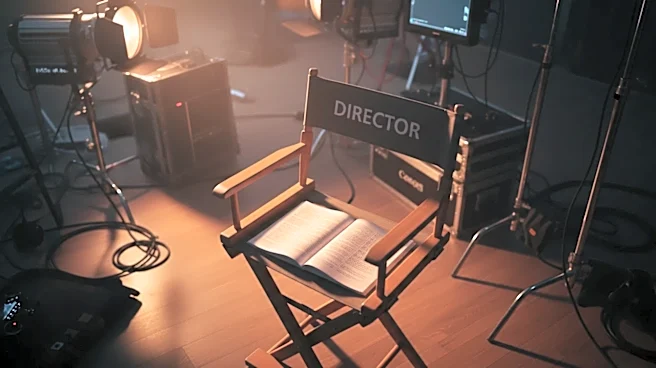
If you want to understand the meal, you have to talk to the chef. In television, that’s the showrunner. This role, a blend of head writer, executive producer, and creative visionary, is the single most important position in modern TV. While directors may rotate with each episode, the showrunner provides the consistent vision season after season. They are in the writers' room shaping every story arc, they oversee casting, they approve edits, and they fight with the network to protect the integrity of the show. A TV series is not just a collection of scripts; it's a world. The showrunner is the person who holds the map to that world—its history, its rules, its thematic core, and its ultimate destination. While actors inhabit a character, the showrunner inhabits the entire universe of the show. They are the closest thing television has to an auteur.
Beyond 'Who Are You Wearing?'
When a showrunner sits down for an in-depth interview, the conversation is fundamentally different. They aren’t just recounting a fun day on set; they are deconstructing the very architecture of the story. They can explain why a certain character made a shocking decision, linking it back to a thematic idea planted seasons earlier. They can discuss the real-world issues the writers' room was grappling with and how that translated into a specific storyline. They offer insight into the collaborative and sometimes contentious process of creation—the debates, the discarded ideas, and the happy accidents. An actor can tell you how it felt to say the lines; the showrunner can tell you why those were the right lines in the first place, how they were rewritten a dozen times, and what they secretly mean for the future of the series. This is the difference between seeing the finished building and getting a tour from the architect who designed it.
The Treasure Map for True Fans
So, where are these treasure troves of insight? They aren’t typically found on the red carpet. They live in long-form podcasts, trade publications like The Hollywood Reporter and Variety, and panels at television festivals. They are in deep-dive interviews on YouTube channels and in profiles written for culture magazines. Seeking them out is an intentional act. It requires moving past the algorithmically-served celebrity clips and looking for conversations with the creators themselves. For fans who truly love a show and want to appreciate it on a deeper level, this is where the real magic is revealed. Learning about the craft, the tough decisions, and the creative philosophy behind your favorite series doesn't diminish the viewing experience—it profoundly enhances it. It turns passive consumption into active, informed appreciation. Next time you finish a season of a show you love, skip the red-carpet clips and search for an interview with the showrunner instead. You’ll be surprised at how much more there is to the story.