


The Ultimate Creative Mandate
Imagine a project brief with only one real directive: be yourself, as fully and wildly as possible. This is the essence of “Radical Self-Expression,” one of the Ten Principles that form the cultural bedrock of Burning Man. It’s a call for participants
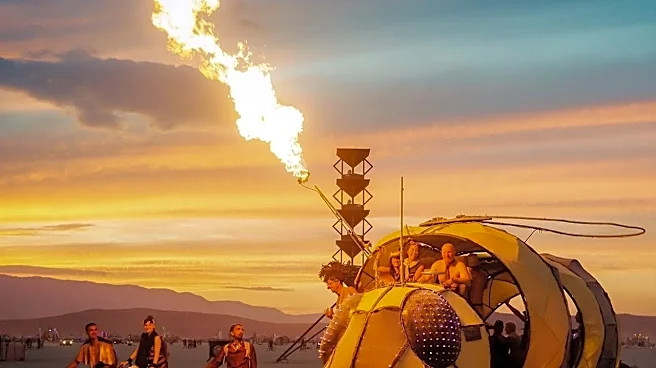
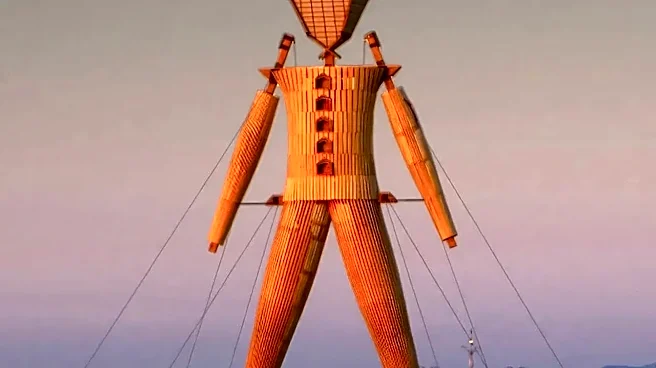
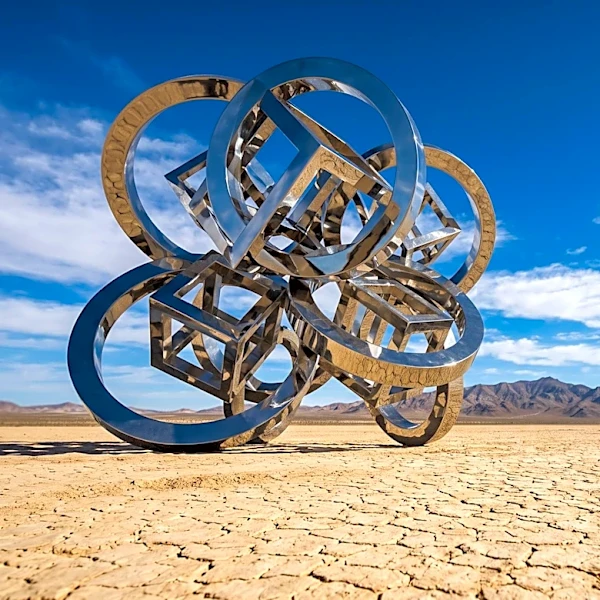
to bring their unique creativity to the temporary city. For artists and camp leaders, this isn’t just a suggestion; it’s the mission. The annual theme—for 2026, it’s 'Axis Mundi,' exploring interconnectedness—provides a conceptual starting point, but the execution is left entirely to the creators. The result is a sprawling, temporary open-air gallery featuring everything from towering interactive sculptures to fire-breathing mutant vehicles. Unlike a traditional festival, there is no curated lineup or passive audience. Every art piece and theme camp is a contribution, a gift to the community. This ethos is what fuels the creation of a sinking Titanic replica that doubles as an amphitheater or a 40-foot-tall beanstalk inspired by fairy tales.
Dreaming vs. Doing in the Dust
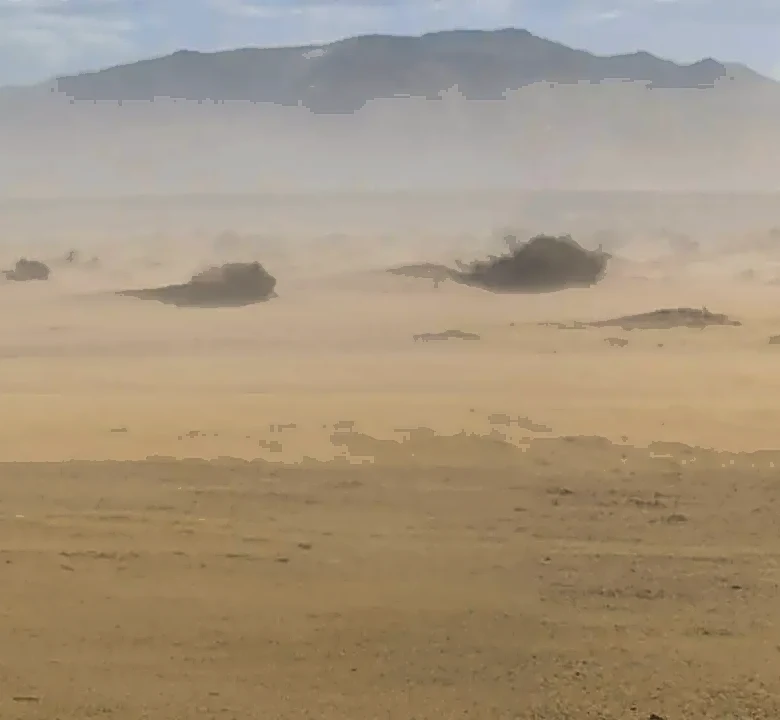
While the creative brief is liberating, the production reality is punishing. Black Rock City is one of the harshest environments imaginable for a construction project. There are no hardware stores, no permanent power grids, and no running water. Everything, from the largest steel beam to the smallest screw, must be trucked in across the dry lakebed, known as the playa. Artists and builders contend with alkaline dust that clogs machinery, unpredictable high winds that can topple structures, and extreme temperature swings. A project must be engineered not just for artistic impact but for survival. As one creator noted when discussing their modular design, the real challenge is getting “the engineering and the storytelling to hold together” on a tight timeline. Furthermore, every project is governed by the principle of “Leave No Trace.” After a week, the entire city, including every last wood splinter and sequin, must disappear completely.
The Non-Commercial Business Model
Compounding the physical challenges is the financial model. Burning Man’s principle of “Decommodification” means no commercial sponsorships, transactions, or advertising. While the official Burning Man Project awards partial funding to some artists through its Honoraria program—distributing $1.3 million across 75 projects in 2026—this often covers only a fraction of the cost. The rest must be sourced through community fundraising, personal savings, and sheer resourcefulness. The labor is almost entirely volunteer-based, with crews spending months planning, fabricating in workshops, and finally assembling on the playa. The rising costs of materials and transportation have become so significant that some long-running, iconic camps have had to bow out, citing the immense financial and operational lift. For example, transporting the infrastructure for just one major camp can require up to five semi-trucks.
The Currency of Community and Collaboration
So, if the environment is hostile and the money is scarce, how do these monumental projects succeed? The answer lies in another core principle: “Communal Effort.” The resource that makes Burning Man possible isn't cash, but collaboration. Artists and theme camps are not competitors but neighbors who share tools, advice, and heavy machinery. An art crew might find help from a neighboring camp with a crane, or a project running low on supplies might receive what it needs as a “gift” from another participant. This spirit is baked into the city’s design, with specific camps created solely to support artists. The team behind the “Golden Mean” snail car, for instance, built their dream vehicle with a small group of friends and family, motivated by the desire to inspire others to create. This collaborative, non-transactional ecosystem transforms the immense production challenge into a collective endeavor, proving that the most radical expression is often the one built together.