


It’s About Mood, Not Just a Dimmer Switch
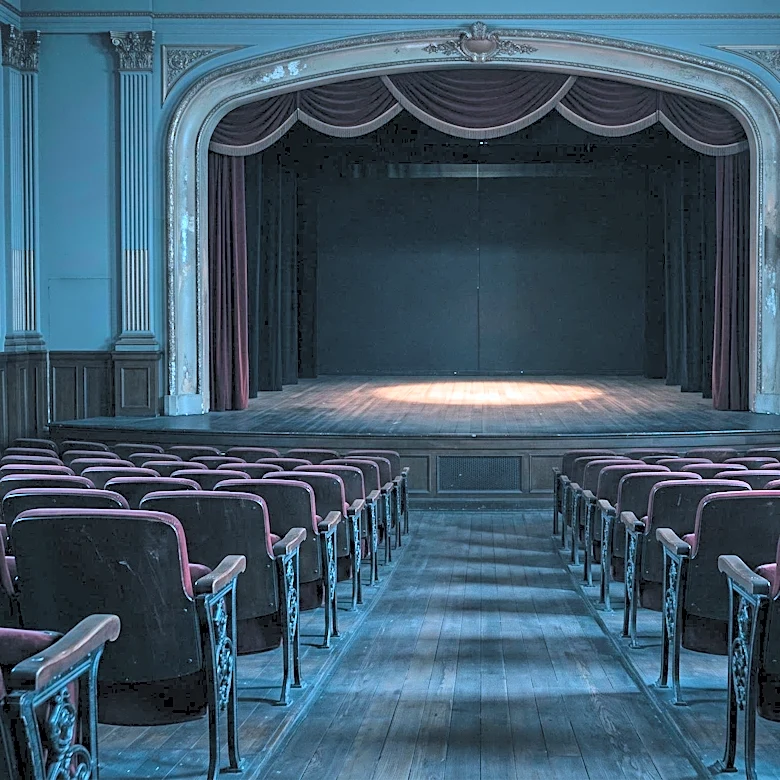
Before you curse the showrunners, understand the intent. Dark cinematography isn’t about making things hard to see; it’s about making you feel something. Drawing inspiration from film noir and German Expressionism, cinematographers use shadow as a storytelling
tool. Deep blacks and focused pockets of light can create suspense, signal moral ambiguity, or reflect a character's troubled internal state. Think of the critically lauded German series Dark, where specific color palettes and lighting styles were used to subtly distinguish different time periods. In shows like Alien: Earth or A Knight Of The Seven Kingdoms, both nominated for 2026 Emmys, darkness builds a world that feels dangerous, authentic, and immersive. The goal is realism—replicating the feel of a room lit only by firelight or moonlight—and forcing the viewer to lean in and pay closer attention to what, or who, is being illuminated.
The Technical Tightrope Act
Shooting in low light is a high-wire act for cinematographers. The less light available, the more the camera's sensor has to work, which introduces a dreaded element called digital “noise”—that grainy, fuzzy quality that can ruin an image. Cinematographers must perfectly balance their camera's settings (like ISO and aperture) with carefully placed, often minimal, practical lighting to capture a clean image. They are essentially painting with light on a nearly black canvas. This requires an immense level of precision from the director of photography and their lighting team. The line between a beautifully sculpted, moody shot and an indecipherable, noisy mess is razor-thin. It is an art of subtraction, deciding what details to hide in shadow to direct the audience's eye, and it is far more difficult than flooding a set with light.
The Streaming Sabotage
Here’s a frustrating truth: the beautifully crafted dark scene shot by an Emmy-nominated cinematographer might not be what you’re actually seeing. To deliver movies and shows over the internet without constant buffering, streaming services heavily compress the video files. This process saves data by removing information the algorithm deems less noticeable. Unfortunately, dark and shadowy areas of the screen are prime targets for this data reduction. The subtle gradients from black to gray get crushed, resulting in ugly blotches, blocky artifacts, and a loss of detail—a phenomenon called “banding.” So while the master file in the editing suite was perfect, the version streamed to your living room can look like a muddy mess, especially on larger 4K TVs that expose these compression flaws more readily.
Your TV Might Be Part of the Problem
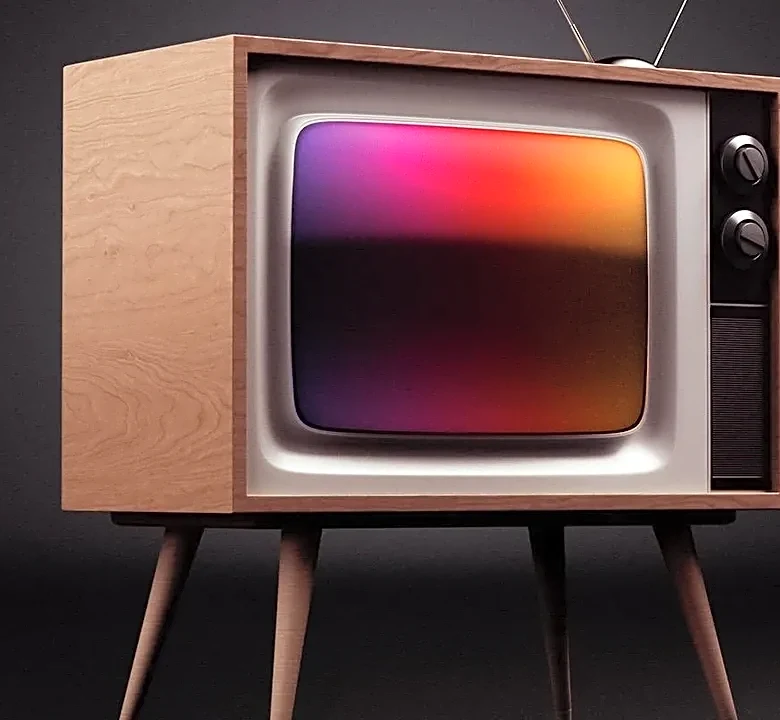
Before you fire off an angry tweet, check your TV settings. Most televisions come out of the box with settings designed to look impressive in a brightly lit store, not for cinematic viewing at home. Modes like “Vivid” or “Dynamic” often crank up the brightness and contrast to artificial levels. This can crush the blacks, blowing out the subtle shadow detail the cinematographer worked so hard to create. Turning up the brightness to see a dark scene better often just makes the image look washed out and amplifies those ugly compression artifacts. For a more authentic experience, try switching your TV to “Filmmaker Mode” or “Cinema” mode. These settings disable much of the aggressive post-processing and aim to present the image as the creator intended. Also, watching in a dark room minimizes screen reflections and helps your eyes adjust, making it easier to perceive detail in the shadows.