

Start with the Stage's Story
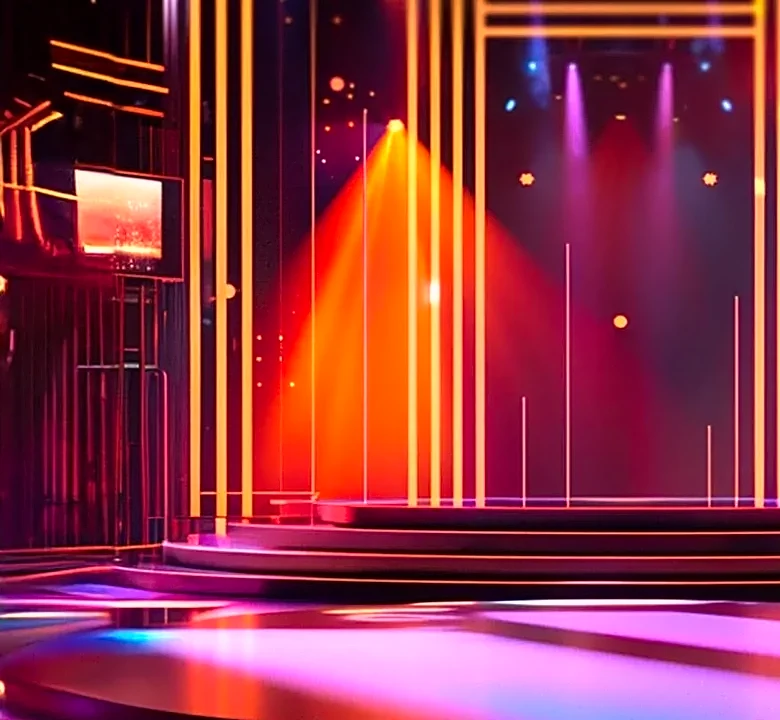
Before a single artist steps on stage, the set itself has already set the tone. When you're watching, don't just see a backdrop; see a narrative choice. Is it minimalist and stark, focusing all attention on the performer? Or is it a massive, multi-level
construction with moving parts and integrated video screens? The legendary VH1 Hip Hop Honors, which ran for years and last aired in 2017, was renowned for its reverence for the genre's history. Its stage design often reflected that, creating a space that felt both epic and intimate. When watching any show, ask yourself: Does the stage feel like a cathedral, a club, or a futuristic landscape? Production designers use physical space, from LED floors to automated, moving set pieces, to create a world. Watching how artists enter, exit, and interact with these custom-built environments reveals the first layer of the show's hidden language.
Follow the Light, Find the Mood
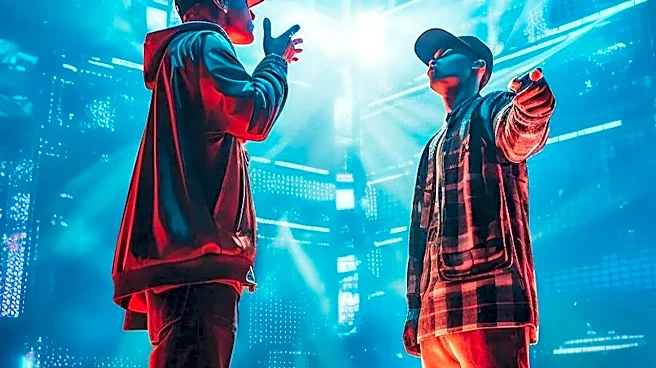
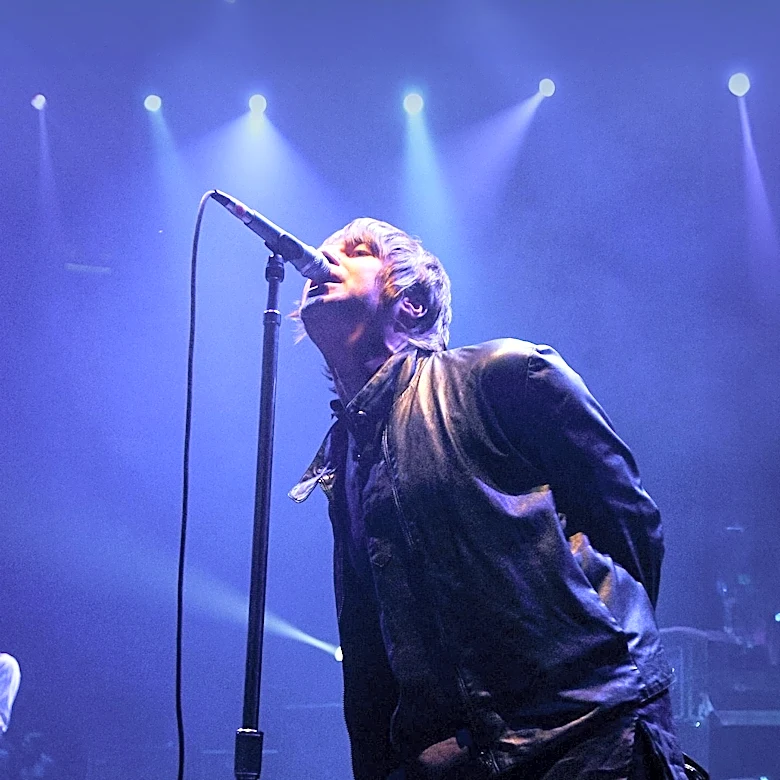
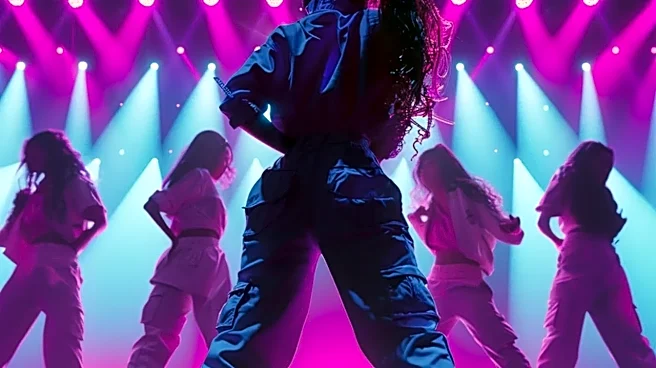
Lighting isn't just about making sure you can see the performers; it's the single most powerful tool for creating emotion. A great lighting designer paints with color, intensity, and movement. A wash of cool blue can evoke melancholy or introspection, while sharp, flashing strobes of red and white build intense, aggressive energy. Notice how the lighting shifts not just between songs, but within them. A single spotlight might isolate a rapper for an intimate verse, then explode into a full-stage spectacle for the chorus. Pay attention to the use of spotlights versus wide washes, the speed of the lighting changes, and the color palette. Is it chaotic and vibrant, or controlled and monochromatic? Each choice is designed to manipulate the audience's emotional response on a subconscious level, making it a critical part of the performance's success.
The Director's Invisible Hand
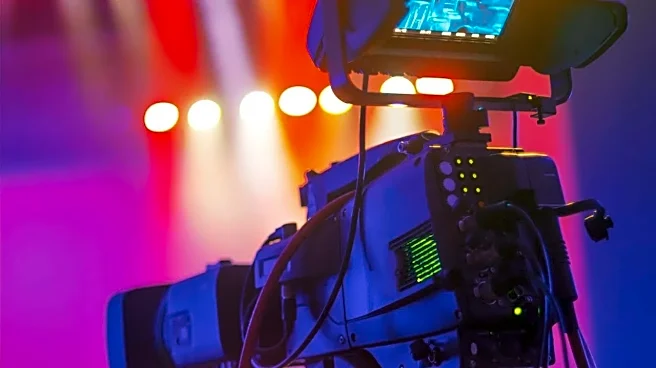
A live broadcast is essentially a movie being created in real time. The director in the production truck is calling every single camera shot, and their choices dictate your entire experience. Are you seeing a wide shot of the full stage, showing the scale of the performance? Or is it a tight close-up on the artist's face, capturing their emotion? Notice the rhythm of the cuts. Fast, frenetic cuts build excitement during a high-energy dance number. A long, lingering shot, by contrast, creates intimacy and allows a powerful vocal performance to breathe. Also, keep an eye out for crane shots that sweep over the audience, Steadicam operators moving fluidly on stage with the artist, and the strategic use of audience reaction shots to build a sense of shared experience. You're not just watching a performance; you're watching a director's interpretation of it.
What You're Really Hearing in the Mix
The sound you hear on your TV is not the same as the sound in the arena. Live audio engineers perform a delicate balancing act. Their primary goal is clarity. Can you hear the lead vocal clearly over the booming bass and the intricate beat? Is the live instrumentation balanced with any pre-recorded tracks? One key thing to listen for is the sound of the crowd. Engineers carefully mix in audience microphones to make the broadcast feel electric and alive. If you can barely hear the crowd, it can make a performance feel sterile. If it's too loud, it can overwhelm the music. Also, listen for the subtle effects on the vocals—a touch of reverb to make them sound bigger, or a clean, dry sound for raw intimacy. The audio mix is an art form focused on delivering a polished, powerful sonic experience that feels live but sounds perfect.
The Art of the Tribute
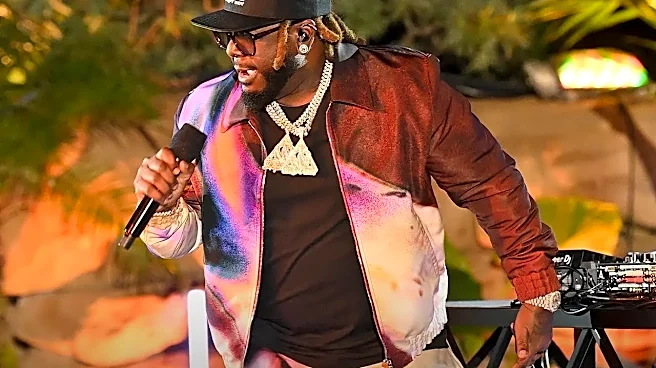
Shows like the Hip Hop Honors were celebrated for their tribute performances, where current artists covered the songs of the night's honorees. This is where production shines. These segments are mini-productions-within-a-production. Watch how the show transitions into them. Often, the stage design, lighting, and even the on-screen graphics will change to match the era of the artist being honored. For a tribute to 90s icons, the visuals might adopt a grittier, retro aesthetic. The production details in these moments are about more than just entertainment; they’re about historical reverence. They connect the past to the present and show how an honoree's influence has echoed through the generations, using every tool available—from archival footage on the big screens to the costumes worn by the tribute performers—to tell that story.