



The Sonic Fingerprint
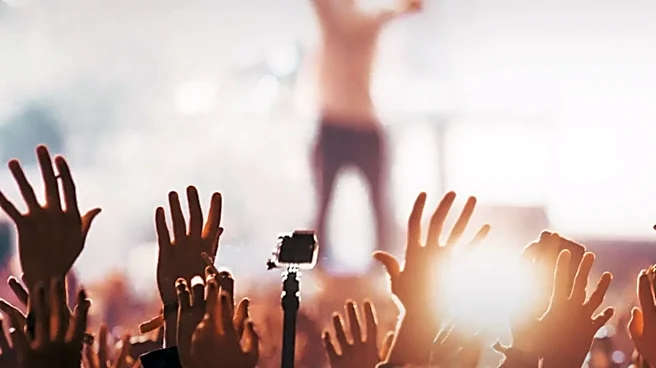
The most obvious element is, of course, the music. A festival lineup is a direct reflection of what was resonating on the airwaves and in our headphones in a specific year. The headliners are the megastars of that moment, but the undercard is even more
revealing. It’s a snapshot of burgeoning subgenres, one-hit wonders about to break, and indie darlings capturing the zeitgeist. Think of Lollapalooza in the early ‘90s, a touring showcase of alternative rock that defined a generation, or the rise of EDM DJs at festivals in the early 2010s. Iconic performances also lock a festival into its era. Jimi Hendrix’s distorted, fiery rendition of the “Star-Spangled Banner” at Woodstock in 1969 became an anthem for a generation grappling with war and cultural change. That single performance encapsulated the turmoil and electricity of the late 1960s counterculture movement.
A Snapshot of Style
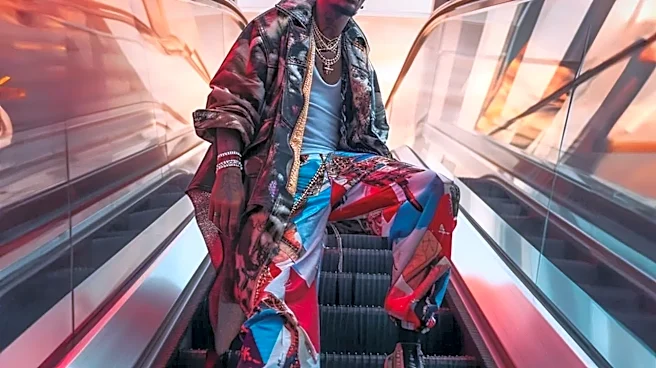
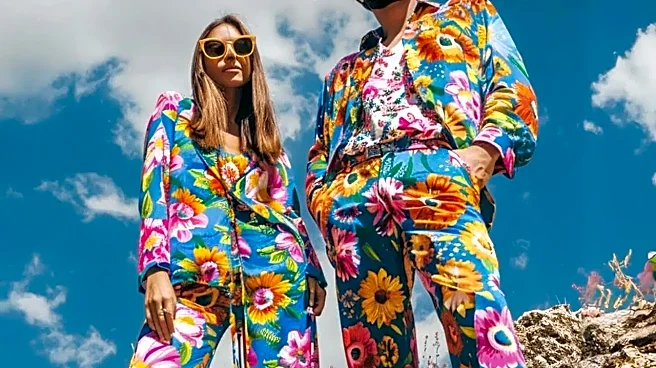
Nothing dates a photo faster than fashion, and festival grounds are a living runway of their time. The evolution of style at a single event like Coachella tells a story. The early 2000s were marked by a practical, grunge-adjacent look. By the early 2010s, it had morphed into a distinct boho-chic uniform of flower crowns, fringe, and crochet, heavily influenced by celebrities like Vanessa Hudgens and the aesthetics of platforms like Tumblr. As social media's influence grew, the style shifted again toward more curated, influencer-driven looks that blurred the lines between festival-wear and high-fashion photoshoots. The outfits aren't just clothes; they are artifacts of aspiration, reflecting whether the goal was to get lost in the music or to be seen on an Instagram feed.
The Technology of Togetherness
How we experience and share a festival is also a powerful timestamp. Pre-smartphone festivals exist in memory and professional photographs. The arrival of digital cameras and, later, social media platforms, fundamentally changed the dynamic. The early days of fan conventions like San Diego Comic-Con were about intimate, in-person discovery. Today's conventions are hybrid events, where the experience is simultaneously physical and digital, with conversations and communities forming online long before the doors open. The technology of the era dictates the festival's footprint. Is it documented in a dusty photo album, a Facebook gallery, a 15-second TikTok video, or a live-streamed virtual reality experience? Each format captures the moment differently, preserving not just the event but how we communicated about it.
The Cultural Mood Ring
Beyond the music and clothes, festivals absorb and reflect the broader social and political climate. Woodstock was inextricably linked to the anti-war movement and the ideals of the 1960s counterculture. More recently, Beyoncé's 2018 Coachella performance, nicknamed "Beychella," was a landmark celebration of Black culture and history, using the massive platform to make a powerful cultural statement. Even fan conventions reflect this evolution. What began as niche gatherings for comic book collectors have exploded into mainstream celebrations of billion-dollar film and television franchises, mirroring the shift in pop culture's center of gravity. These events become public squares where the dominant conversations, anxieties, and celebrations of the day are put on full display, whether intentionally or not.