


The Death of the Power Shoulder?
First, let's define the terms. Sharp tailoring is about creating a distinct shape, often using internal architecture like canvas, chest pieces, and significant shoulder pads. Think of the classic British suit, designed to give the body a clean, authoritative
outline. It’s a silhouette that projects confidence and control. Soft construction, on the other hand, prioritizes ease and movement. It relies on the fabric's natural drape, lighter internal structures, and patterns that work with the body rather than reshaping it. Driven by the rise of hybrid work and a cultural demand for comfort, this shift isn’t about becoming sloppy; it’s about a new form of elegance that doesn't feel restrictive. The focus moves from rigid structure to fluidity and a certain nonchalance, an approach long favored by Italian designers.
The Sanctity of House Codes
Before a designer can reinterpret a brand's look, they must deeply understand its “house codes.” These are the signature elements that act as a brand’s unique DNA, making its products instantly recognizable. For Chanel, it’s the tweed fabric, the camellia flower, and the interlocking CCs. For Gucci, it might be the horsebit detail or a specific red and green stripe. These codes aren't just logos; they can be a specific silhouette (like Dior’s New Look), a color palette, a type of hardware, or even a stitching technique. They are the consistent threads that run through seasonal collections, creating an emotional connection with the customer that transcends any single trend. To abandon these codes is to risk the brand’s entire identity.
The Toolkit for a Softer Silhouette
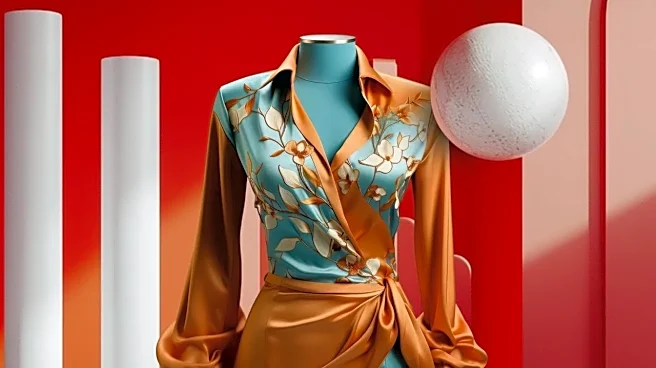
So, how do designers soften the structure while keeping the spirit? It's a three-pronged approach. First is fabric. Stiff wools are replaced with high-performance technical knits, fluid silks, or crepes that drape beautifully. Second is a technique often called “deconstruction.” This doesn’t mean destroying the garment, but rather rethinking its assembly. A designer might remove the entire lining of a blazer, use a lighter canvas, or create a “natural shoulder” with minimal padding that follows the wearer’s own shape. The goal is to reduce internal stiffness while maintaining a clean line. Finally, they adapt the house codes to the new form. A signature pocket detail from a structured blazer can be translated onto a soft, robe-like jacket. A pattern traditionally used on a formal coat might appear on a flowing, draped dress.
Putting It All into Practice
This evolution is happening across the industry. A brand known for its razor-sharp power suits might introduce a knit blazer that feels like a cardigan but retains the original's lapel shape and button stance. Victoria Beckham and JW Anderson, for example, have shown body-skimming silhouettes that rely on fabric and drape rather than heavy-handed seaming. Even brands rooted in classic tailoring are offering unlined or half-lined jackets that provide shape without the armor. The key is to distill the essence of a signature piece and rebuild it for a new context. Karl Lagerfeld was a master of this at Chanel; he famously said his job was not to do what Coco Chanel did, but what she would have done. He constantly reinterpreted her codes—the jacket, the pearls, the two-tone shoes—for the modern era, proving that a brand's identity can be fluid, not fixed.