
The Freedom From 'Good Girl' Perfection
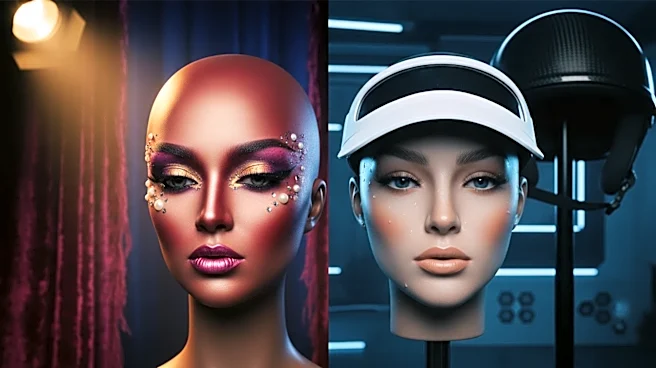
For generations, the default aspiration was hero glam: the wide, innocent eyes of a Disney princess or the wholesome, girl-next-door glow. This look represents purity, approachability, and an uncomplicated goodness. But it also comes with a silent contract
of perfection—a pressure to be perpetually pleasant, agreeable, and flawless. The recent pivot towards villain beauty is, in many ways, a direct rebellion against that pressure. The villain aesthetic offers an escape from the exhaustive performance of being 'good.' It celebrates complexity and rejects the notion that a person's, or a woman's, value is tied to their perceived innocence. Embracing a sharp cat-eye or a vampy lip is a way of saying you’re not afraid to be seen as intimidating, complex, or even difficult.
An Expression of Power and Agency
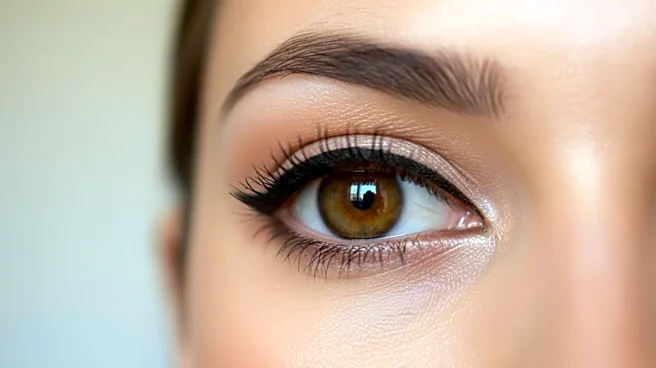
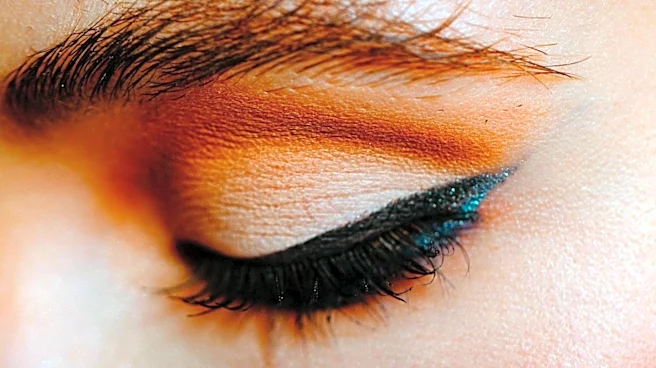
Think about the classic hero versus villain dynamic. The hero often reacts, defending the status quo, while the villain acts, seeking to disrupt it. This translates directly into their aesthetics. Hero glam is often soft and natural, while villain beauty is deliberate, sharp, and architectural. Consider the TikTok trend of "siren eyes" versus "doe eyes." Doe eyes are styled to look large, round, and innocent, while siren eyes are elongated, sharp, and seductive, designed to create a piercing gaze. Choosing the siren look is a performance of confidence and control. It’s a statement that you are the one with a plan, the one who is in charge of your own narrative. In a world where many feel powerless, adopting the look of someone who unapologetically takes what they want can be an incredibly empowering fantasy.
Relatability in Flawed Characters
Modern storytelling has given us villains who are no longer just cackling evil-doers. They are anti-heroes with tragic backstories, understandable motives, and deeply human flaws. Characters like Maleficent or Cruella de Vil are re-examined not just as monsters, but as complex figures shaped by their circumstances. We empathize with their pain, and in turn, their aesthetic becomes aspirational rather than purely sinister. This psychological depth makes them more relatable than the flawless heroes. They represent the parts of ourselves we’re often told to suppress: our anger, our ambition, our desires. By embracing their look, we give ourselves permission to acknowledge our own 'shadow self,' the hidden, more complicated aspects of our personality. It's a recognition that being human means being flawed, and there's a strange comfort in that.
The Allure of Main Character Energy
Ultimately, the appeal of villain beauty is about taking up space. Heroes often have to be part of a team or serve a greater good, making them relatable but not always the center of attention. Villains, by contrast, are always the main character in their own story. Their motivations, theatricality, and visual identity are laser-focused and unforgettable. They aren’t worried about being liked; they’re focused on being respected, feared, or simply noticed. This confidence is magnetic. The villain beauty trend is less about wanting to be evil and more about harnessing that unapologetic self-possession. It’s about walking into a room with the confidence of someone who knows exactly who they are and what they want, and isn't afraid to show it.