





More Than Just a T-Shirt
For the tens of thousands who descend upon the Javits Center, official merchandise is not the final product—it’s the raw material. A simple t-shirt, a convention-exclusive hat, or a collectible pin isn't just a souvenir; it's the first brushstroke in a larger
masterpiece of self-expression. Fans don't just buy what they love; they assemble it, creating a visual language that speaks volumes about their specific corner of pop culture. It’s a carefully curated collage, where a jacket from one fandom is adorned with patches from another, telling a story of their personal journey through different fictional universes. This act of curation transforms passive consumption into an active declaration of identity, making every outfit a unique statement.
The 'Ita-Bag' as a Fandom Gallery
Nowhere is this curated identity more visible than with the rise of the 'ita-bag'. These purses, backpacks, and bags feature a clear vinyl window specifically designed to display a collection of enamel pins, keychains, and charms without risk of losing them. The name, derived from the Japanese word for 'painful', originally poked fun at how over-the-top these displays could be. But fans have embraced the term, turning their bags into miniature, mobile art galleries. An ita-bag is a meticulously arranged shrine to a favorite character, ship, or series. Every pin is chosen and placed with intention, often secured with locking backs to survive the convention floor crush. It’s a living, wearable testament to one’s devotion, a conversation starter, and a way to find your people in a crowd of thousands.
The Art of Customization
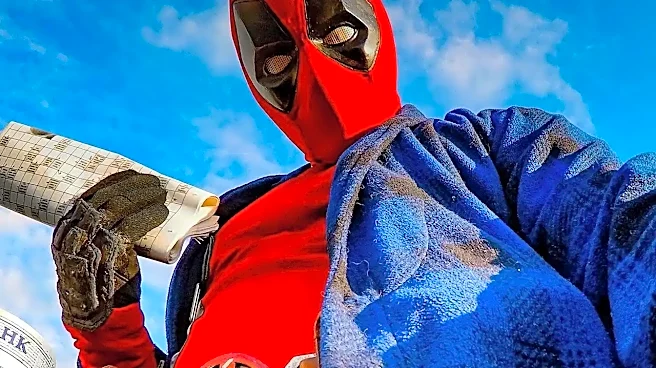
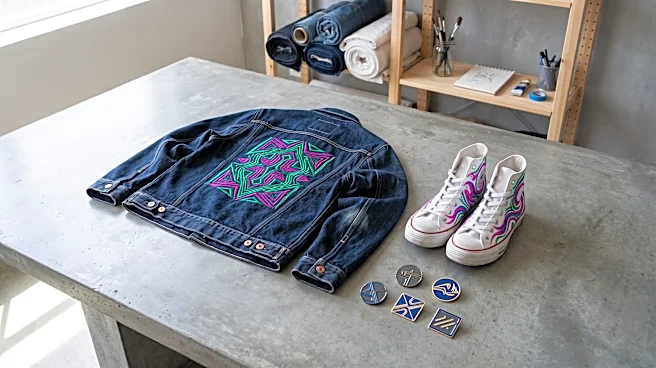
Beyond curation, there’s a deep culture of customization. This is where fans become designers, taking official merch and making it uniquely their own. T-shirts are cut and restyled, hoodies are covered in hand-sewn patches from Artist Alley, and denim jackets become sprawling canvases that document years of convention-going. Some fans dye fabrics, others add intricate embroidery, and many integrate pieces of merchandise into larger cosplay builds. This process is a direct rejection of mass-produced uniformity. It asserts that while the love for a character or story may be shared, the individual's relationship to it is personal. By altering the merchandise, the fan isn't just showing support for the brand; they are co-creating their own fandom experience.
A Language of Pins and Patches
Enamel pins are the unofficial currency of connection at NYCC. Sold by major brands like Funko and DC, and by countless independent artists in Artist Alley, these small metal objects are more than just accessories. They are signals. A specific pin can identify you as a fan of an obscure webcomic, a supporter of a particular artist, or someone who waited in line for a limited-edition drop. Pin trading has become a social ritual, a way to break the ice and bond with fellow attendees. The act of collecting, displaying, and trading these items builds a tangible sense of community. That collection on a lanyard or a jacket is a map of your tastes, a visual résumé of your fandoms that invites interaction and fosters a sense of belonging in the vibrant, chaotic world of Comic Con.