



The Old Guard of Glamour
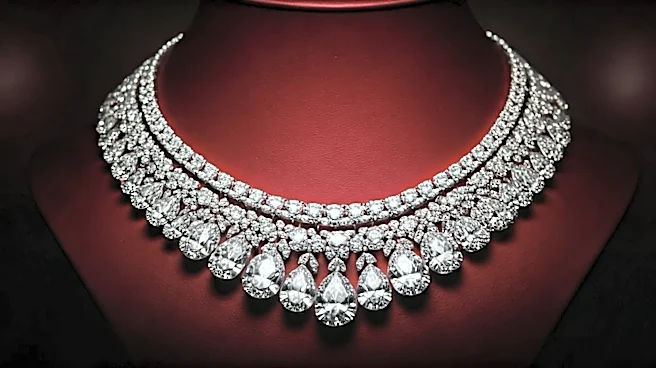
To understand the shift, you first have to remember what Cannes traditionally represents in the fashion world. Think of it as the elegant elder stateswoman of red carpets. While the Met Gala embraces theatrical themes and the Grammys lean into rock-and-roll rebellion, Cannes has always been the home of old-school Hollywood opulence. For years, the unspoken uniform consisted of sweeping princess gowns from Dior, Chanel, or Valentino, paired with jaw-dropping diamonds from Chopard or Cartier. It was about aspirational perfection—Grace Kelly elegance reincarnated for the modern era. The goal wasn't to challenge or provoke, but to embody a timeless, almost untouchable ideal of beauty. A safe bet, flawlessly executed, was the ultimate win.
Enter the Uncanny Valley
Then, the
script started to flip. The first major tremor was Bella Hadid at the 2021 festival. She arrived in a sleek black Schiaparelli gown, but it was what adorned her chest that stopped traffic: a gilded brass necklace in the shape of human lungs, its bronchi and alveoli branching across her décolletage. It was anatomical, bizarre, and utterly unforgettable. Since then, the surrealist streak has only widened. We've seen Hunter Schafer in an Ann Demeulemeester look featuring a single, stark feather as a top, creating an almost avian-human hybrid silhouette. Models like Coco Rocha have embraced architectural, reality-bending gowns that look more like wearable sculptures than clothing. These aren't just pretty dresses; they are conversation pieces rooted in the surreal—the uncanny, the dream-like, and the slightly unsettling. They play with anatomy, nature, and expectation in a way that classic glamour never would.
The Schiaparelli Effect
You can't talk about modern surrealism in fashion without talking about Daniel Roseberry's revival of Schiaparelli. The original house, founded by Elsa Schiaparelli in the 1920s, was built on collaborations with surrealist artists like Salvador Dalí. She was the one who created the infamous lobster dress and the shoe hat. For decades, that legacy was a historical footnote. But since Roseberry took the helm, he has masterfully updated that DNA for the 21st century. His designs—featuring gold-plated body parts, keyhole necklines, and trompe l'oeil anatomy—have become a go-to for celebrities who want to make a statement beyond mere prettiness. By making surrealism both chic and shocking again, Schiaparelli has given other designers and stylists permission to get weird. The house has created a new appetite for fashion that is intelligent, witty, and unapologetically strange, and its influence is now impossible to ignore on major red carpets like Cannes.
Fashion for the Attention Economy
So, why is this happening now? The most obvious answer is the modern attention economy. In an endless scroll of social media feeds, a simple, beautiful gown can easily get lost. A dress that looks like a ribcage, however, is guaranteed to stop thumbs. It’s meme-able, debatable, and shareable. Celebrities and their teams understand that a viral fashion moment can be as powerful as a film role in terms of building a personal brand. Beyond cynical clicks, there’s also a palpable post-pandemic desire for radical self-expression. After years of lockdowns and restraint, there is a collective urge to embrace the bold, the artistic, and the fantastical. Surrealist fashion offers an escape from the mundane. It’s a rejection of the hyper-curated, filter-perfect aesthetic that dominated Instagram for a decade, opting instead for something more visceral, emotional, and provocatively human. It’s fashion as art, not just adornment.