



The Battle of the Mix: Clarity vs. Power
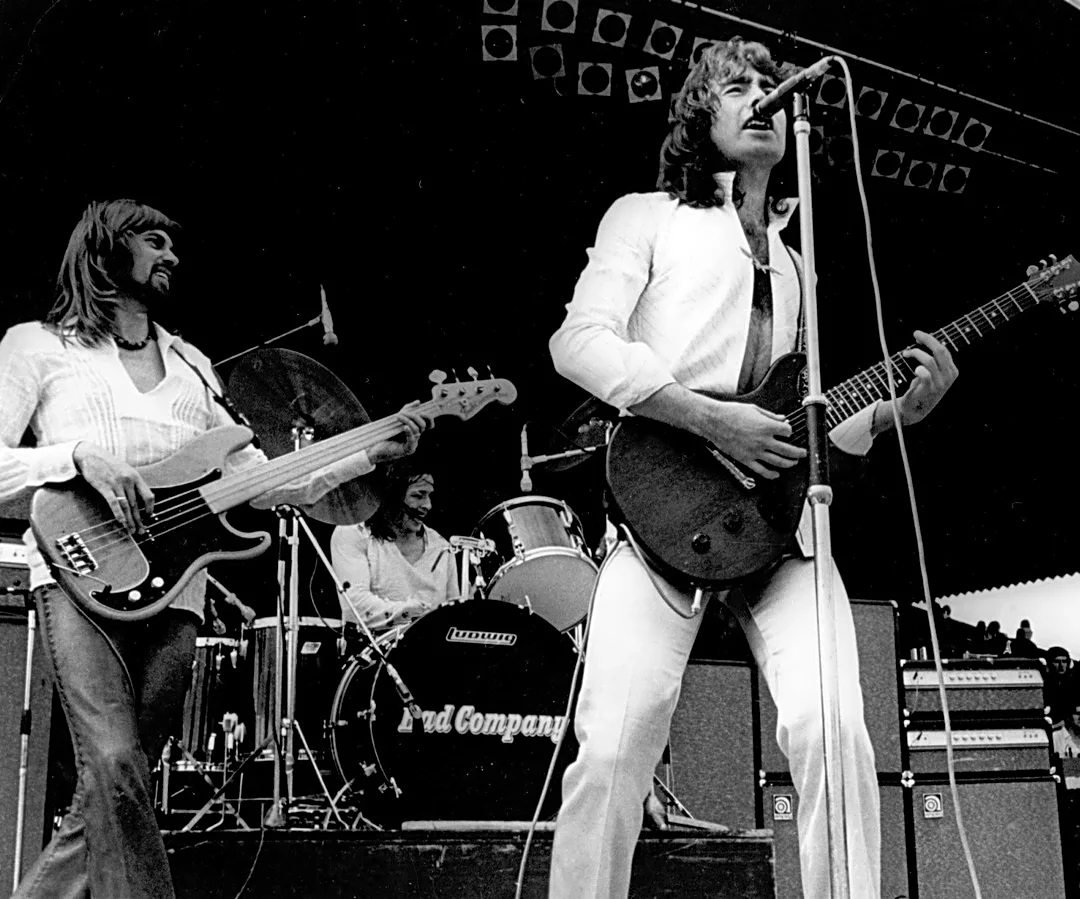
A great rap set at a festival often prioritizes raw power and vocal clarity over a thundering, complex beat. The goal is to move a massive crowd with visceral energy. Think of a Travis Scott or Playboi Carti performance; the mix is built around a heavy,
floor-shaking low end and a lead vocal that cuts through the noise, ensuring every ad-lib and bar is felt as much as it is heard. This approach is perfect for creating a high-energy, mosh-pit-inducing experience. However, apply that same 'power-first' mixing philosophy to a classic R&B set, and the results can be disastrous. R&B thrives on nuance, intricate vocal harmonies, delicate instrumentation, and emotional texture. When a sound engineer pushes the bass and compresses the vocals in the same way they would for a rap artist, the subtlety is crushed. The soulful runs of a singer like Kali Uchis or the gentle guitar work of a Steve Lacy can get lost in a muddy, booming mix designed for a different kind of impact. The result is that an intimate performance feels distant and unintelligible, robbing the audience of the connection that makes R&B special.
More Than a Backdrop: Staging and Visuals
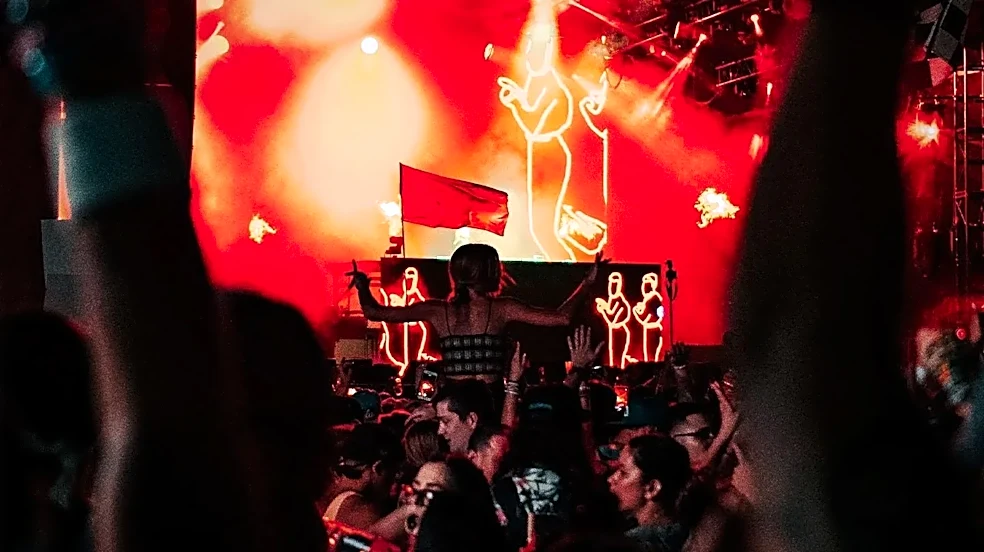
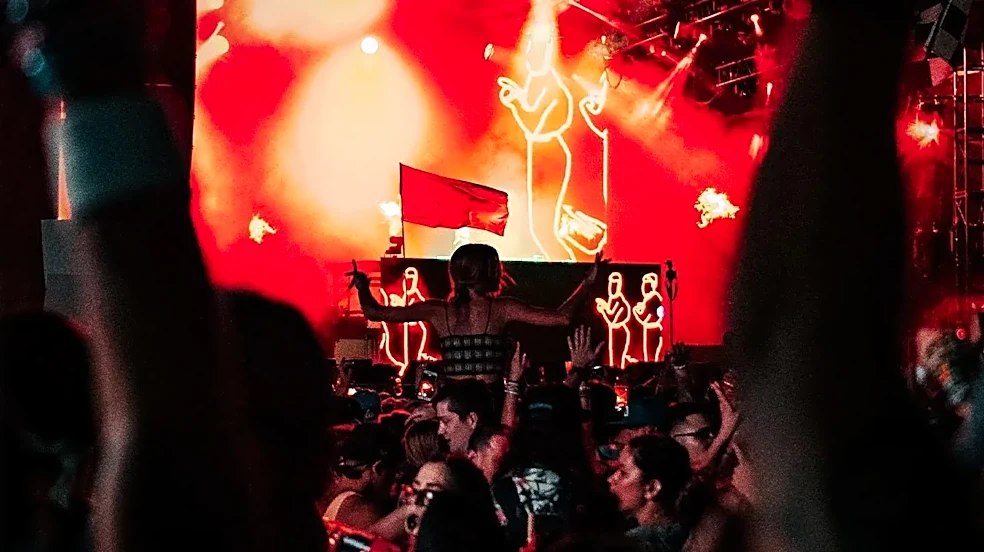
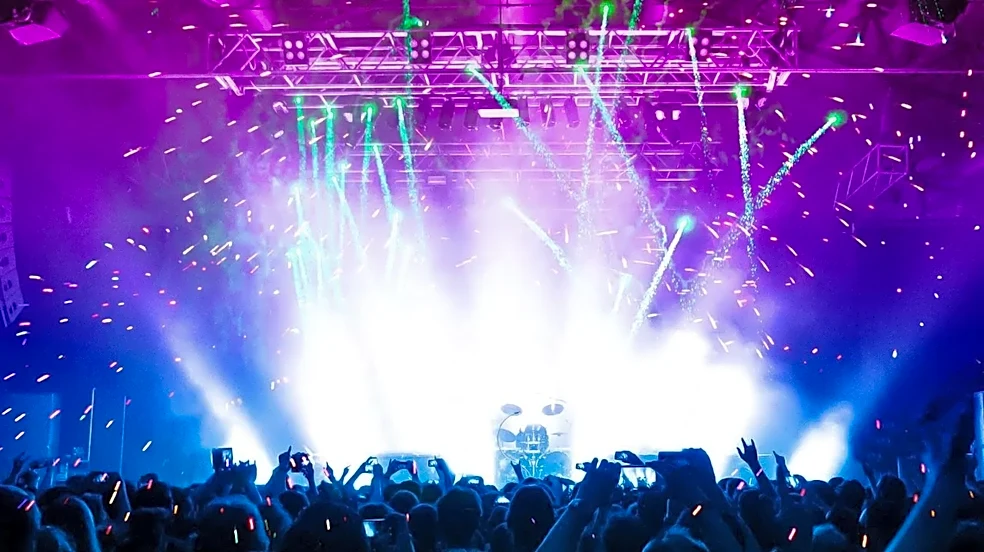
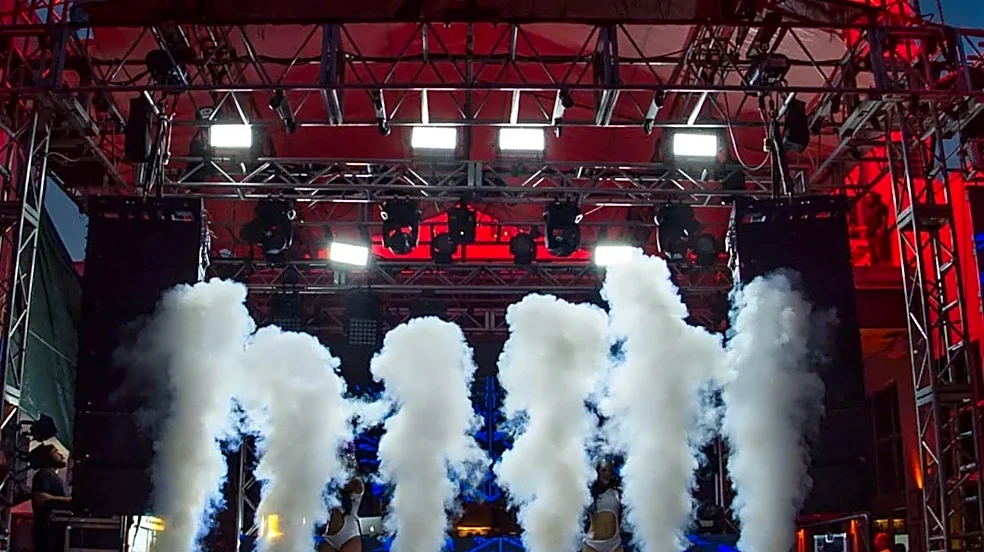
Production choices go far beyond what we hear. For many rap artists, the stage is a canvas for projecting larger-than-life energy. It demands space for movement, for hype men, and for dynamic, often aggressive, visual content on massive LED screens. The focus is on spectacle and creating moments that feel huge and immersive for a crowd of tens of thousands. The staging for Tyler, the Creator's own sets, for example, often involves elaborate, theatrical elements that enhance his storytelling. Conversely, many R&B artists benefit from a production design that fosters intimacy, even in a wide-open field. This might mean bringing the live band forward, using warmer, moodier lighting instead of strobes, and creating a visual atmosphere that feels more like a personal theater than a stadium show. An R&B set that uses a cavernous, empty stage with generic background visuals can make the artist seem small and disconnected. The production needs to shrink the perceived space between the performer and the fan, not expand it.
The Art of Pacing
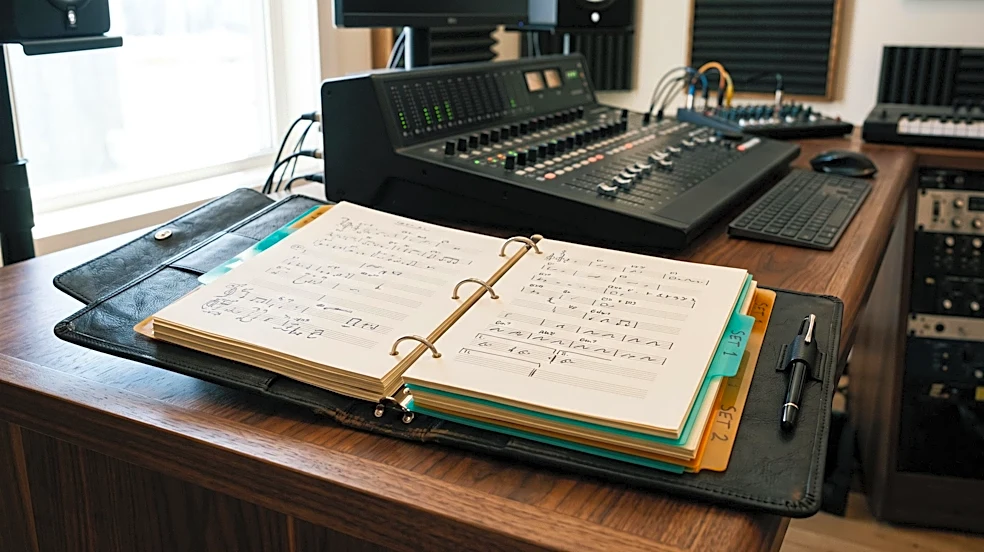
The flow of a set is another critical factor. A successful festival rap performance is often about momentum. It’s a relentless onslaught of hits, high-energy tracks, and call-and-response moments designed to keep the crowd at peak excitement. There are few pauses, and the goal is to sustain an explosive level of energy from start to finish. R&B sets, on the other hand, need to breathe. The emotional arc of the performance depends on dynamics—the transition from a quiet, vulnerable ballad to a more upbeat, soulful anthem. Rushing through songs or cramming them together without a moment for emotional resonance neuters their impact. When a festival schedule forces an R&B artist into a truncated, high-speed format better suited for a DJ, the soul of the music is lost. The audience needs time to absorb the vocal performance and connect with the feeling behind the lyrics, something a rapid-fire approach simply doesn't allow.
Respecting the Craft
Camp Flog Gnaw has become one of music's most celebrated festivals precisely because of its curatorial excellence, bringing together a diverse lineup that spans genres. Tyler, the Creator's taste is the main event. However, curating the artists is only half the battle. To truly honor that curation, the technical production must adapt to the specific needs of each performer. It's not about which genre is better suited for a festival stage, but about acknowledging that they require different tools to succeed. Using a one-size-fits-all approach to sound and staging is a disservice to both the artists, who pour everything into their craft, and the fans, who pay for a world-class experience. The difference between a good festival and a great one lies in this attention to detail—recognizing that the power of a rap set and the intimacy of an R&B performance are not opposing forces, but distinct forms of art that each deserve to be presented at their absolute best.