
It Starts With Your Ears
The first tool used against you is sound, but it’s far more sophisticated than just a loud noise. Universal's creative teams build a unique and detailed "audioscape" for every single scene of a haunted house. This isn’t just a background music loop; it's
a carefully orchestrated symphony of suspense. Designers use everything from infrasound—low-frequency rumbles below the range of human hearing that can create feelings of anxiety and dread—to directional audio that tricks your brain into thinking something is creeping up just behind you. When you walk through a maze, even without actors, the tension is already palpable because the sound design is telling a story, building intensity, and deliberately misdirecting your attention. That sudden silence? It’s just as intentional as the piercing scream that follows, designed to put your brain on high alert.
Follow Your Nose to a Nightmare
Longtime creative directors for the event have openly discussed waging a "multi-sensory assault," and smell is a key weapon in their arsenal. Our sense of smell is powerfully linked to memory and emotion, a fact designers exploit with ruthless efficiency. Special scent-creating vendors provide a horrifying palette of odors, from familiar smells like popcorn to the deeply unsettling stenches of decay, mildew, dirt, or even a slaughterhouse. These smells, sometimes called "smell pods" or distributed through advanced diffusers, work on a primal level. They can create a sense of unease and filth, making a gruesome scene feel viscerally real before you’ve even fully processed what you’re looking at. For a house based on the film Terrifier, designers promised a "wettest, goriest house" with supercharged water effects that look like blood, complemented by what one creative leader called "lots of fun smells."
Feeling the Fear, Literally
The scares you can’t see are often the ones that unnerve you the most. The creative teams at Halloween Horror Nights are masters of manipulating the environment to put you on edge. This includes sudden drops in temperature to simulate a ghostly presence or strategic blasts of compressed air that feel like an unseen creature lunging at you in the dark. While scareactors are not allowed to touch guests, designers use other tricks to simulate physical contact. Thin, hanging threads of material can brush against your face, mimicking the feeling of walking through cobwebs or something far worse. Water effects are also a staple, with drip lines and side-blasting sprays used to create a damp, claustrophobic feeling or to simulate a splash of blood in a gory scene. It’s all part of making the world of the haunt feel alive and hostile, engaging your sense of touch to enhance the psychological distress.
Designing Disorientation
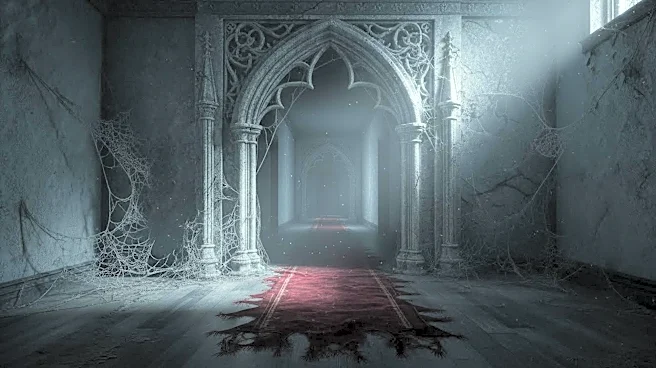
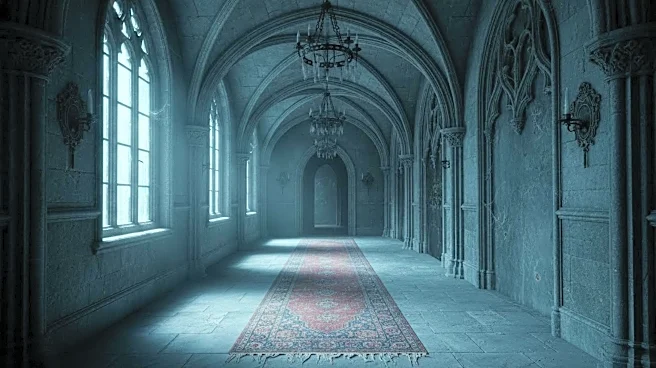
The physical layout of a maze is an exercise in applied anxiety. The very term "maze" is used because the goal is to make guests feel like they never know which way to turn. Corridors are often built to be uncomfortably narrow, forcing you into close proximity with both the scenery and the terrors within. Blind corners are everywhere, ensuring you can never see what’s coming next and maximizing the effectiveness of a jump scare. The designers also play with your sense of safety. They might create a seemingly empty hallway or a less detailed room to give you a moment to breathe, only to have that sense of relief shattered by an intense scare moments later. By controlling your sightlines and movement, they can force you to look exactly where they want you to, building anticipation for a scare from one direction while preparing the real threat from another. It's a carefully choreographed dance where you are an unwilling participant.