



The Core Technology: Film-Forming Polymers
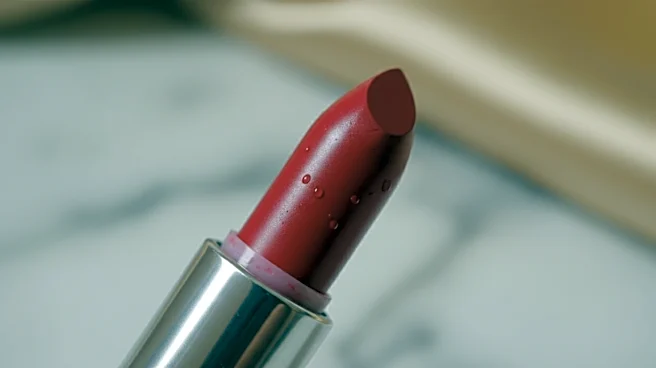
The secret to a lipstick that won’t budge lies in ingredients called film-forming polymers. Think of them as the architectural backbone of the product. When a liquid lipstick is applied, it contains volatile, or quick-to-evaporate, liquids like isododecane.
As these liquids disappear, the polymers link together, creating a flexible, mesh-like film on your lips. This film acts like a seal, locking the pigment in place and creating a barrier that resists moisture, friction, and oil. The result is a layer of color that's anchored to your lips, not waiting to transfer to your coffee cup.
The Key Ingredients to Look For
When you scan the ingredients list, a few key players signal serious staying power. Silicone derivatives like dimethicone and cyclopentasiloxane are crucial; they provide a smooth, silky application and create a flexible, water-resistant film. Another hero ingredient is trimethylsiloxysilicate (TMS), a silicone resin that creates an exceptionally durable, heat- and humidity-resistant layer. You'll also find acrylates copolymers, which help form that strong but flexible film. Waxes such as candelilla are often included in smaller amounts to provide structure and a smooth feel without compromising the long-wear formula.
Why Matte Finishes Reign Supreme
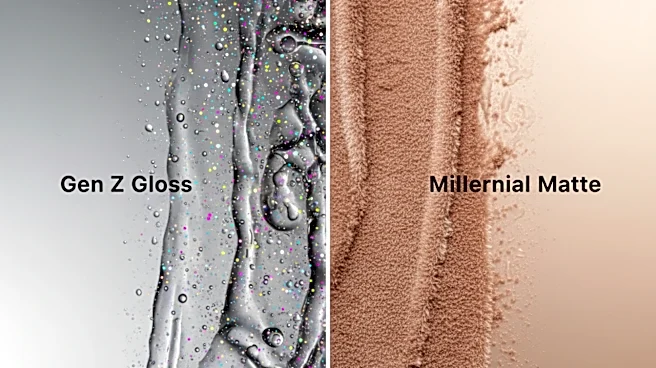
There's a reason most transfer-resistant lipsticks have a matte finish. Traditional glossy or satin lipsticks contain higher levels of non-volatile oils and emollients, which keep the lips feeling moisturized but also allow the product to slip and slide. Long-wear matte formulas, by contrast, minimize these oils. When the volatile solvents evaporate, they leave behind a higher concentration of pigment and film-formers, resulting in that shine-free, locked-in finish. While some gloss can be layered on top, it will compromise the transfer-proof quality, though the color underneath should remain set.
Application Is Just as Important as Formulation
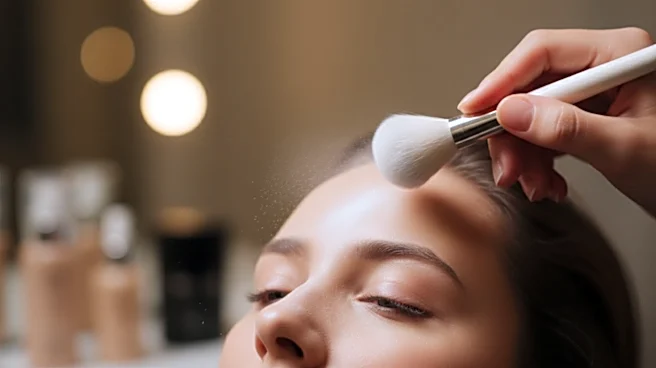
Even the best formula can fail without proper application. Celebrity makeup artists know that prep is non-negotiable. Start by exfoliating your lips to create a smooth surface; transfer-proof formulas will cling to and accentuate any dry patches. Apply a light, quick-absorbing lip balm and blot off any excess before applying color—too much moisture can prevent the film-formers from properly bonding to your lips. Apply the lipstick in a thin, even layer and, most importantly, allow it 30 to 90 seconds to set completely without touching your lips together. This gives the solvents time to evaporate and the polymer film to form correctly.
The Inevitable Downside: Dryness and Removal
The very technology that makes these lipsticks last can also make them feel drying, as the occlusive film can trap moisture in but doesn't allow any more to enter. Some formulas now include hydrating ingredients like hyaluronic acid or vitamin E to counteract this, but the effect is a common trade-off for longevity. When it's time to take it off, don't scrub. The powerful bond that makes the lipstick transfer-proof also makes it resistant to simple soap and water. An oil-based makeup remover or cleansing balm is essential. Let the oil sit on your lips for about a minute to dissolve the polymer film before gently wiping it away.