



The Return of the Power Shoulder
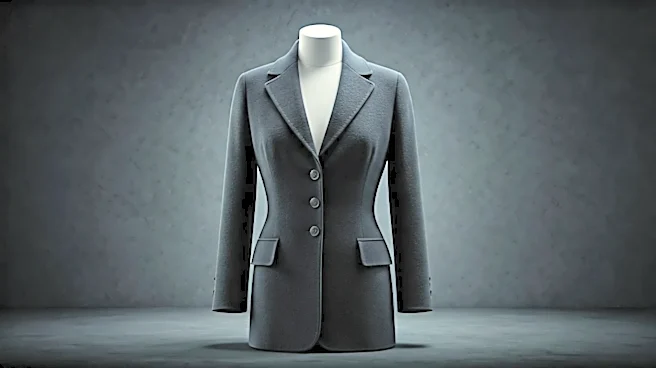
If you thought the 1980s had the last word on power dressing, think again. The strong shoulder is back, but with a modern, architectural twist. On the Fall 2026 runways, houses like Schiaparelli have been championing tailored jackets with exaggerated,
sharp shoulders. This isn't just about adding a foam pad for nostalgic effect; it's a deliberate choice to build a new, assertive frame for the body. The new power shoulder is less about corporate raiding and more about creating a striking, confident shape that commands attention. By extending the shoulder line, designers automatically cinch the waist in comparison, creating an instant hourglass effect that feels both powerful and elegant. It’s a clear signal that fashion is moving away from the soft, sloping shoulders that dominated the last decade and embracing a more defined and structured upper body.
The Rise of Ballooning Volume
On the more romantic end of the spectrum is the spectacular return of the voluminous sleeve. We’re seeing modern interpretations of historical styles like the balloon sleeve and the bishop sleeve, which gathers a dramatic puff of fabric into a tight cuff. Recent couture collections have been full of these grand, airy gestures. This trend is a direct reaction to years of minimalist, body-hugging silhouettes. A voluminous sleeve is pure, unapologetic drama. It takes up space. It creates a soft, rounded shape around the arm that feels both poetic and powerful. Designers are using this volume to play with proportion, often pairing a massive sleeve with a delicate neckline or a sharply tailored waist to create a sense of dynamic contrast. It suggests a collective desire for more romance, fantasy, and artistic expression in our wardrobes.
The Elongated, Fluid Line
Not all new silhouettes are about sharp angles or massive volume. A quieter, but equally significant, shift is happening with the elongated, fluid sleeve. Houses like Chanel have been exploring a gradual softening of their iconic silhouette, featuring knit dresses and relaxed coats with sleeves that drape and flow. This style doesn’t shout for attention but instead creates a sense of graceful movement. The emphasis is on luxurious fabric and a cut that follows the body's motion, creating a long, unbroken line from shoulder to wrist. This approach alters the silhouette by suggesting ease and understated elegance. It’s a move away from restrictive tailoring and toward a more comfortable, lived-in form of luxury. This trend proves that a silhouette shift doesn't always have to be about radical new shapes; sometimes, it's about perfecting the beauty of a simple, elegant line.
The Architectural Experiment
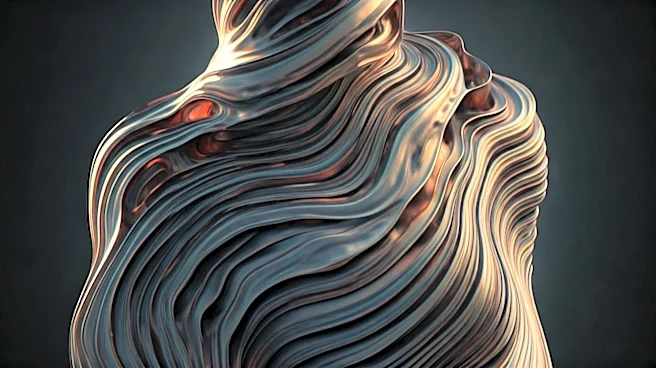
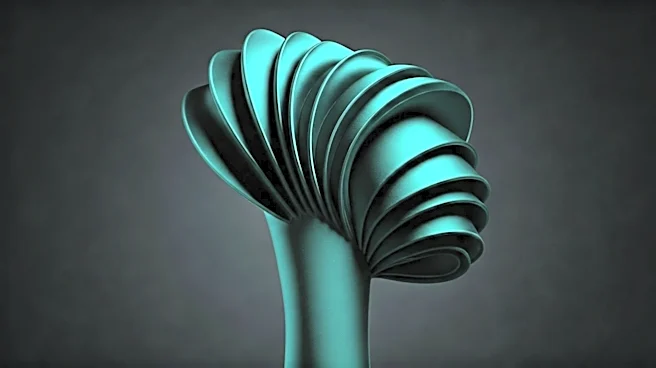
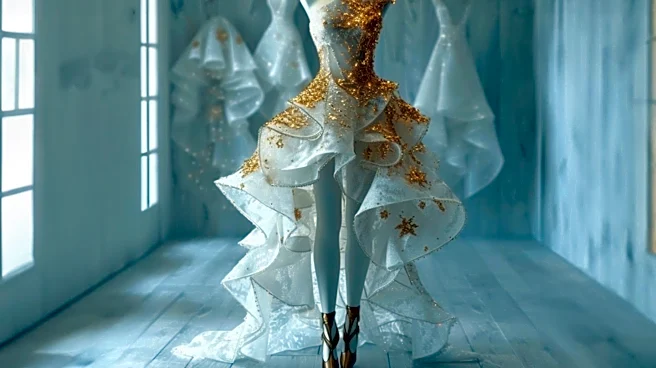
Perhaps the most forward-looking trend is the rise of the truly architectural sleeve. This is where the arm becomes a canvas for pure sculpture. Designers like Iris Van Herpen and emerging talents like Standing Ground are using innovative materials and 3D-printing techniques to create sleeves that defy traditional construction. These aren't just clothes; they are wearable art. These sculptural forms—whether they spiral around the arm or jut out in geometric angles—represent the cutting edge of the silhouette cycle. They challenge our very idea of what a sleeve can be. While you might not see these avant-garde creations at the office, they are crucial indicators of where fashion is heading. They push the boundaries of possibility and inspire the more wearable trends that eventually trickle down, signaling a future where clothing is more expressive, artistic, and structurally daring.